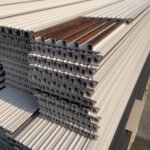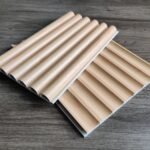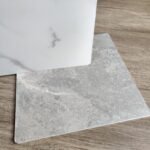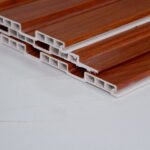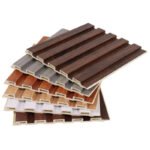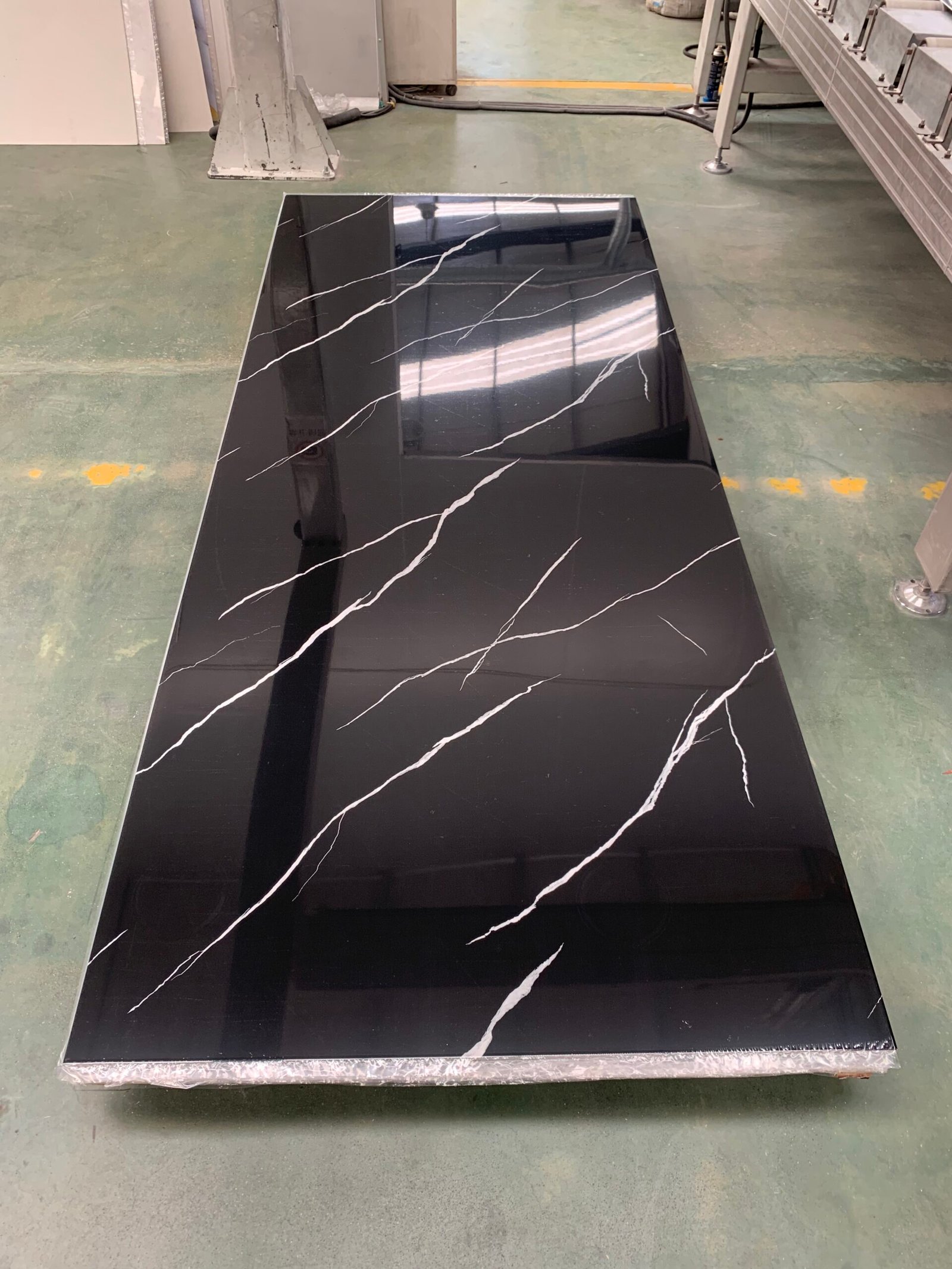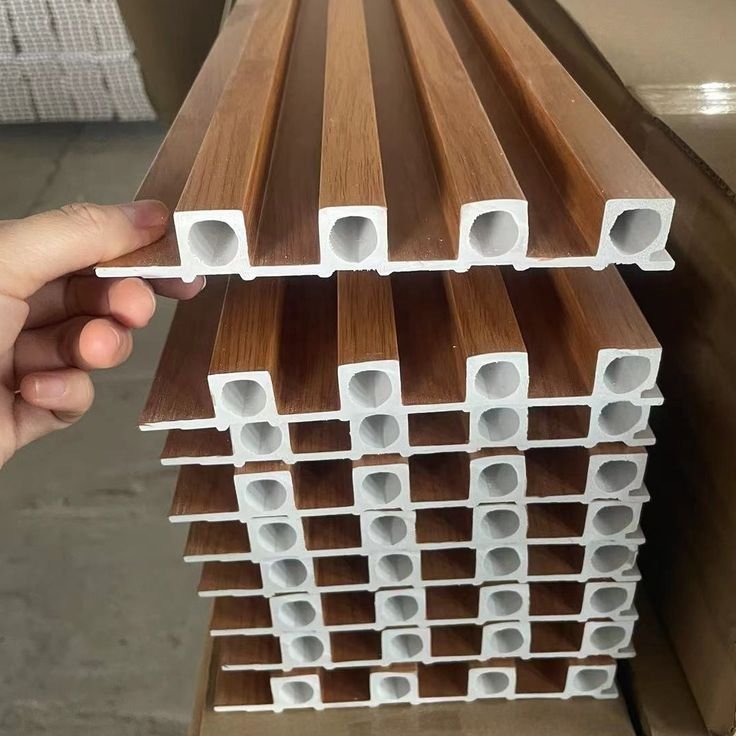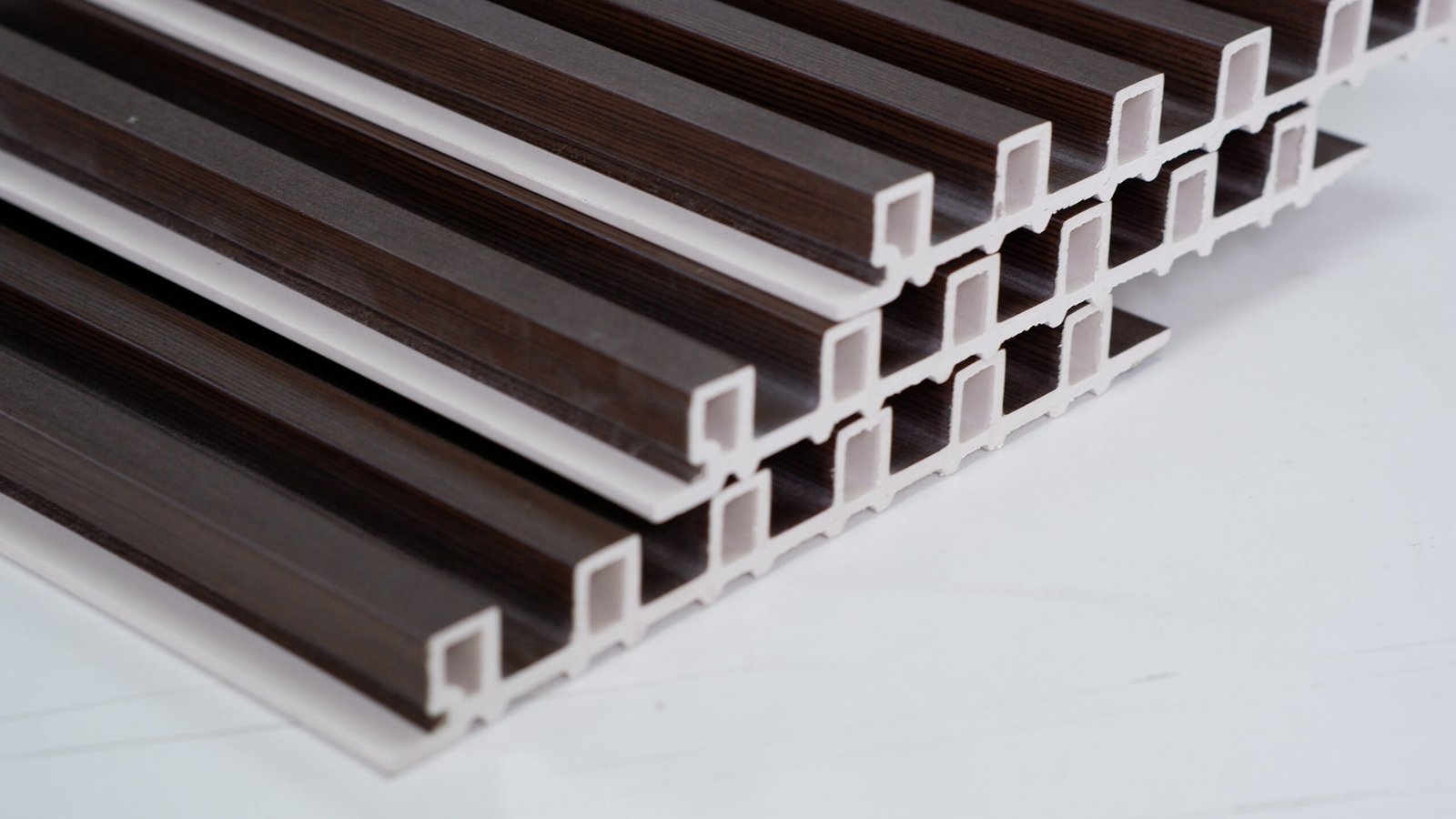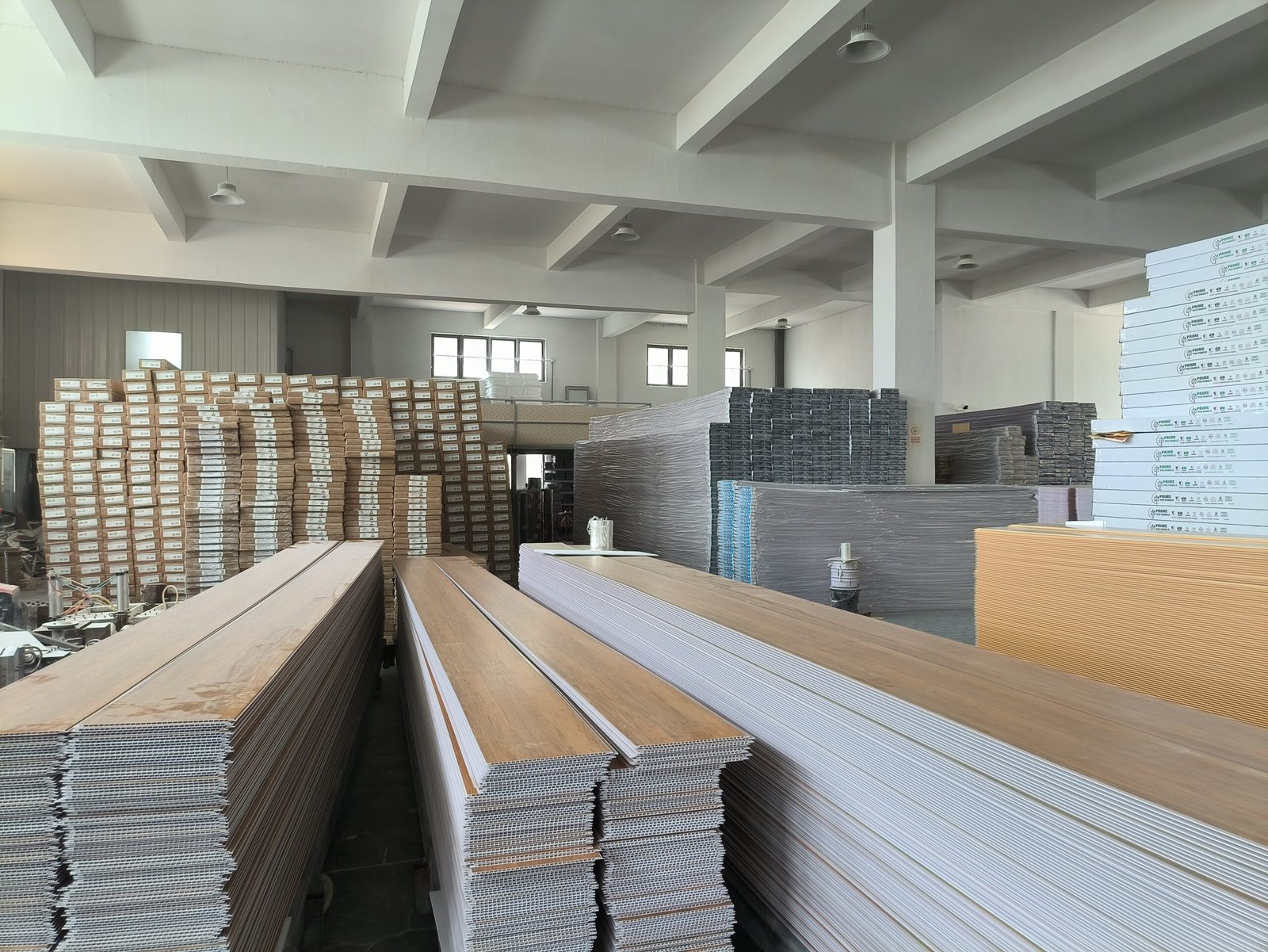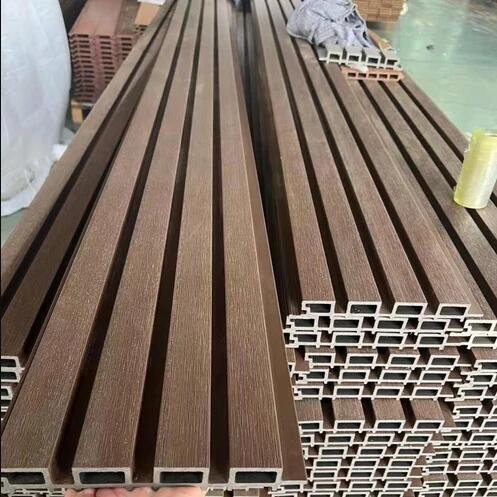
In today’s architecture and design industries, decorative wpc wall panel solutions are revolutionizing how we approach construction and decoration. These innovative wood plastic composite materials represent the perfect synergy between natural aesthetics and modern engineering. As sustainable building practices gain global importance, decorative wpc wall panel have emerged as the premier choice for architects, designers, and environmentally conscious homeowners. The remarkable growth of the decorative wpc wall panel market reflects this trend, with projections indicating continued expansion as more professionals discover the unparalleled benefits of these advanced composite materials.
What Exactly Are decorative wpc wall panel?
Decorative wpc wall panel products are engineered composite materials that combine wood fibers or flour with thermoplastics to create superior building materials. These advanced decorative wpc wall panel typically contain 30-70% recycled wood content and 30-70% polymer materials, creating a sustainable alternative to traditional wood products. The unique composition of WPC panel wood allows it to maintain the visual warmth and natural appearance of wood while eliminating many of wood’s inherent limitations.
Unlike conventional timber, decorative wpc wall panel are manufactured through extrusion and molding processes that enhance their structural integrity and performance characteristics. This manufacturing approach enables decorative wpc wall panel products to achieve consistent quality, uniform appearance, and reliable performance across all production batches. The result is a building material that outperforms natural wood in virtually every measurable aspect while maintaining its aesthetic appeal.
The Manufacturing Process of decorative wpc wall panel Products
Raw Material Selection and Preparation
Crafting premium wood-plastic composite panels commences with a meticulous curation of raw materials. Wood components for decorative wpc wall panel typically come from sustainable sources, including wood processing byproducts and recycled wood waste. These materials undergo rigorous processing including grinding, screening, and drying to achieve optimal consistency and quality. The plastic components in decorative wpc wall panel composite panels often come from post-consumer and post-industrial recycled materials, contributing to the circular economy while reducing environmental impact.
Advanced Compounding Technology
The manufacturing process for decorative wpc wall panel involves sophisticated compounding technology where wood and plastic materials are blended with specialized additives. These additives include coupling agents that create molecular bonds between the organic wood fibers and synthetic polymer matrices. This crucial step ensures that decorative wpc wall panel achieve their renowned durability and structural integrity. Additional components such as UV stabilizers, colorants, and lubricants are incorporated to enhance the performance and appearance of the final WPC panel wood products.
Precision Extrusion and Forming
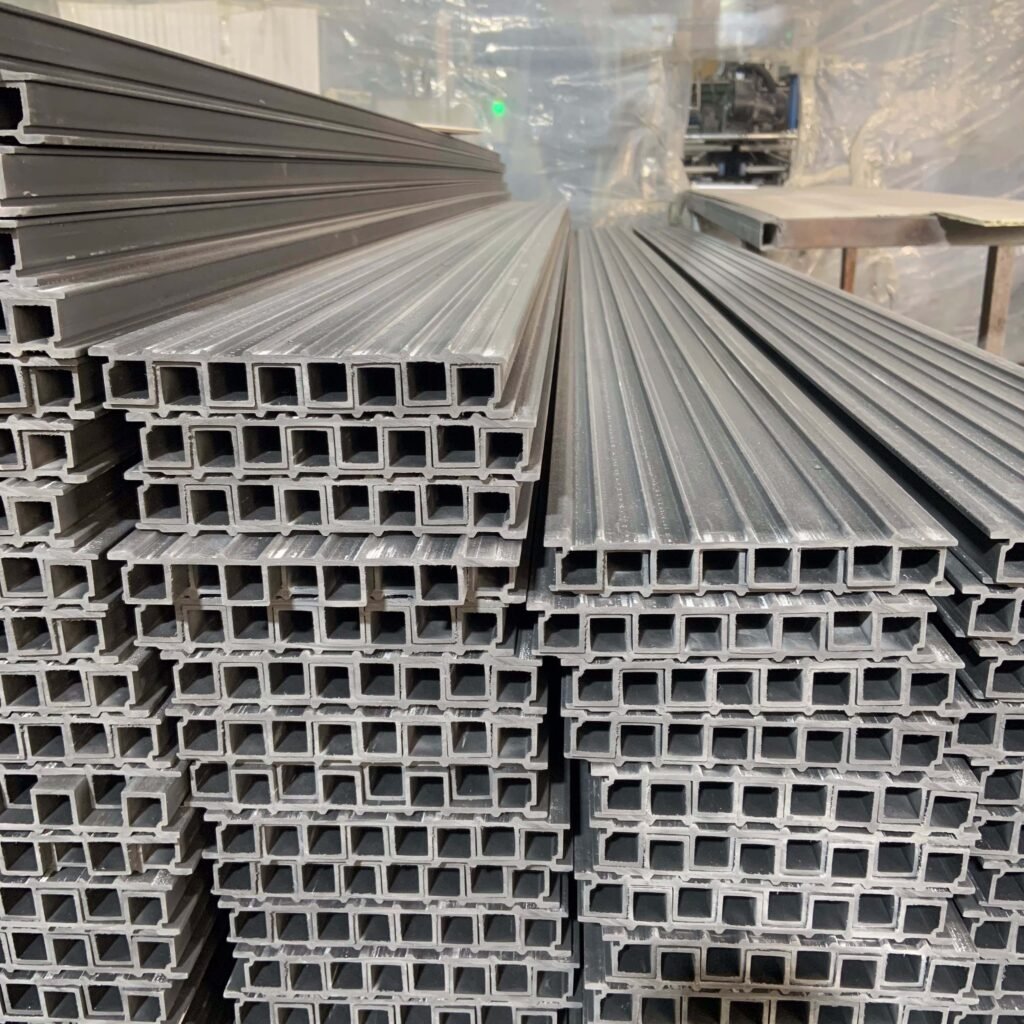
State-of-the-art extrusion technology transforms the compounded decorative wpc wall panel material into finished panels with precise dimensions and consistent properties. During this phase, decorative wpc wall panel products take their final form through carefully calibrated dies that determine the profile and surface characteristics. Modern manufacturing facilities employ computer-controlled systems to maintain exacting standards throughout the production of WPC wood panels, ensuring every batch meets strict quality requirements.
Superior Properties of decorative wpc wall panel
Exceptional Durability and Longevity
decorative wpc wall panel products demonstrate remarkable resistance to environmental factors that typically degrade natural wood. These WPC wood panels are impervious to moisture damage, resisting warping, cracking, and rotting that plague conventional timber products. The composition of WPC wood plastic composite materials ensures they remain stable under extreme temperature variations and humidity conditions, making them ideal for diverse climates and applications.
Minimal Maintenance Requirements
One of the most significant advantages of WPC panel wood is its incredibly low maintenance needs. Unlike natural wood that requires regular staining, sealing, and treatment, WPC wood panels maintain their appearance and performance with simple cleaning. This characteristic makes WPC wood plastic composite panels particularly valuable for applications where accessibility and maintenance costs are concerns, such as exterior cladding, decking, and public spaces.
Environmental Sustainability Credentials
WPC panel wood products represent a substantial advancement in sustainable building materials. By utilizing recycled wood and plastic components, WPC wood panels reduce pressure on natural forests and minimize plastic waste. The longevity of WPC wood plastic composite materials further enhances their environmental profile, as their extended service life reduces replacement frequency and associated resource consumption.
Diverse Applications of decorative wpc wall panel Products
Exterior Decking and Flooring Solutions
decorative wpc wall panel has revolutionized outdoor living spaces through high-performance decking applications. These WPC wood panels provide slip-resistant surfaces that remain comfortable underfoot in various weather conditions. The consistent quality of WPC wood plastic composite materials ensures uniform appearance and performance across large areas, enabling designers to create seamless outdoor environments that maintain their beauty for decades.
Architectural Cladding and Facades
Modern architecture increasingly utilizes decorative wpc wall panel for exterior cladding systems that combine aesthetic appeal with functional performance. WPC wood panels empower architects with unparalleled design flexibility while delivering superior thermal efficiency and robust weather resistance. The versatility of WPC wood plastic composite materials allows for innovative designs that would be challenging or impossible with traditional wood products.
Interior Design Applications
The interior design community has embraced decorative wpc wall panel for various applications including feature walls, ceiling systems, and partition solutions. WPC wood panels bring natural warmth to interior spaces while offering practical benefits such as moisture resistance and easy maintenance. The design flexibility of WPC wood plastic composite materials enables custom solutions that meet specific aesthetic and functional requirements.
Comparative Analysis: decorative wpc wall panel vs Traditional Materials
Performance Advantages Over Natural Wood
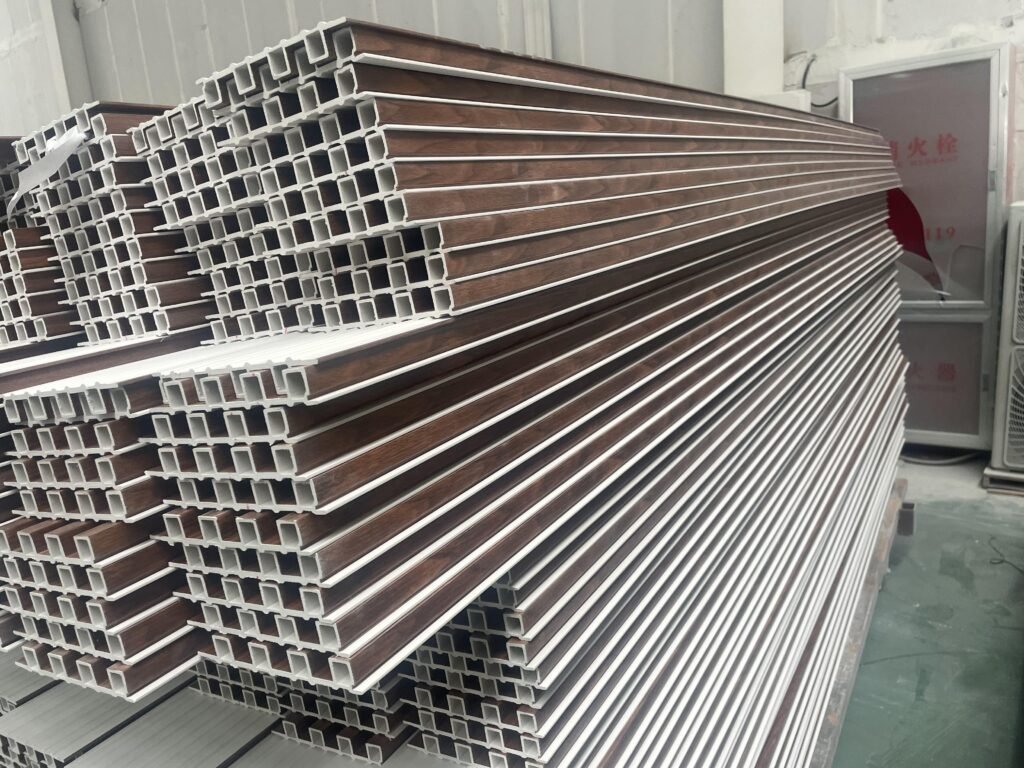
WPC composite panels demonstrate superior performance across key metrics when compared to natural wood. Unlike conventional timber—which is prone to dimensional variation, biological deterioration, and quality inconsistencies—WPC panels ensure consistent reliability and predictable long-term behavior.The engineered nature of decorative wpc wall panel composite materials ensures uniform properties throughout each panel, eliminating the uncertainties associated with natural wood.
Economic Benefits Throughout Lifecycle
Although the initial cost of WPC panel wood may exceed that of some conventional materials, the long-term economic advantages are substantial. The exceptional durability and minimal maintenance requirements of WPC wood panels significantly reduce lifecycle costs, making them economically superior over extended periods. Additionally, the installation efficiency of WPC wood plastic composite products often translates to labor savings during construction.
Technical Considerations for decorative wpc wall panel Selection
Quality Assessment Parameters
When evaluating WPC panel wood products, several technical parameters demand attention. Density measurements provide insight into the structural integrity of WPC wood panels, while wood fiber content influences both appearance and performance characteristics. Advanced testing methodologies assess crucial properties such as flexural strength, impact resistance, and thermal expansion behavior of WPC wood plastic composite materials.
Surface Characteristics and Finishes
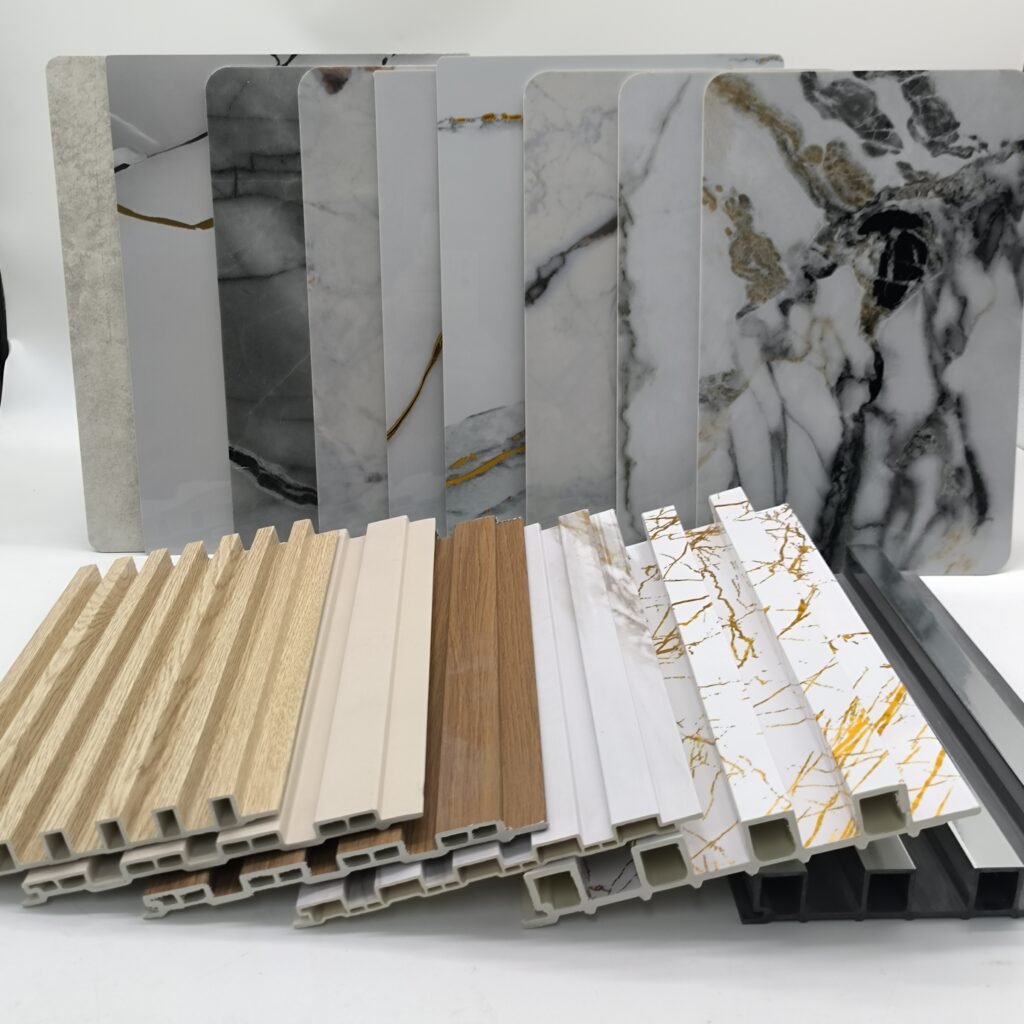
The aesthetic qualities of WPC panel wood vary significantly across product lines. Modern manufacturing techniques enable sophisticated surface textures that closely mimic various wood species. The finishing options for decorative wpc wall panel range from uniform monochromatic surfaces to realistic wood grain patterns achieved through co-extrusion and embossing technologies.
Installation Best Practices for WPC Wood Panels
Professional Installation Guidelines
Proper installation is crucial for maximizing the performance of WPC panel wood products. Manufacturers provide detailed guidelines for substrate preparation, fastening systems, and expansion management. Following these recommendations ensures that WPC wood panels perform as intended and maintain their aesthetic qualities over time. Professional installers familiar with WPC wood plastic composite materials can achieve optimal results while avoiding common installation errors.
Maintenance Protocols for Long-Term Performance
While WPC panel wood requires minimal maintenance, appropriate care extends its service life and preserves its appearance. Regular cleaning prevents accumulation of debris and contaminants that could affect the surface characteristics of WPC wood panels. Following manufacturer-recommended maintenance procedures ensures that decorative wpc wall panel composite products continue to perform optimally throughout their service life.
Future Innovations in WPC Panel Wood Technology
Material Science Advancements
Ongoing research and development in WPC panel wood technology focuses on enhancing material properties and expanding application possibilities. Innovations in polymer chemistry and wood fiber treatment are producing WPC wood panels with improved mechanical properties and environmental resistance. These advancements will further establish WPC wood plastic composite materials as premium building products for demanding applications.
Sustainability Enhancements
The environmental profile of decorative wpc wall panel continues to improve through technological innovations. Developments in bio-based polymers and advanced recycling processes are reducing the environmental impact of WPC wood panels while maintaining performance standards. The future of WPC wood plastic composite materials includes closed-loop recycling systems that will further enhance their sustainability credentials.
Conclusion: The Transformative Impact of WPC Panel Wood
WPC wood plastic composite panels represent a fundamental shift in how we approach building materials. By combining the best qualities of wood and plastic, WPC panel wood products deliver unprecedented performance while addressing environmental concerns. The continued evolution of WPC wood panel technology promises even greater achievements in sustainable construction and design.
As the building industry increasingly prioritizes sustainability, durability, and lifecycle value, decorative wpc wall panel stands poised to become the material of choice for forward-thinking professionals. The demonstrated benefits of decorative wpc wall panel materials across diverse applications confirm their status as not just an alternative to traditional materials, but as a superior solution for modern building challenges.
The adoption of WPC panel wood reflects a broader movement toward intelligent material selection that considers long-term performance, environmental impact, and aesthetic quality. As technology advances and manufacturing processes improve, WPC wood panels will continue to set new standards for what building materials can achieve, ultimately transforming our built environment in sustainable and beautiful ways.
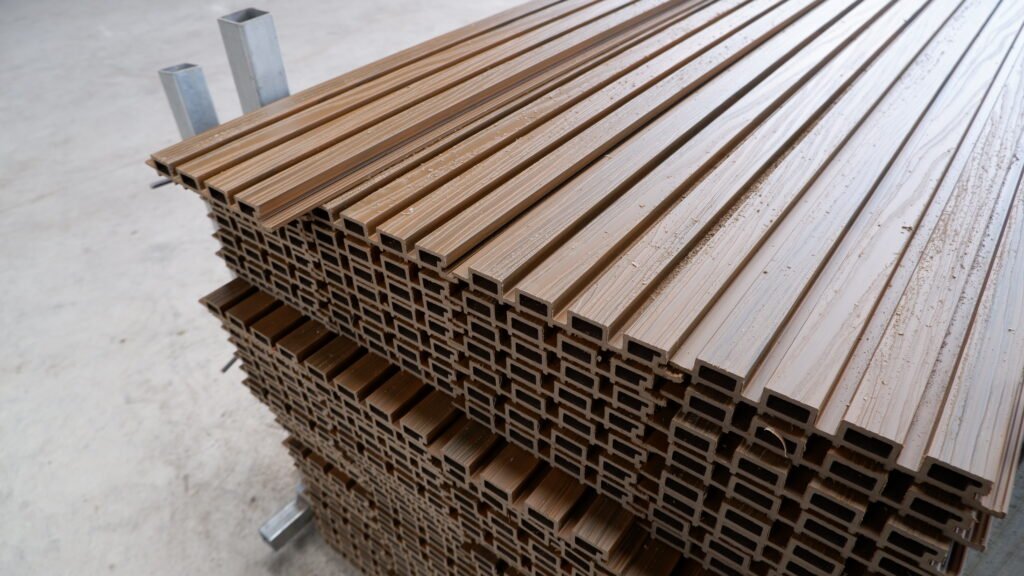
WPC Fluted Panel
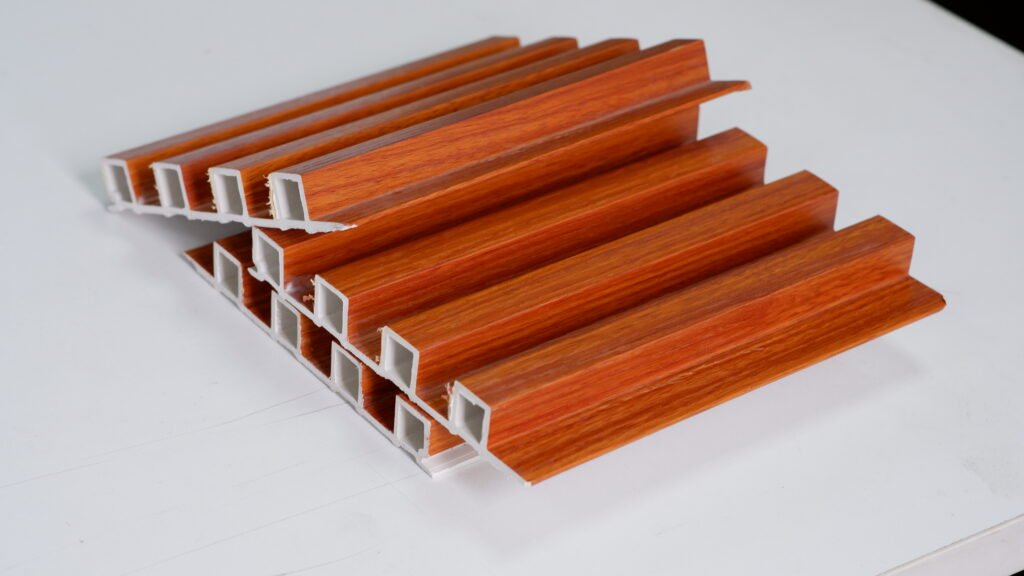
4in1 Indoor Fluted Panel
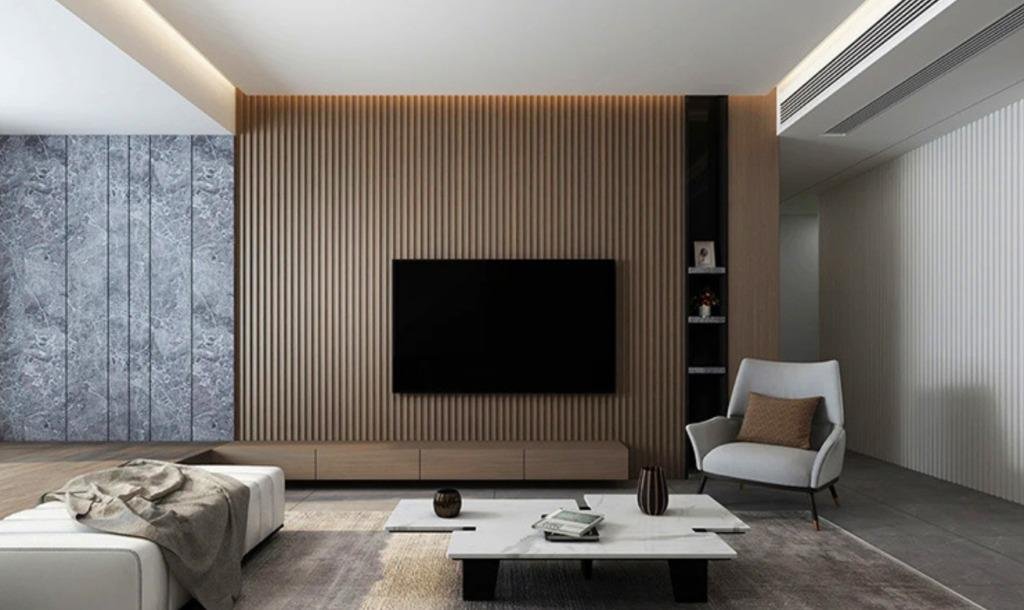
wpc interior wall panel
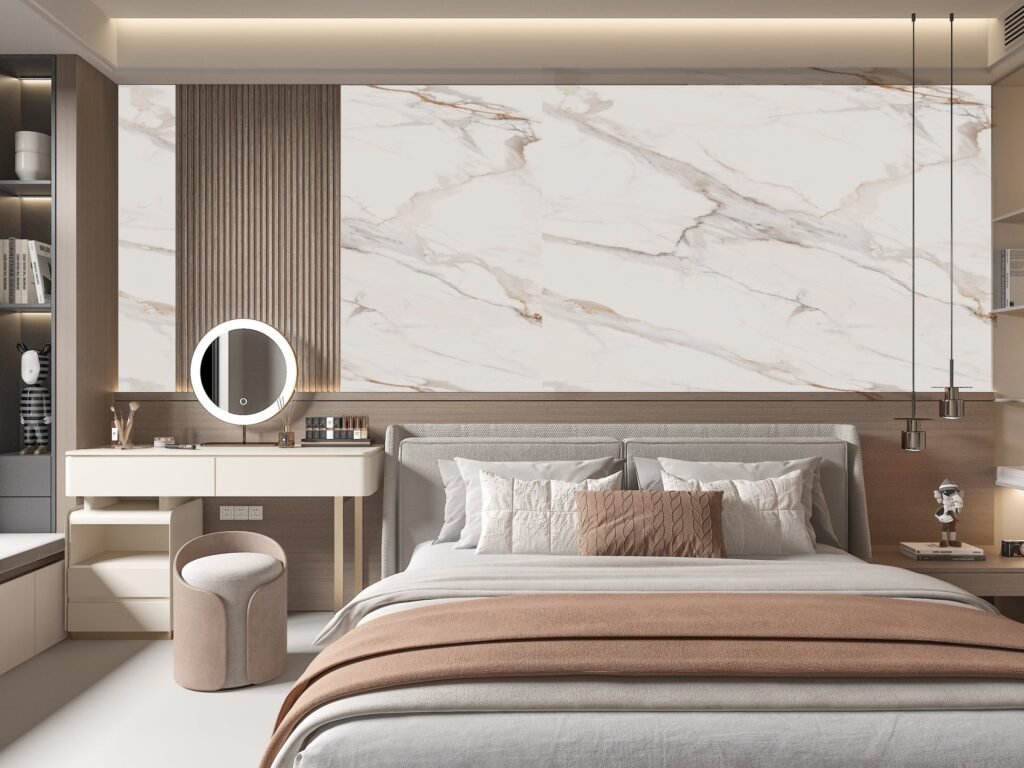
UV marble sheet factory
WPC wall panel factory


 903 Yuntong Building, 3285 Shengxin Road, Shanghai, China