
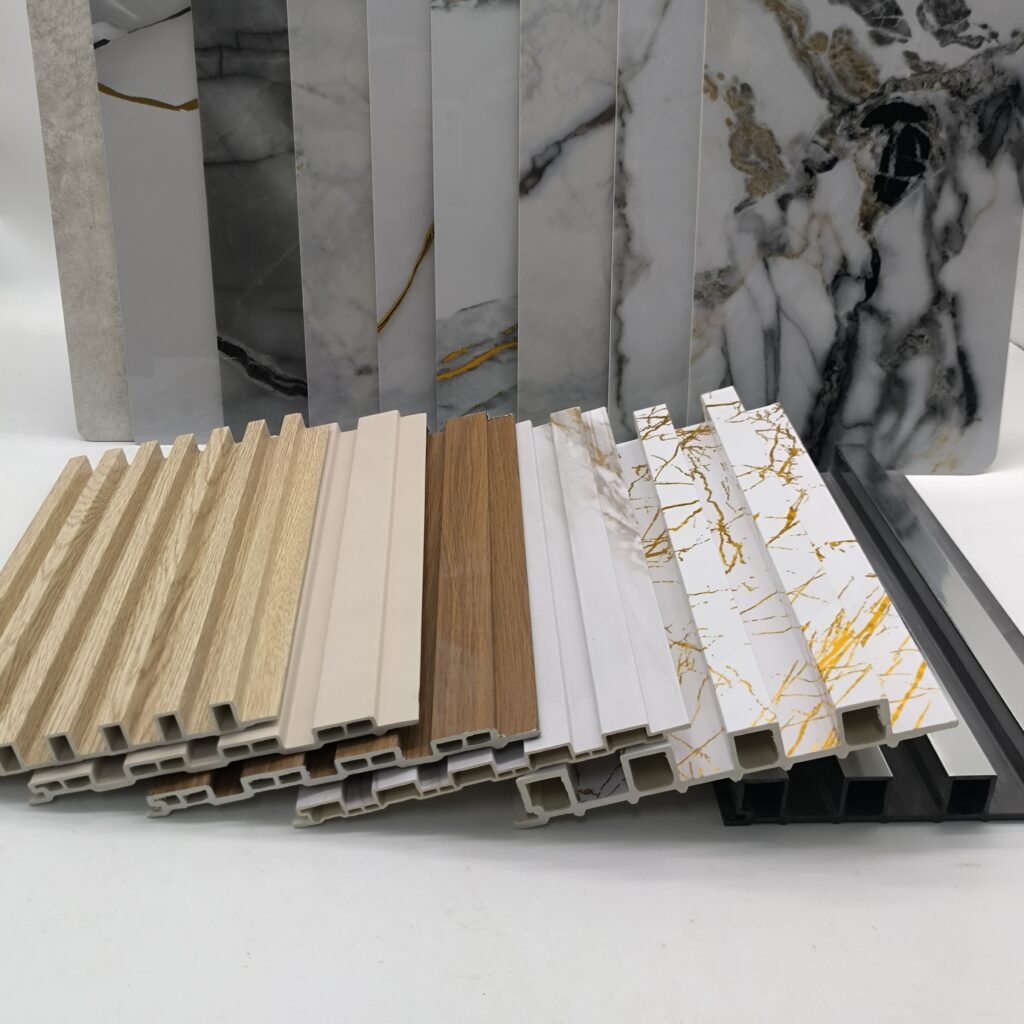
WPC Wall Sheet Wholesale
Factory-Direct Supplier with 20 Years of Co-Extrusion Experience
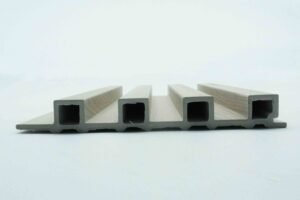
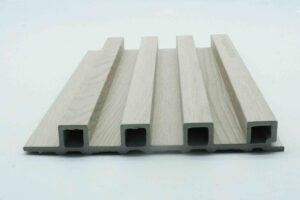
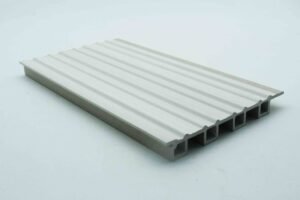
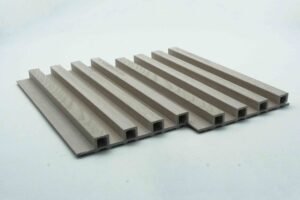
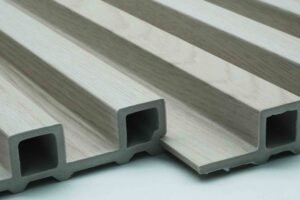
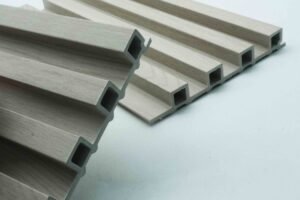
WPC Wall Sheet Wholesale
Specifications
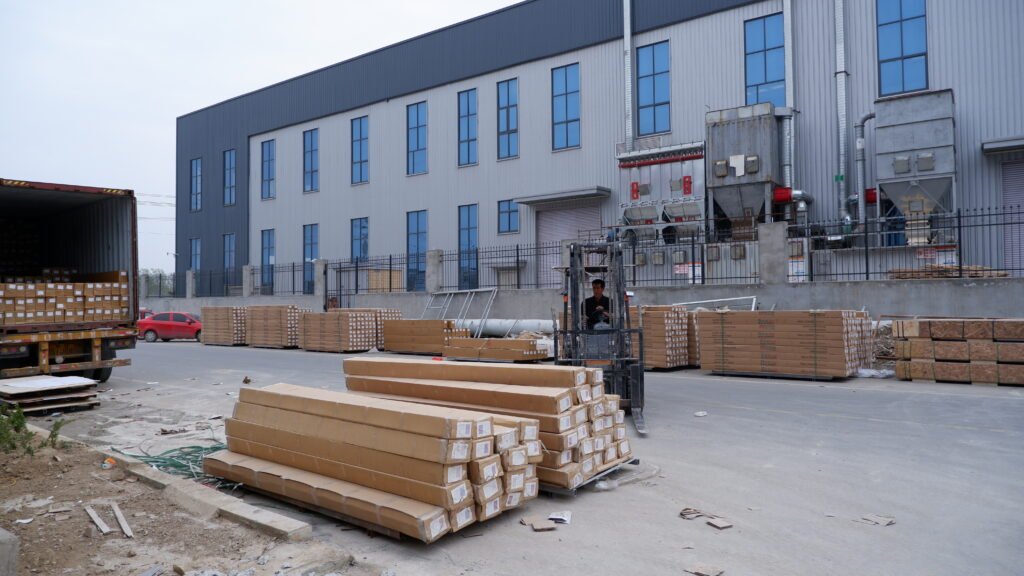
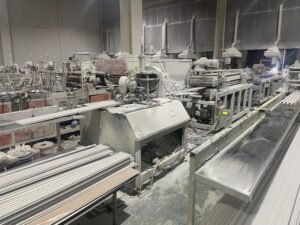
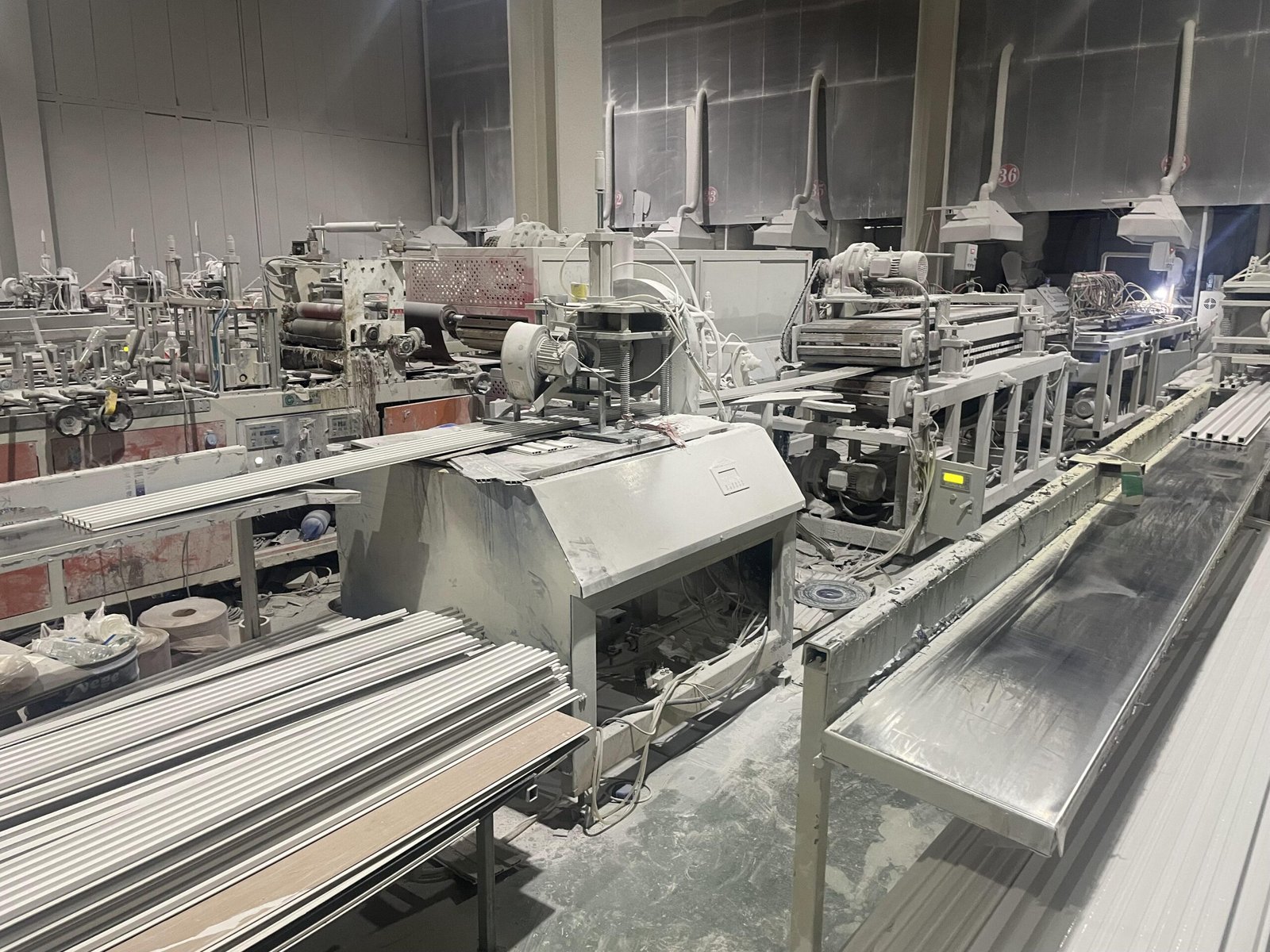
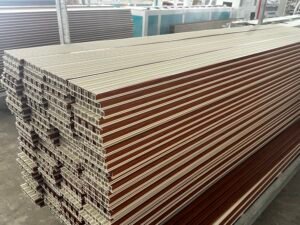
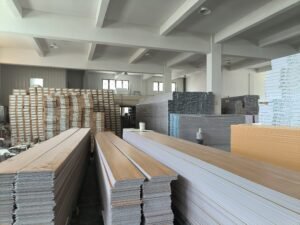
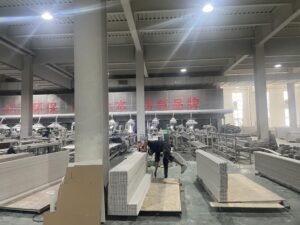
We run two dedicated factories — one in Jiangsu specialized in interior WPC Wall Sheet , one in Zhejiang specialized in exterior WPC cladding with full co-extrusion technology. We supply roughly 30 containers of interior grille panels every month to U.S. distributors and around 3 containers per month to UAE projects, plus regular shipments across Canada, Mexico, Australia, New Zealand, the EU, Peru, Colombia, Ecuador, and Chile.
- Wood flour — typically 35% to 80% of the composition
- Polymer base — usually PVC, PE, or PP
- Functional additives — UV stabilizers, flame retardants, pigments, and coupling agents
But if you’re buying by the container, what you really need to understand is the filling ratio, because it changes the price, the look, and the application range of the product:
The higher the wood content, the more the panel looks and feels like real wood — and the higher the price.
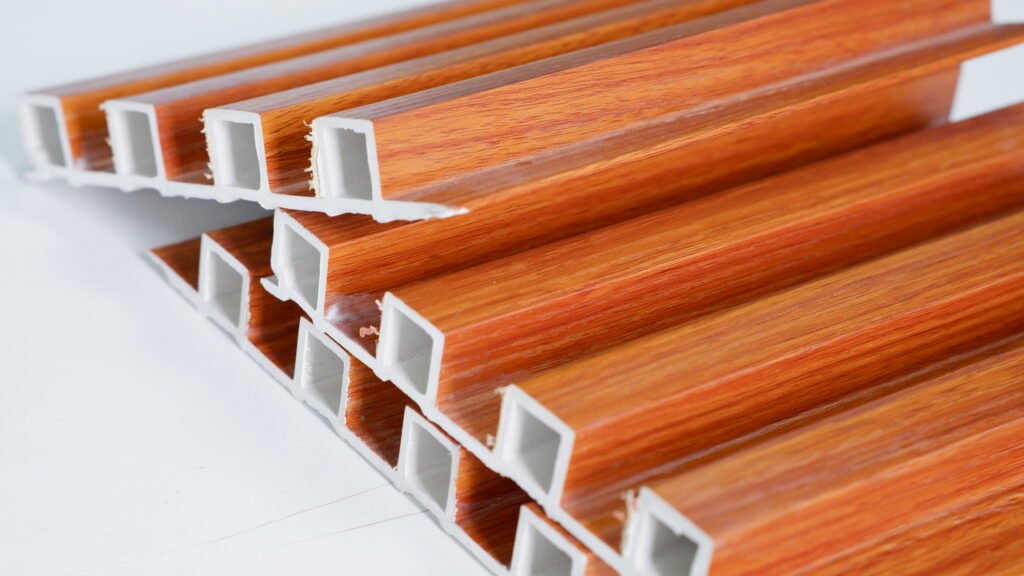
This is one of the first questions we ask a new buyer: what filling ratio is your client expecting? Without that answer, any quote you receive from any supplier is essentially a guess.
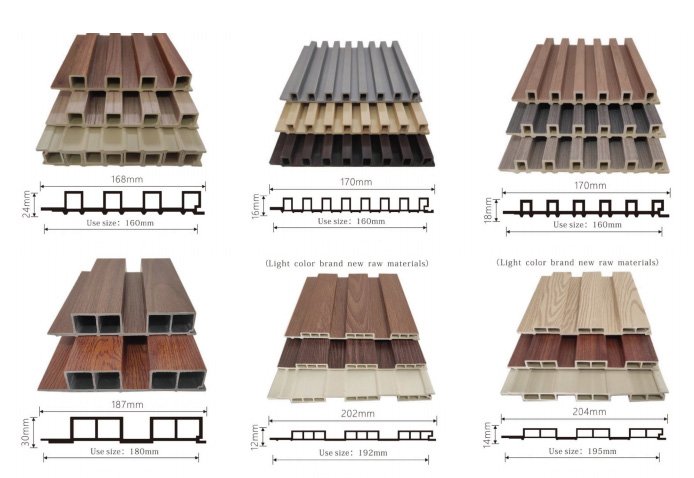
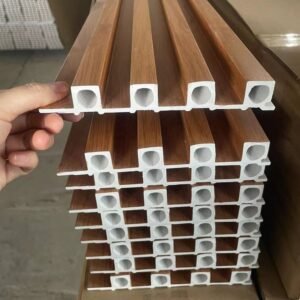
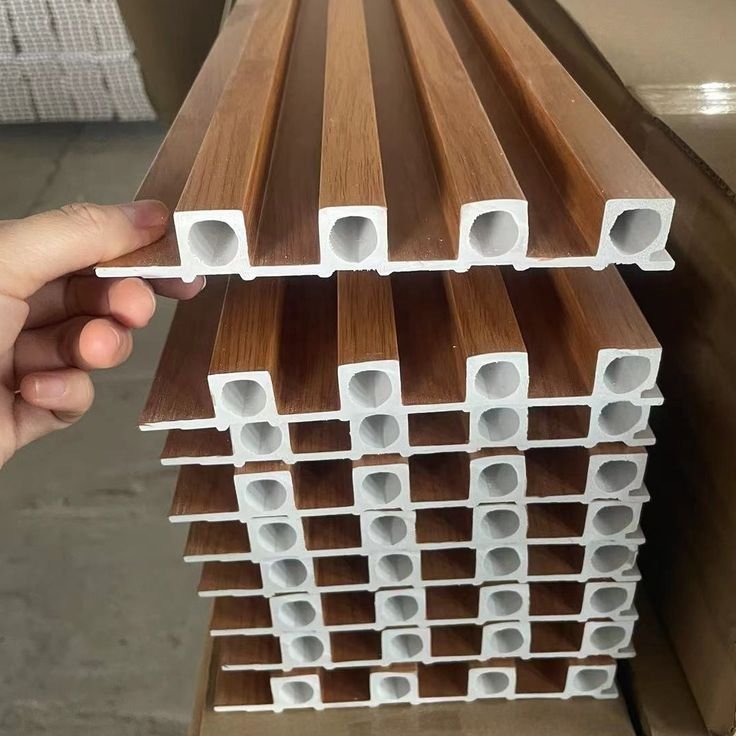
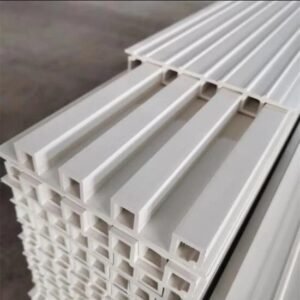
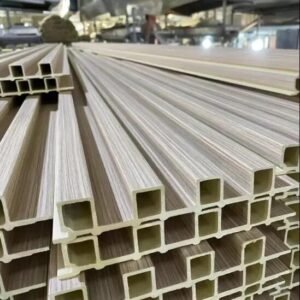
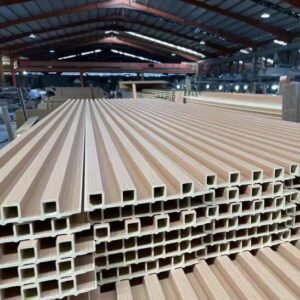
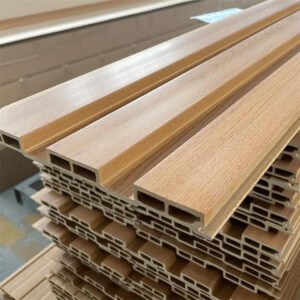
The other thing worth knowing before you compare quotes: WPC wall sheet usually comes in grille (slat) form, which is assembled side-by-side during installation. That means the effective coverage area is smaller than the raw panel width — typically 15-20% less depending on the profile. A lot of first-time buyers calculate square meterage based on raw dimensions and end up short on material. Always ask your supplier for the installed coverage rate, not the nominal one.
| Category | Wood Filling Ratio | What It Means for Your Project |
| Low-filled WPC | Below 30% | Plastic-dominant, lower cost, less natural texture |
| Mid-filled WPC | 30%–70% | Balanced cost and wood-like appearance — the most common spec for wholesale |
| High-filled WPC | Above 70% | Closest to real timber feel, premium pricing, common in luxury interior projects |
The Core Properties That Matter for WPC Wall Sheet Bulk Orders
We won’t list every spec sheet bullet here — your engineering team can read those in the technical PDF. What we’ll point out are the five properties that most often come up in claim disputes when buyers source from the wrong factory:
- Weather and moisture resistance. Properly compounded WPC wall sheet should be waterproof, mold-resistant, and stable in bathrooms, balconies, pool surrounds, and humid coastal climates. If you’re shipping to Florida, the Gulf region, or Southeast Asian markets, this is non-negotiable.
- Dimensional stability. Quality panels do not swell, crack, or fade under UV exposure. Operating range should hold steady from -30°C to +60°C. Cheap WPC fails here first — usually within 8-14 months of installation in direct sun.
- Fire performance. Our WPC Wall Sheet reach B1 fire rating — self-extinguishing on flame removal, with no toxic gas emission. For commercial projects in North America, EU, and Australia, this is increasingly a code requirement, not a nice-to-have.
- Workability. WPC Wall Sheet can be sawn, drilled, and planed using standard carpentry tools. No specialized equipment needed. This matters for your installation crews and for the contractors buying from your distributors.
- Lifespan and maintenance. Properly manufactured WPC wall cladding lasts 10 to 25 years with no painting, no sealing, no anti-corrosion treatment. Cleaning is soap and water. The lifecycle cost case writes itself when you compare against painted MDF or solid wood paneling.
Two Factories, Two Specializations — Why This Matters
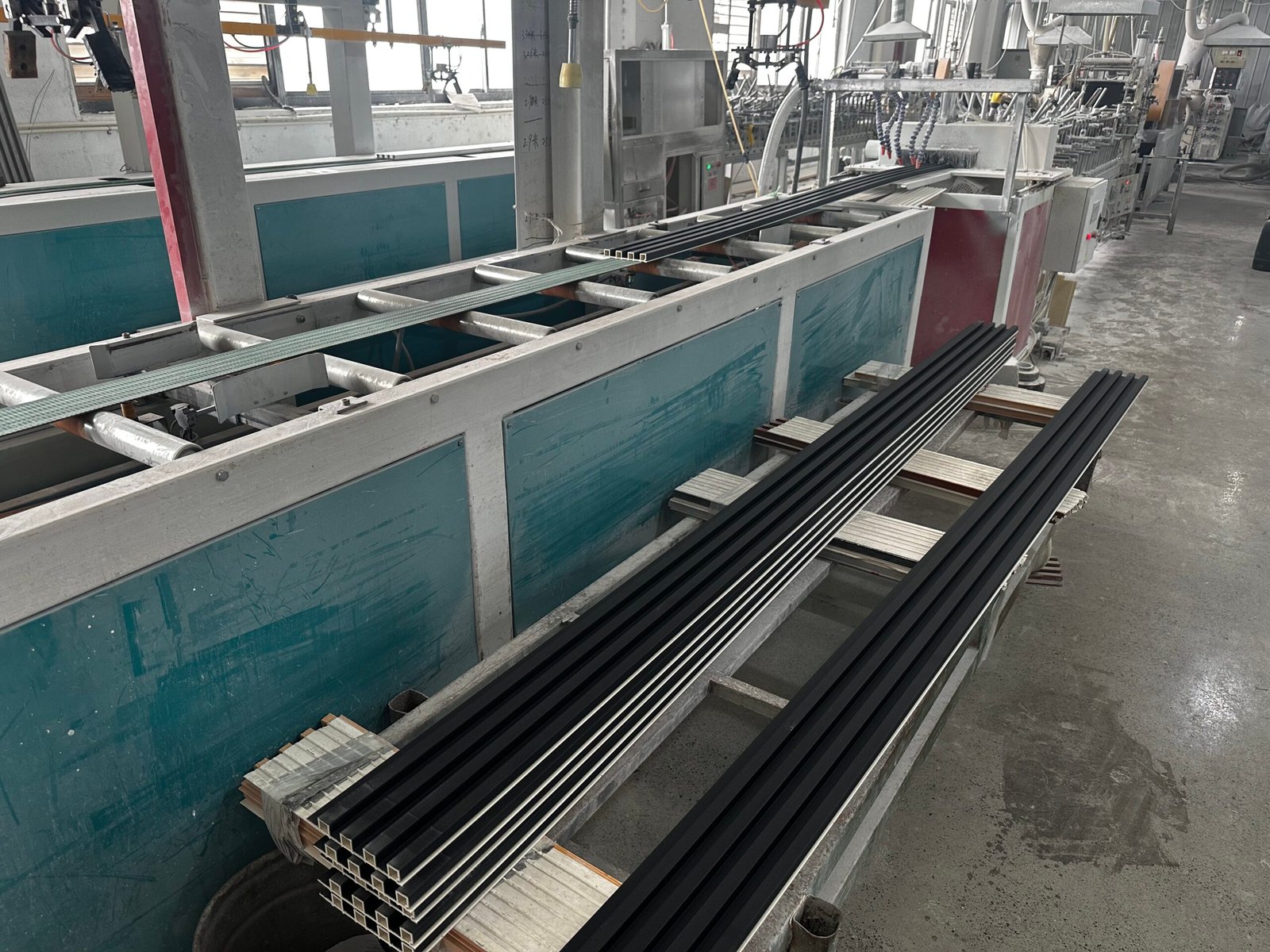
Most Chinese WPC wall sheet suppliers run a single production line and switch dies between interior and exterior orders. It works, but it’s a compromise. Interior panels and exterior WPC Wall Sheet have fundamentally different engineering requirements, and trying to make both well from one factory usually means one of them suffers.
We made a different choice 20 years ago. Two physical factories, two production focuses:
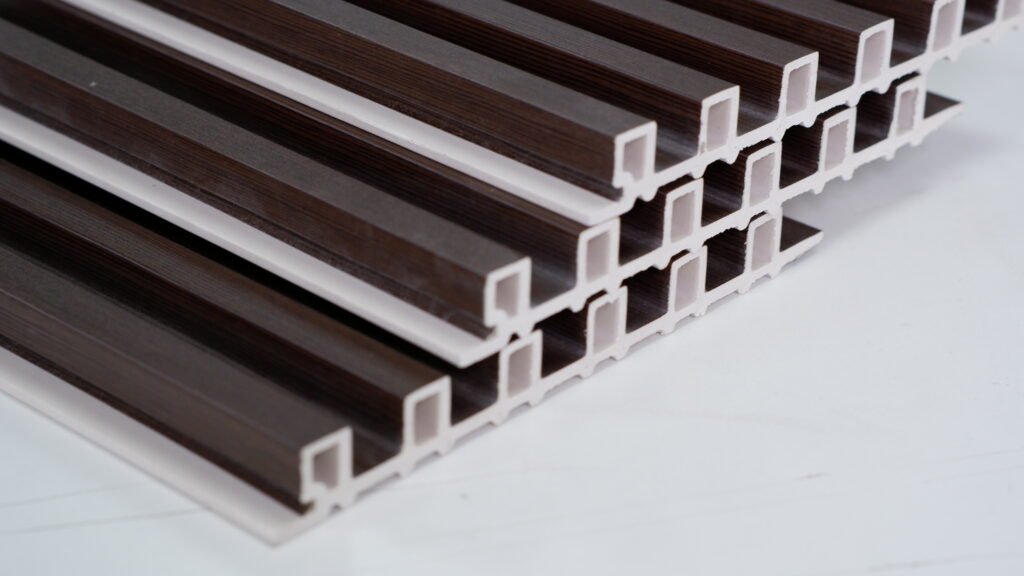
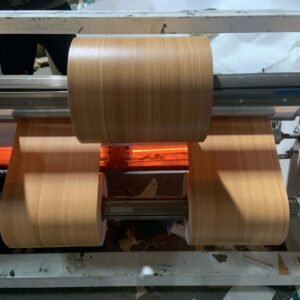
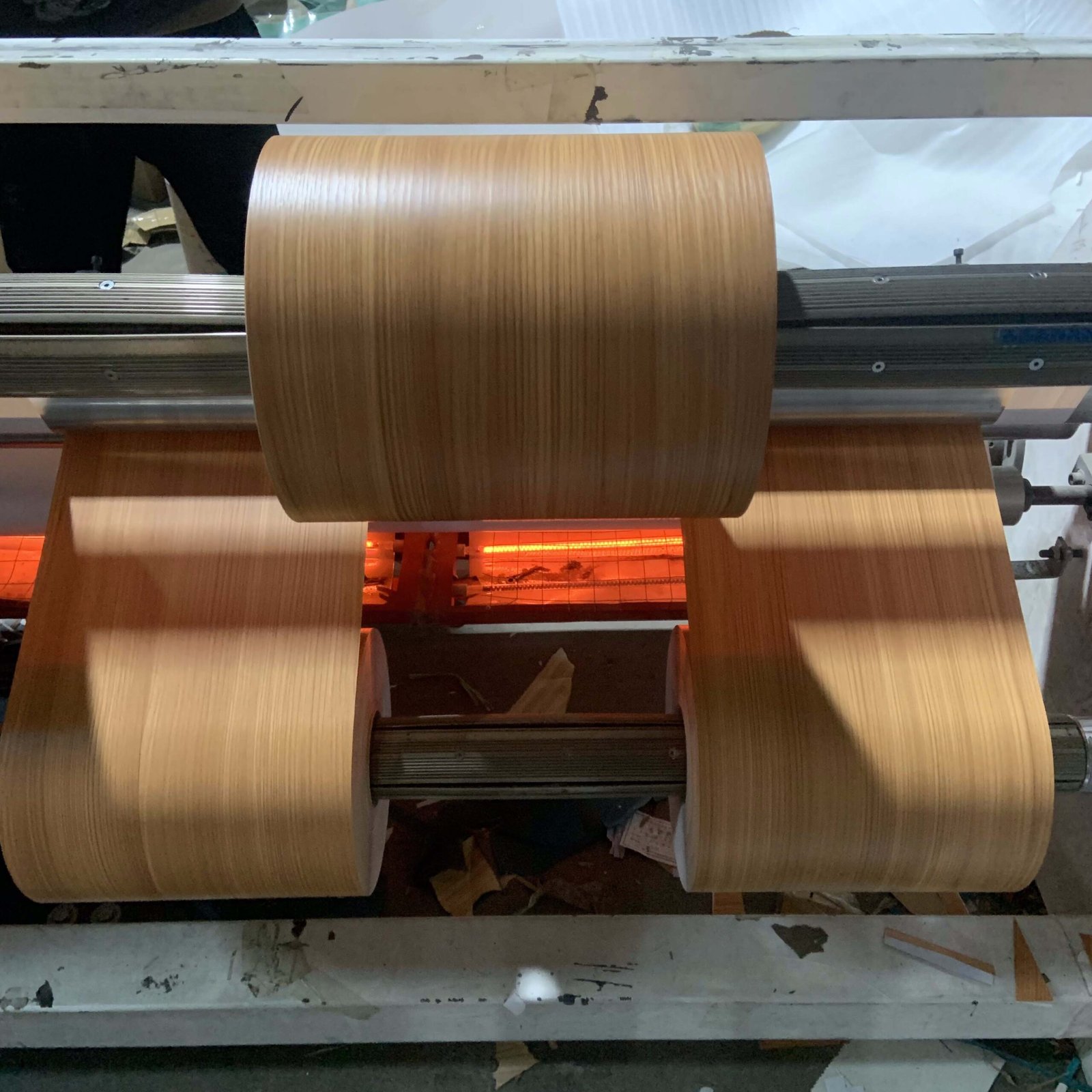
Jiangsu Factory — Interior WPC Wall Sheet Specializes in interior grille panels finished with a PVC film overlay after extrusion. This process gives you the widest range of décor finishes — wood grains, stone textures, fabric looks, solid colors — at a wholesale-friendly price point. Most of our 30-container monthly shipments to U.S. wholesalers come out of this facility.
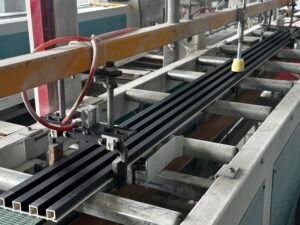
Zhejiang Factory — Exterior WPC Cladding Specializes in co-extruded WPC wall sheet, where the protective surface layer is fused with the core in a single extrusion process — not laminated afterward. The result is a panel that handles UV, rain, freeze-thaw cycles, and temperature swings without delamination. These WPC Wall Sheet use higher PVC content and higher wood filling ratios than interior versions, which is why they cost more — and why they don’t fail in year three.
This split is the single biggest reason our claim rate is what it is. When you buy interior WPC Wall Sheet from us, you’re getting a factory that has done nothing else for two decades. Same for exterior. There’s no “we’ll figure it out” in our production process.
Frequently Asked Questions
1,000+ Mold Library and Bespoke Design Service
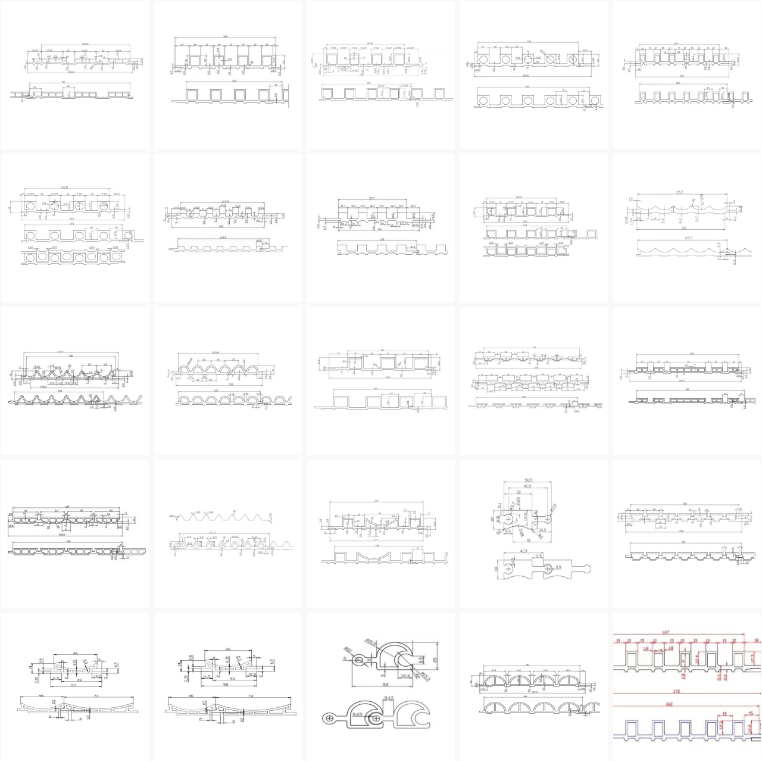
For most orders, you won’t need custom WPC Wall Sheet tooling. We maintain over 1,000 active molds across both factories — different profiles, slat widths, surface textures, embossing patterns, and brushed finishes. Whatever style your client is referencing on Pinterest or in a European catalog, there’s a high probability we already have a mold within 5% of that profile.
But sometimes you genuinely need something nobody else is offering. That’s where our custom mold service comes in, and we want to be transparent about how it works because we’ve seen too many buyers burned by hidden tooling fees:
Custom mold development cost: approximately USD 2,000 per profile
- This fee is 100% refunded against your second full-container order
- No royalty, no exclusivity fees, no per-meter surcharge once the mold is made
- Mold remains in our factory, available for your re-orders indefinitely
The logic is simple. If you’re committed enough to place a custom mold order and come back for a second container, you’ve proven the design works in your market. We’d rather waive the tooling fee and lock in a long-term wholesale relationship than charge you twice.
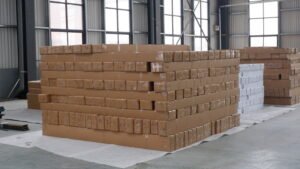
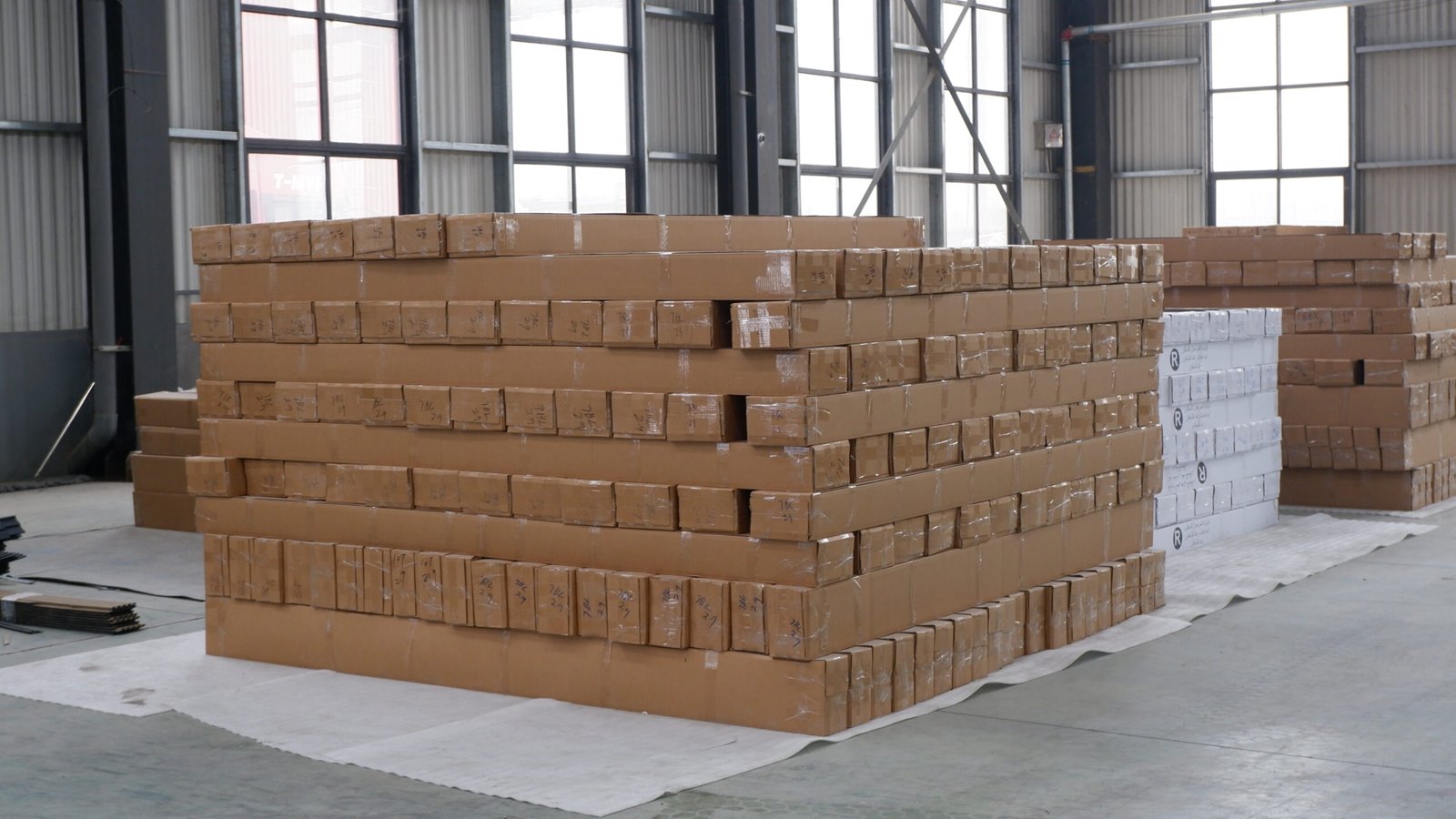
A practical note on minimum order quantities: for any color or style, MOQ is typically 50 cartons per SKU, or 500 pieces. Each carton holds either 10 or 16 pieces depending on the profile. For mixed-style containers, we can usually consolidate multiple SKUs as long as each meets its own MOQ — useful for distributors building out a showroom range.
What Actually Determines the Price of WPC Wall Sheet
This section is for buyers who’ve received three quotes that are 40% apart from each other and don’t understand why. The honest answer is that WPC Wall Sheet pricing is driven by six interlocking factors, and any supplier giving you a price without asking about these is either guessing or cutting corners somewhere:
- Raw material composition. PVC-based panels typically cost more than PE-based. Higher wood filling ratios cost more than lower ones. UV stabilizers, flame retardants, and foaming agents each add cost. A 35% wood-filled PE panel and an 80% wood-filled PVC WPC Wall Sheet are entirely different products at entirely different price points — comparing them is meaningless.
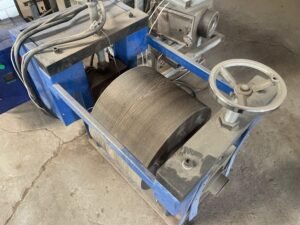
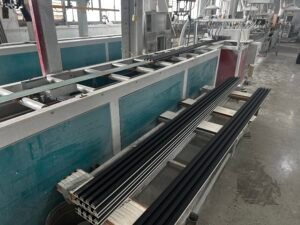
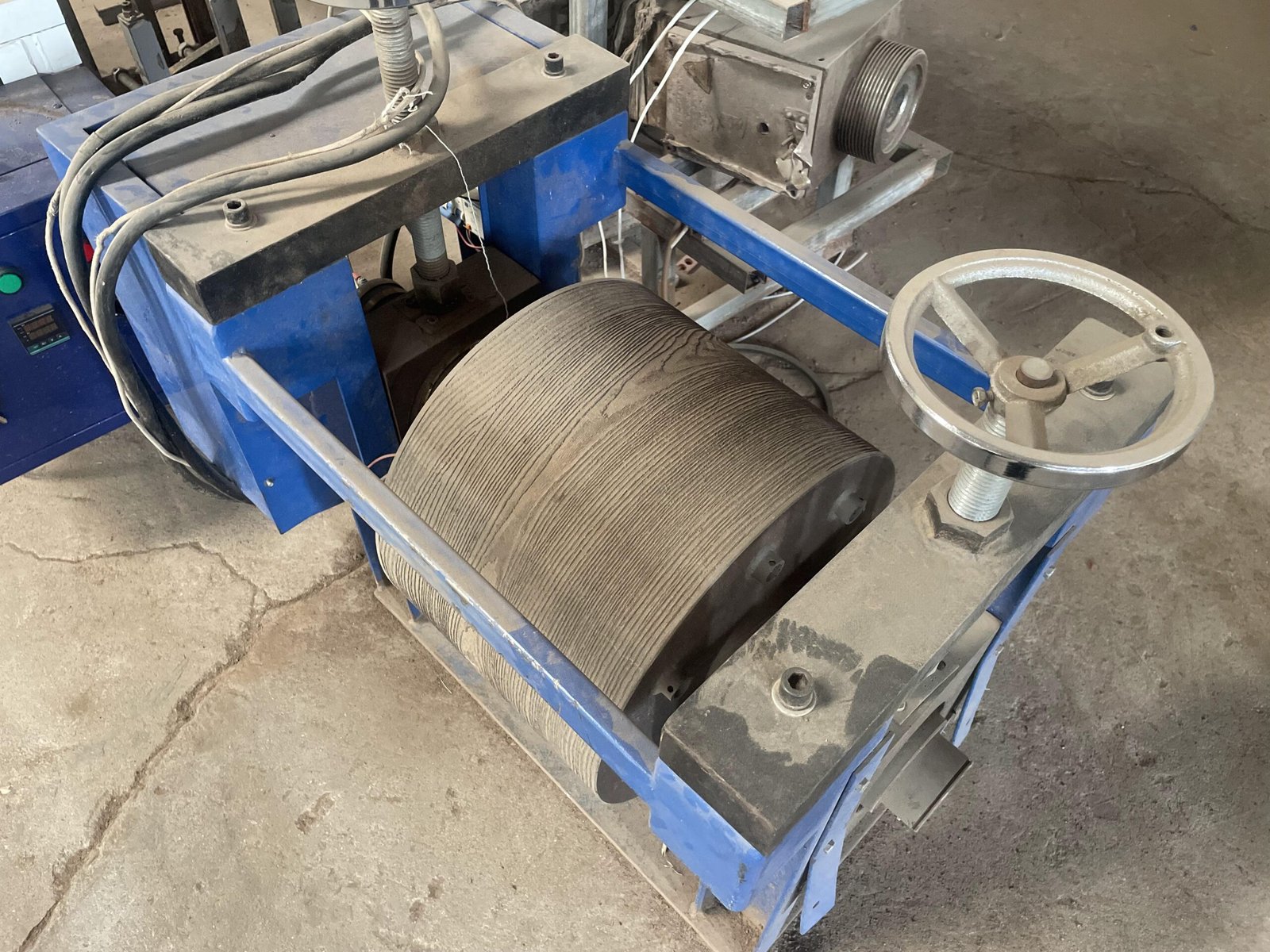
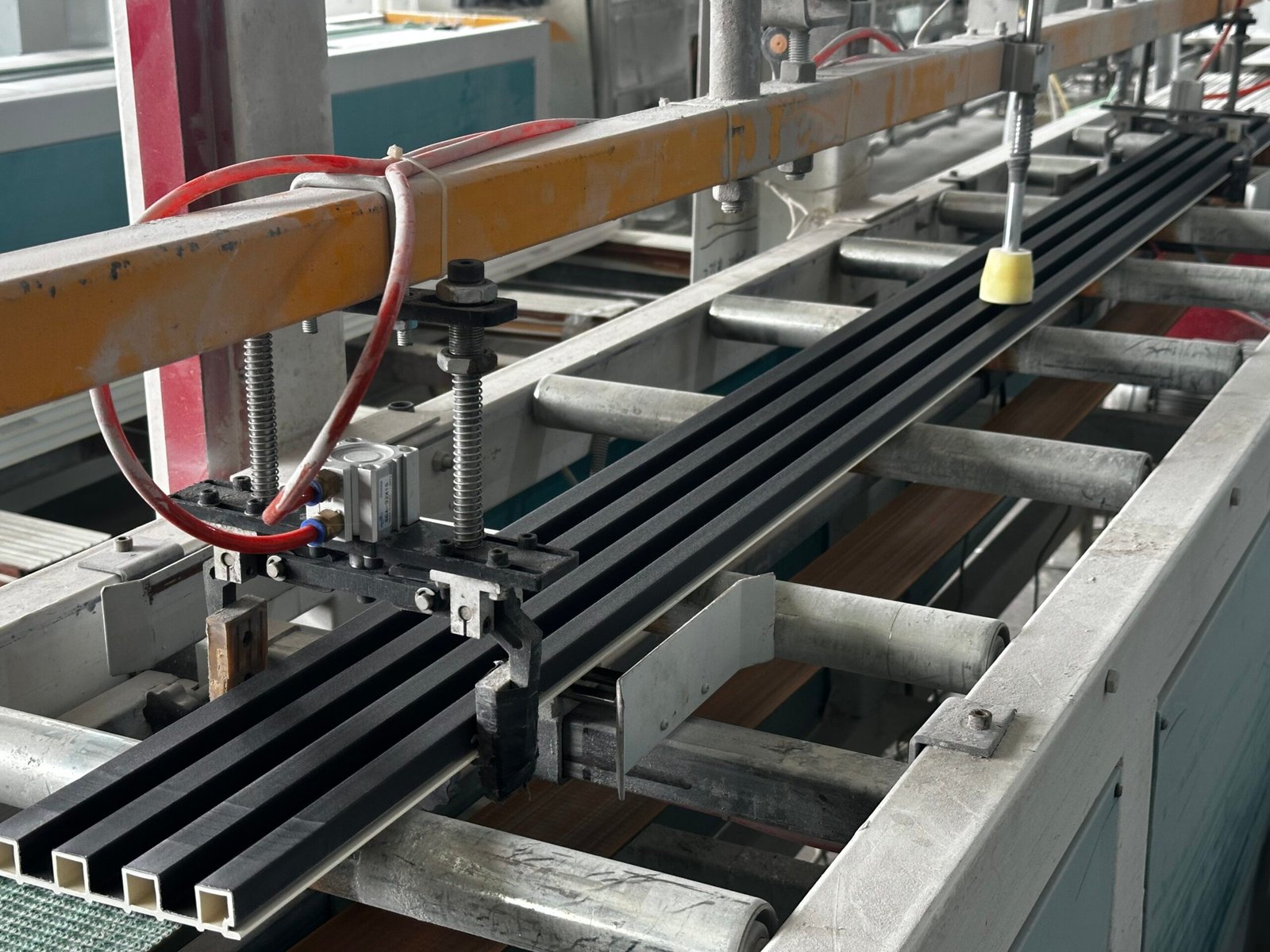
- Production process. Co-extrusion (where the wear-resistant outer layer is fused with the core in one pass) increases weather performance but adds 15-25% to the unit cost compared to single-extrusion plus PVC film. Foaming process — physical or chemical — changes the density and the price. Surface treatments like embossing, deep-grain pressing, and steel-brush distressing each add a step and a cost.
- Specifications. Thickness is a major driver. Common thicknesses are 18mm, 20mm, 24mm, and 26mm — each step up adds material cost. Custom dimensions cost more than standard. Density matters too — a 0.8 g/cm³ panel costs noticeably more than a standard-density version because it uses more material per linear meter.
- Customization. Curved profiles, special embossing, custom color matching — all add to the per-unit cost on top of any mold fee.
- Functional properties. B1 fire rating, enhanced moisture resistance, high-grade UV protection — these aren’t free. They require specific additive packages and quality control steps.
- Linear meter weight. This is the spec most overlooked by first-time buyers. A heavier panel uses more material. Two panels with identical external dimensions can differ in weight by 30%, and that weight difference is exactly where some suppliers cut cost. When you receive a suspiciously low quote, the first thing to check is grams-per-meter, not just dimensions.
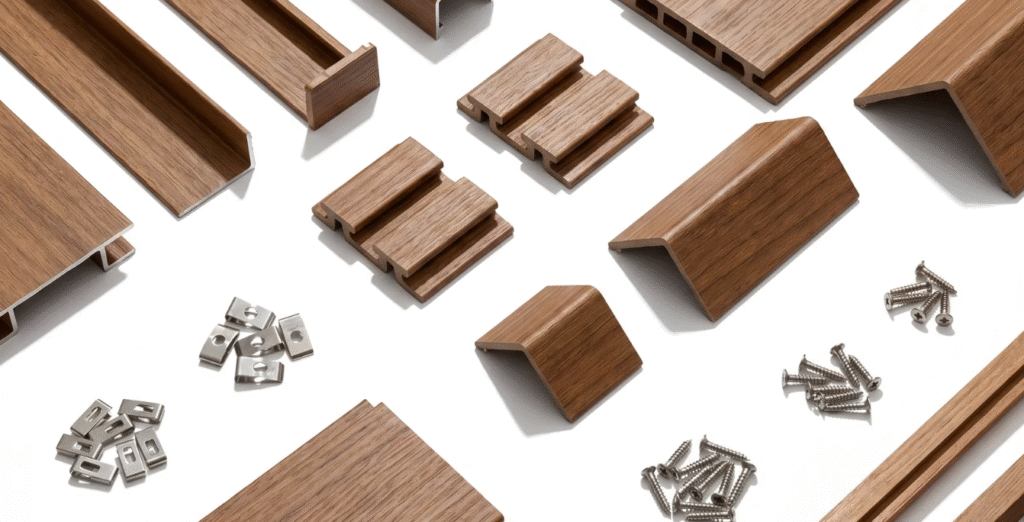
When you contact us for a quote, we’ll ask about thickness, color, linear meter weight, wood filling ratio, application (interior or exterior), and target market. Five minutes of questions upfront so we can give you a real price instead of a teaser number we walk back later. Quotes are returned within 12 hours of receiving complete specs.
The Real Cost of Choosing the Cheapest WPC Wall Sheet Supplier
We need to talk honestly about price, because we know it’s the first thing every buyer compares.
We are not the cheapest WPC wall sheet factory in China. We can’t be, and we don’t try to be. The reason isn’t margin protection — it’s math.
The factories quoting you 20-30% below our prices are doing one of three things:
They’re using lower wood filling ratios than they claim. You ordered 60% wood content. They shipped 35%. You won’t know until your client’s installer notices the panels feel “plasticky” — by then your container has cleared customs.
They’re using lower linear meter weight. Same dimensions, less material per piece. Panels feel hollow, sound thin when tapped, and warp faster under load.
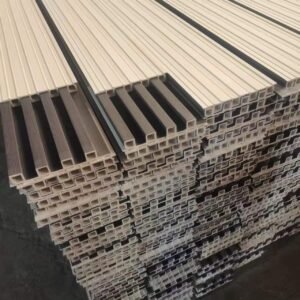
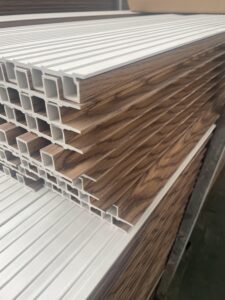
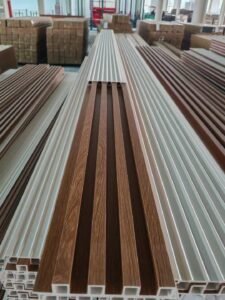
They’re skipping the additive package. No real UV stabilizer, minimal flame retardant, low-grade coupling agents. Panels look identical on day one. They fail in month fourteen.
Here’s what we’ve observed across two decades of watching buyers come back to us: roughly 50% of buyers who switched to a cheaper supplier had a serious quality claim on their second order. Color batch mismatch. Surface delamination. Edge cracking. Warping under normal humidity.
The harder problem isn’t the defective product. It’s that when you try to claim, the cheap factory has already moved on. Maybe they don’t reply. Maybe they offer a 5% discount on your next order — which assumes you’d ever place one. Maybe the company name on your contract doesn’t actually match the entity that shipped the goods. We’ve helped customers untangle this situation more times than we’d like to admit, and the unfortunate truth is that once the container has shipped and the supplier stops responding, your options are extremely limited.
So when we say we’re not the cheapest WPC Wall Sheet , what we’re really saying is: the price difference between us and the bottom-tier factories is the cost of knowing your second order will arrive without a problem — and that if it doesn’t, you have someone to talk to.
Certifications and Quality Standards
Certificates don’t sell panels — performance does. But certificates do tell you that the factory has been independently audited, which matters when you’re shipping into regulated markets.
Our WPC wall sheet products carry:
- CE Certification — required for distribution in the European Economic Area
- SGS Test Reports — independent third-party verification of material composition, fire performance, and physical properties
- ISO 9001 Certification — quality management system audit, renewed annually
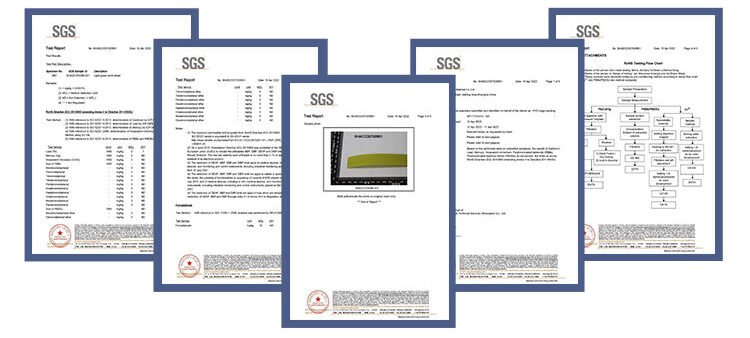
For project-specific compliance — California Title 24, Australian AS standards, Canadian building codes, specific Middle East civil defense requirements — we can provide additional test reports on request. If your project specification calls for a test we haven’t run, we’ll quote you for the third-party testing and add it to the production timeline.
What Typical Orders Look Like
We don’t sell to homeowners or single-project buyers. Our business is built around four customer types:
- Wholesalers and Distributors — typically ordering 1 to 5 containers per month, building a multi-SKU inventory for resale into local building supply networks. Our biggest accounts in this category sit in the U.S., Canada, and Australia.
- Construction and Contracting Firms — sourcing project-specific quantities for hotels, residential developments, commercial fit-outs, and façade renovations. UAE accounts dominate this segment, with consistent monthly volume.
- Interior Design Studios and Architecture Firms — usually placing smaller mixed-SKU orders for showroom displays and signature projects. Many of our European studio accounts started here and grew into recurring distributors.
- Project Procurement Buyers — government tenders, hospitality groups, retail chain rollouts. These orders are usually larger, slower, and require additional documentation, but they’re the most loyal once the relationship is built.
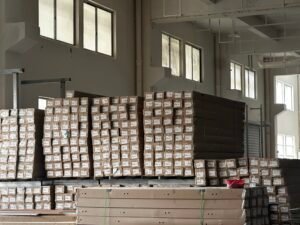
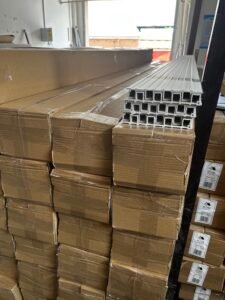
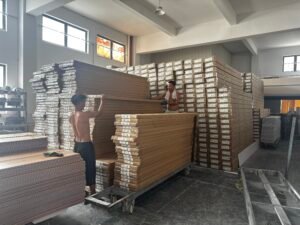
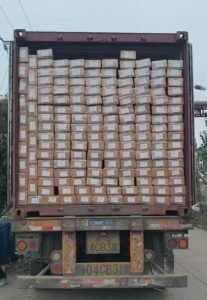
Typical order profile from us looks like this:
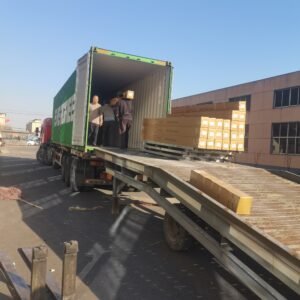
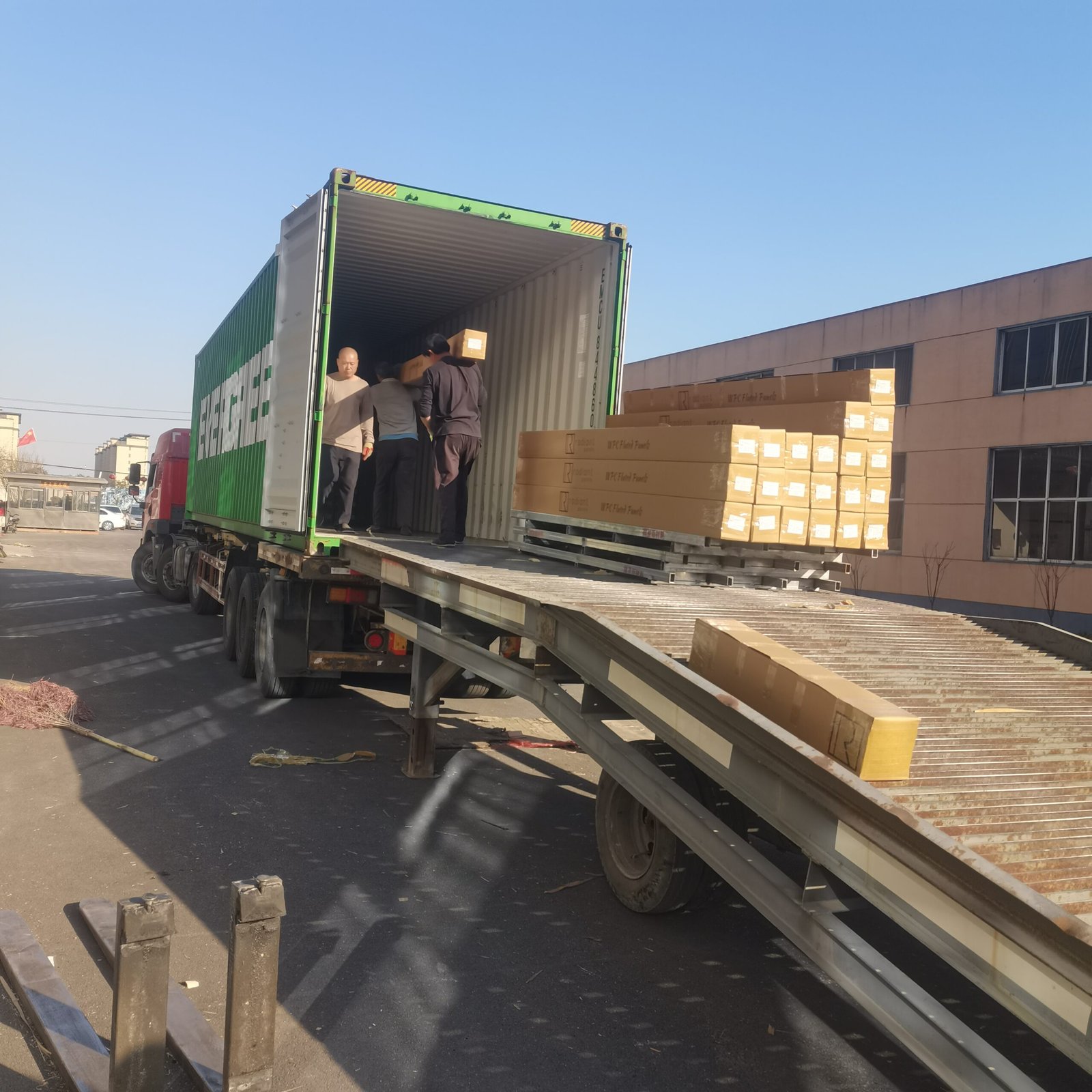
40HQ container is the standard shipping unit
- Sample lead time: approximately 7 days — samples are free, shipping cost on buyer’s account
- Quote turnaround: within 12 hours of receiving complete specs
- Production lead time for full-container orders: 15-20 working days after deposit confirmation
- Target export markets: United States, Canada, Mexico, Australia, New Zealand, EU member states, Peru, Colombia, Ecuador, Chile, UAE
If your sourcing pattern doesn’t match any of the above — for example, you’re a smaller buyer planning to grow into wholesale — talk to us anyway. We started a lot of our biggest current accounts with a single-pallet sample order three years ago.


