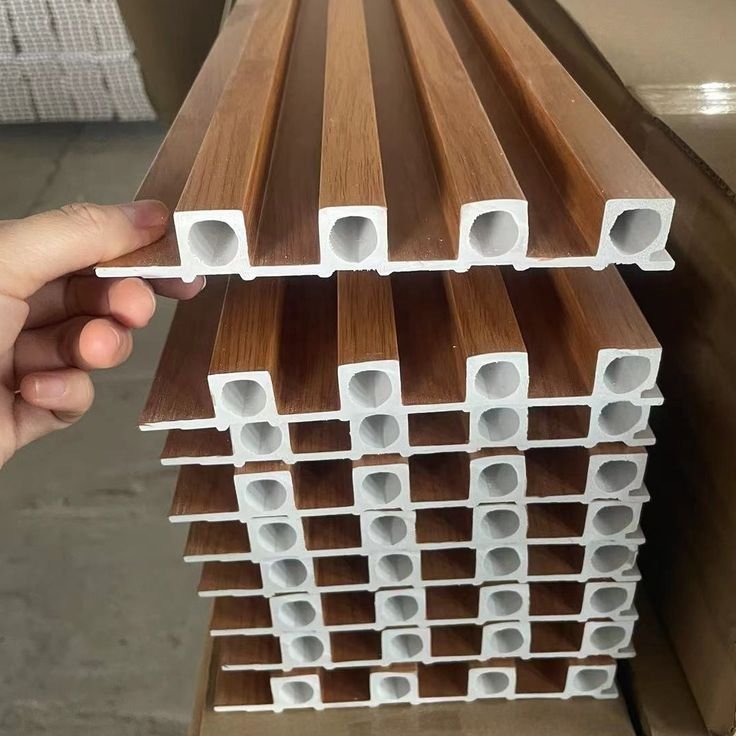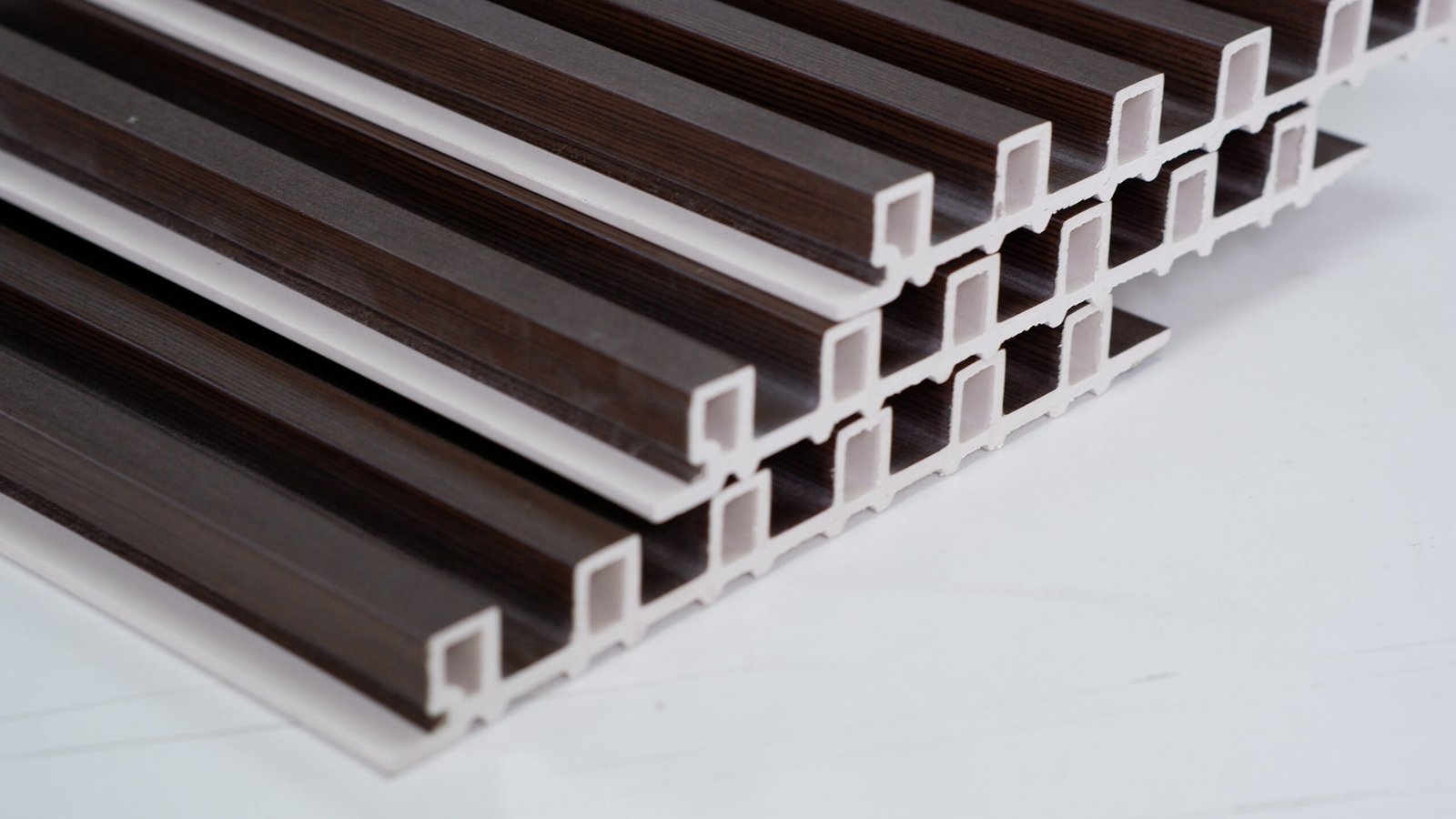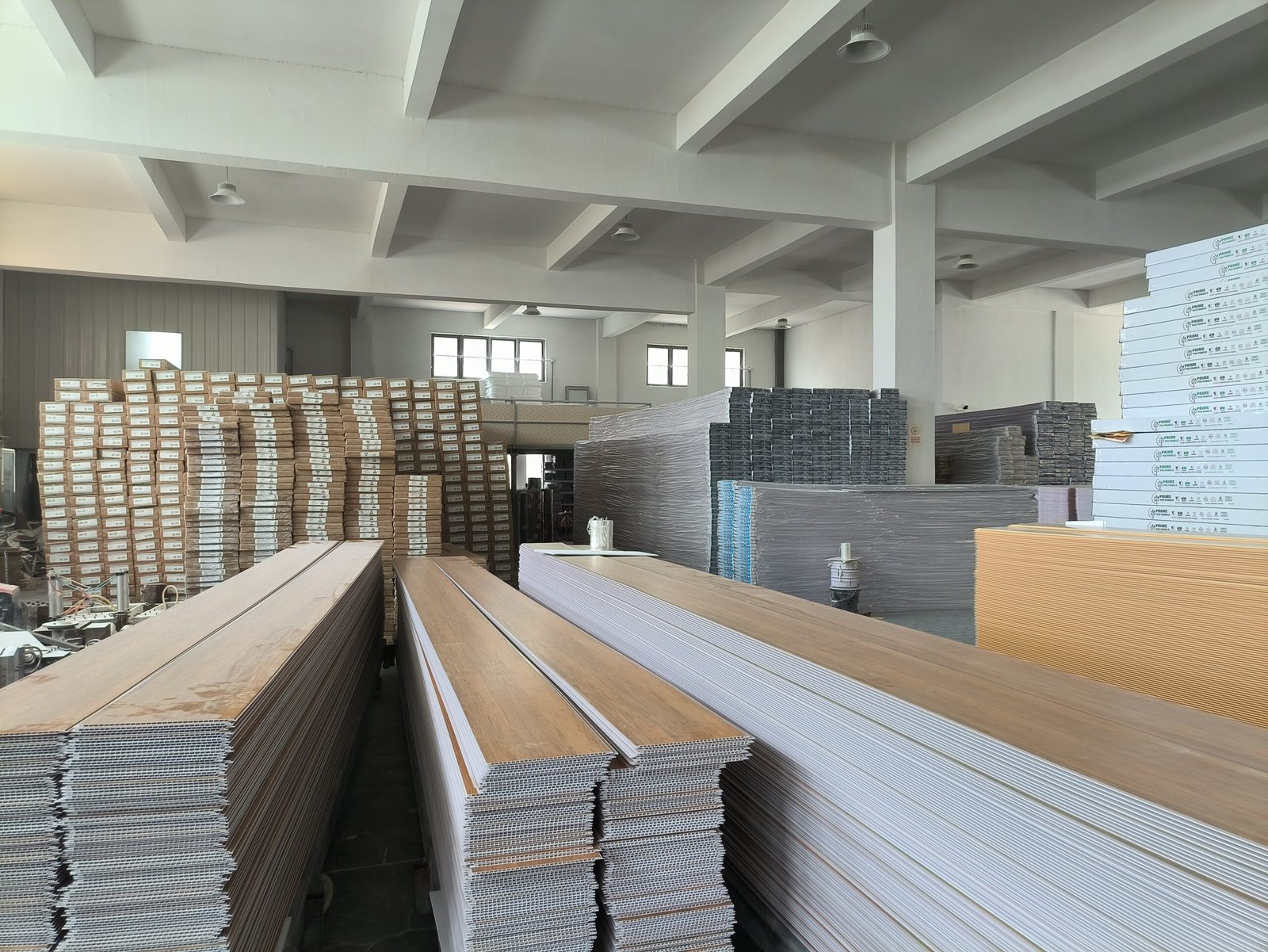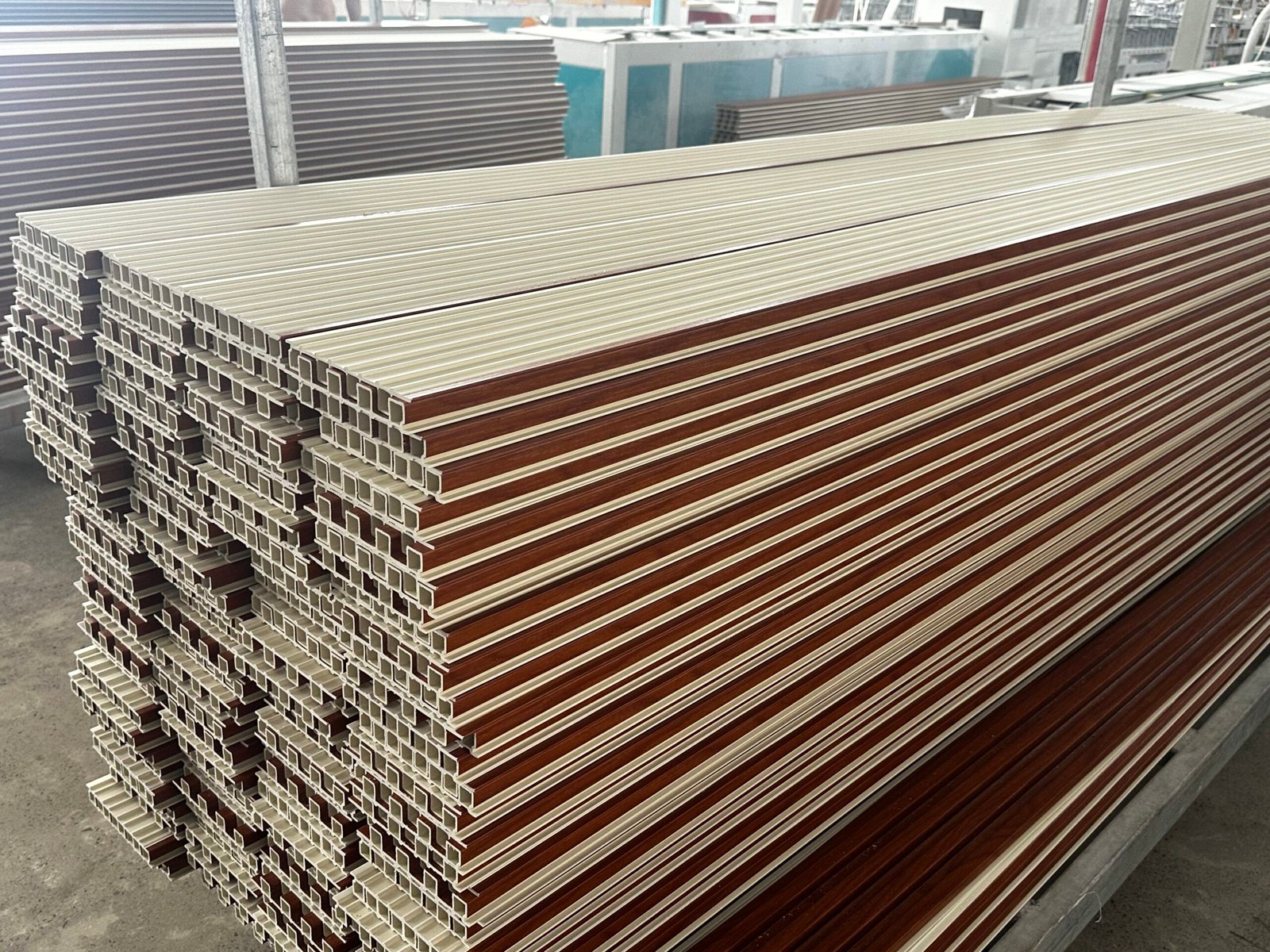
As a revolutionary decorative material, WPC wall panels are taking the global construction market by storm with their waterproof and moisture-resistant, environmentally friendly and durable properties. However, even experienced installers can make critical mistakes during the construction process, resulting in poor wall finishes, shorter lifespans, or even having to re-construct the wall. We will deeply analyze the 5 most common mistakes made when installing WPC wall panels and provide professional solutions to help you complete a perfect installation in one go.
Mistake 1: Neglecting base treatment and flatness checking
Root of the problem: Many installation teams install WPC wall panels directly on uneven walls in order to save time, resulting in uneven walls, obvious seams and even deformation of the panels after installation.
Professional Solutions
- Thorough surface preparation is absolutely critical for successful WPC wall panels installation. Begin by meticulously checking the entire wall surface with a precision level gauge, ensuring that any deviation does not exceed the industry standard of 3mm per 2-meter span. For any detected irregularities, professional-grade self-leveling compounds or specialized leveling mortar must be applied to create a perfectly even substrate. Particular attention should be paid to different base materials: wooden surfaces require comprehensive damp-proof treatment through appropriate sealing or membrane application, while metal substrates demand complete anti-rust treatment using quality primers or protective coatings. Finally, before commencing installation, the entire surface must be thoroughly cleaned using appropriate methods to eliminate all dust, oil stains, and any other contaminants that could potentially compromise adhesion integrity. This comprehensive preparation process, though time-consuming, forms the fundamental foundation for ensuring long-term stability and flawless appearance of your WPC wall system.
In humid areas, it is recommended that a waterproof membrane layer be added to the substrate to prevent moisture from penetrating from the substrate to the WPC panels and to extend the life of the system.
Mistake 2: Incorrectly reserving the expansion gap
Root cause of the problem: WPC material will be with the temperature and humidity changes and thermal expansion and contraction, neglecting to leave a proper expansion gap will lead to deformation, arching or even cracking of the plate.
Specialized solutions:
- When installing WPC wall panels, the thermal expansion and contraction characteristics of the material must be fully considered, and the expansion space must be set scientifically. An expansion gap of not less than 5-8mm should be reserved around the wall panels to ensure that the panels have enough expansion and contraction margin when the temperature and humidity change. For large-area paving projects, it is recommended to set 8-10mm expansion joints for every 5 meters of length, and this systematic setup can effectively disperse the temperature stress. All visible expansion joints should be treated with special expansion joint cover strips, a specialized accessory that maintains the functionality of the expansion joints and ensures an aesthetically pleasing uniformity of the overall installation. Special attention should be paid to the installation should be avoided in extreme weather conditions, the most suitable installation environment temperature between 15-35 ℃, installation in this temperature range can minimize the thermal expansion and contraction effect of the material, for subsequent use to provide a more stable guarantee.
In areas with large temperature differences, WPC wall panels are placed on the construction site for 48 hours before installation to acclimatize them to the ambient temperature and humidity and to reduce expansion and contraction at a later stage.
Mistake 3: Choosing inappropriate mounting fixtures
Root of the problem: Use of common screws or poor quality fixings, resulting in insufficient fixing force, rusting or damage to the board.
Specialized solutions:
- When installing WPC wall panels, the thermal expansion and contraction characteristics of the material must be fully considered, and the expansion space must be set scientifically. An expansion gap of not less than 5-8mm should be reserved around the wall panels to ensure that the panels have enough expansion and contraction margin when the temperature and humidity change. For large-area paving projects, it is recommended to set 8-10mm expansion joints for every 5 meters of length, and this systematic setup can effectively disperse the temperature stress. All visible expansion joints should be treated with special expansion joint cover strips, a specialized accessory that maintains the functionality of the expansion joints and ensures an aesthetically pleasing uniformity of the overall installation. Special attention should be paid to the installation should be avoided in extreme weather conditions, the most suitable installation environment temperature between 15-35 ℃, installation in this temperature range can minimize the thermal expansion and contraction effect of the material, for subsequent use to provide a more stable guarantee.
It is recommended to use special fixings with colors matching the wall panels to avoid the exposure of the fixings affecting the overall aesthetics. For heavy wall panels, the density of fixing points should be increased to improve security.
Mistake 4: Wrong direction and order of installation
Root of the Problem: Arbitrary installation starting points and orientations resulting in misaligned patterns, visible seams and drainage problems.
Professional Solutions
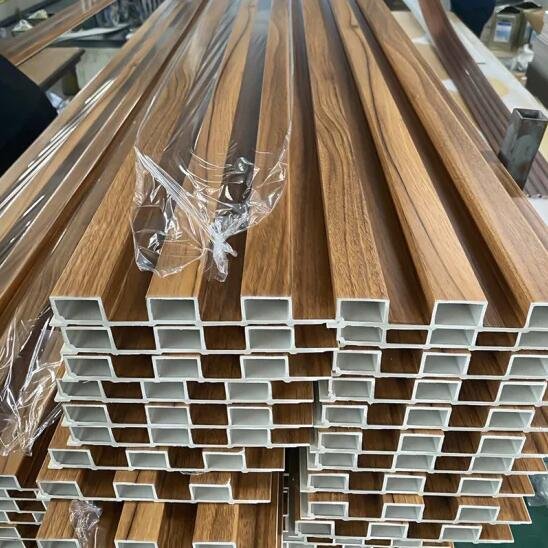
- In the installation process of WPC wall panels, the standardized installation direction and order directly affect the final effect. The correct practice is to start installing from the lower left corner of the main viewing angle, and gradually advance in the order of the upper right, this installation path not only conforms to the visual habit, but also ensures the natural smoothness of the board material splicing. Staggered seam installation process must be used to ensure that the joints between adjacent rows are staggered by at least 30cm, which not only enhances the structural stability of the wall, but also avoids the repetition of obvious seam patterns. Special attention should be paid to keep the tongue and groove of all panels in the same direction, and the tongue should normally be installed with the tongue facing up and the tongue and groove facing down to ensure a tight and reliable connection. For outdoor installation projects, special attention should be paid to the drainage design of the wall panels, which must be made so that the drainage grooves face downward, so as to effectively avoid rainwater accumulation and ensure the waterproof performance and long-term service life of the wall. These professional installation details are not only related to the aesthetics of the wall, but also the key to ensure the long-term stable operation of the WPC wall panels system.
Dry laying prearranging before installation, checking the texture and color difference of the panels, installing the panels with slight differences in color in secondary locations or scattering the installation to ensure the overall color uniformity.
Mistake 5: Ignoring seam treatments and detailing
Root of the problem: Neglecting the fine treatment of seams and edges leads to a rough installation, affecting the overall aesthetics and service life.
Specialized solutions:
- In the finishing stage of WPC wall panels installation, refined joint and detail treatment is crucial. A special sealant coordinated with the wall panel color should be used to systematically treat all seams and edges, which not only ensures visual unity and aesthetics, but also effectively prevents moisture penetration and dust accumulation. For special parts such as yin and yang corners, special corner line must be used for professional treatment to ensure a smooth and natural transition effect. Doors and windows around the opening need to use waterproof sealant to strengthen the sealing process, this key step can significantly improve the waterproof performance and service life of these weak areas. Special attention should be paid to the fact that all surface stains and sealant residues must be thoroughly removed immediately after installation, a seemingly simple but crucial process that not only keeps the wallboard surface clean and beautiful, but also avoids future cleanup difficulties. These delicate finishing touches, though seemingly trivial, are the decisive factor in ensuring the perfect installation and long-term durability of the WPC wall panels system.
It is recommended to use elastic sealant, whose flexibility can adapt to the thermal expansion and contraction of the WPC board to avoid sealing failure due to material movement.
Complete process for installing high quality WPC wall panels
To ensure the success of your WPC wall panels installation project, please follow the following professional process:
1. Preliminary preparation: Measure the area and increase the loss margin by 5-10%; Check the flatness of the base layer; Prepare all necessary tools and materials
2. Grassroots treatment: Thoroughly clean the grassroots; Perform necessary leveling treatment; Install moisture-proof layer (if necessary)
3. Install the starting strip: Install the starting strip accurately to ensure complete levelness
4. Board installation: Install from the bottom left corner; Use specialized fasteners; Reserve appropriate expansion gaps; Check the levelness of each board
5. Detail processing: Fine processing of corners, edges, and seams; Install decorative lines
6. Cleaning and protection: Clean the surface immediately after installation is completed; Remove the protective film (if any)
By avoiding these common installation errors, your WPC wall panels project will be successful. Correctly installed WPC wall panels not only provide excellent aesthetic effects, but also offer long-term protection for the building. If you have any questions about the installation process, it is recommended to consult professional installers or contact material suppliers for technical support.
Immediate action: Visit our website to learn more about the professional installation guide for WPC wall panels, or contact our technical support team for personalized solutions.


 903 Yuntong Building, 3285 Shengxin Road, Shanghai, China