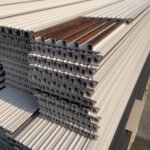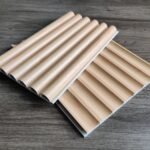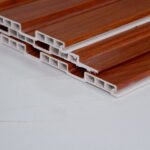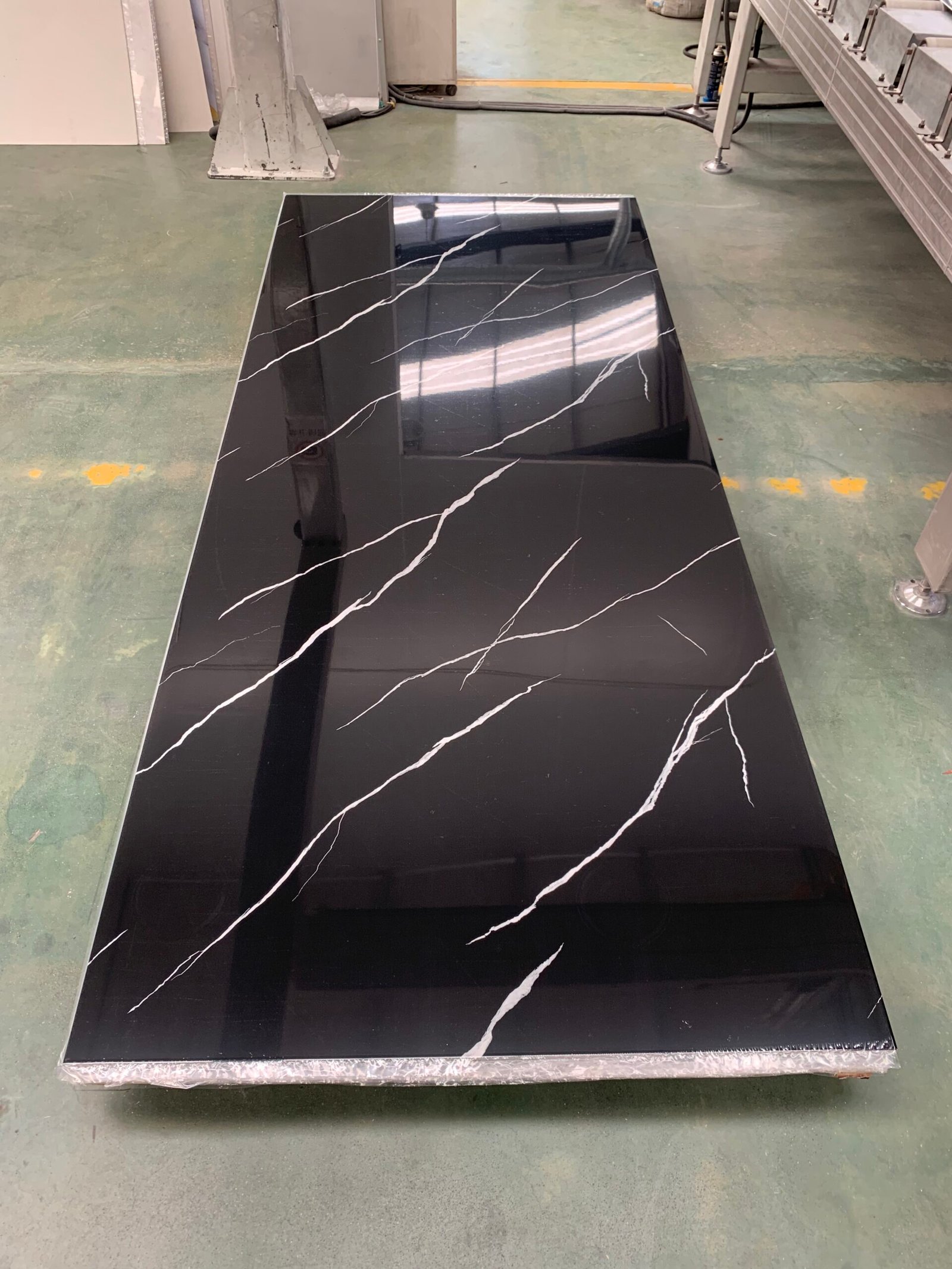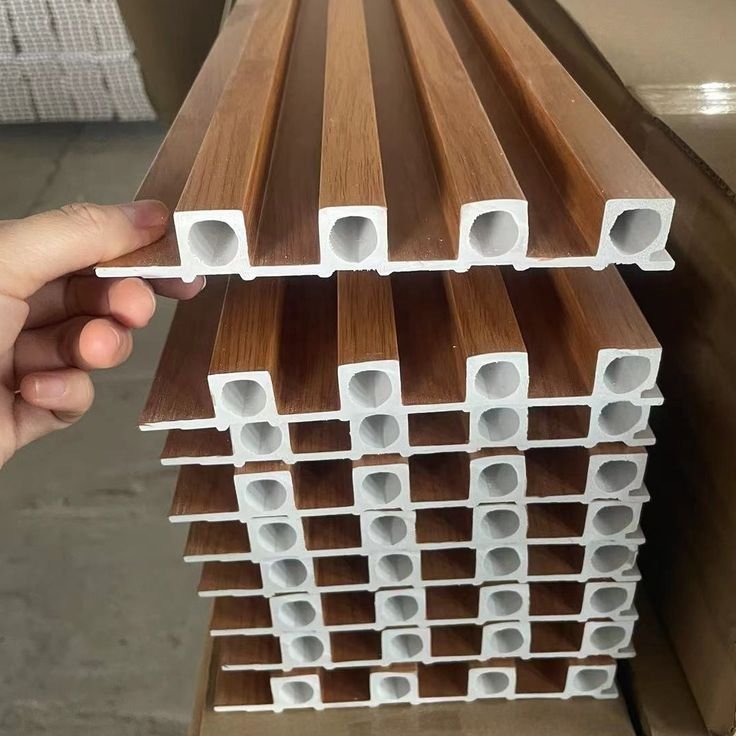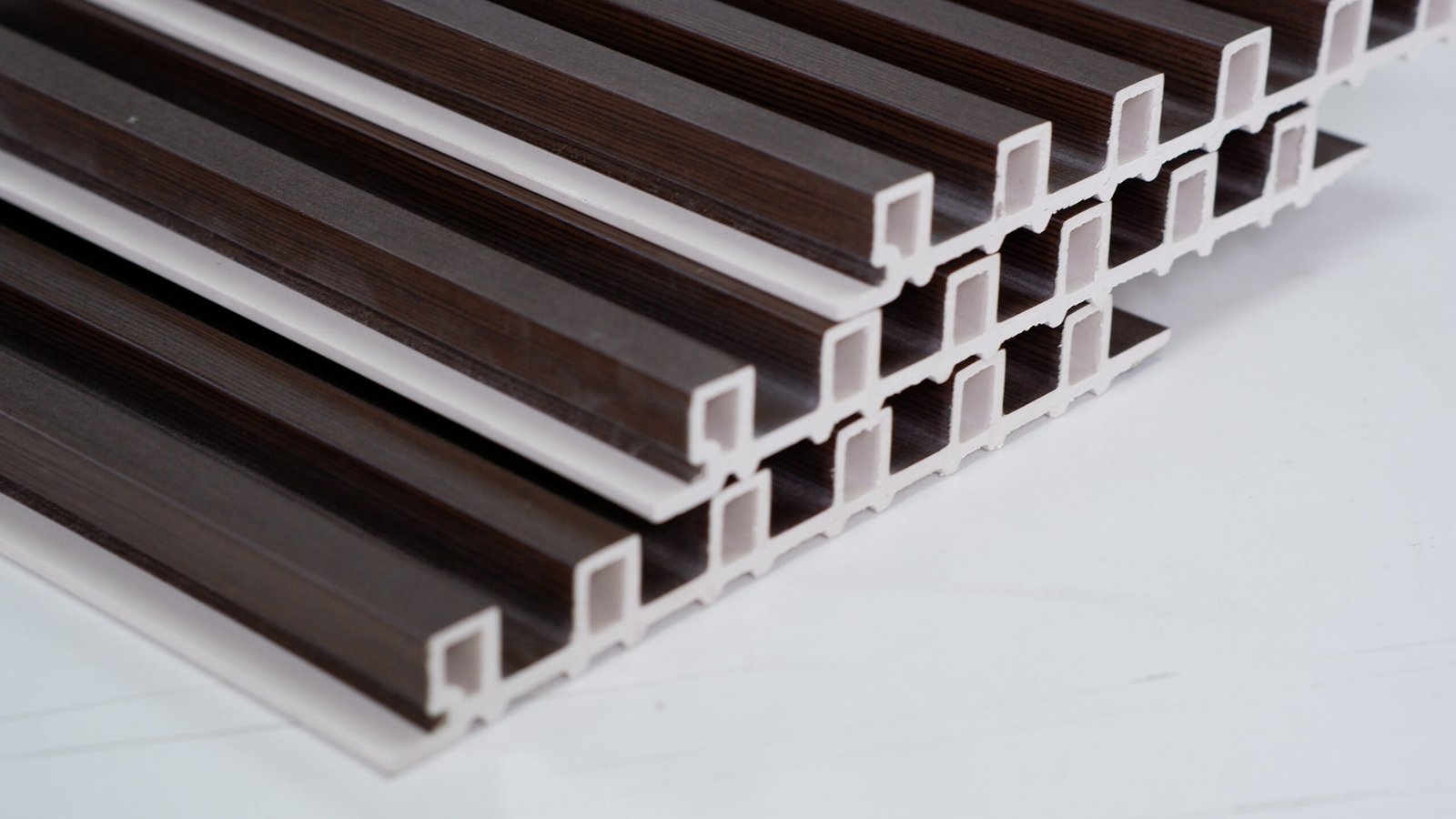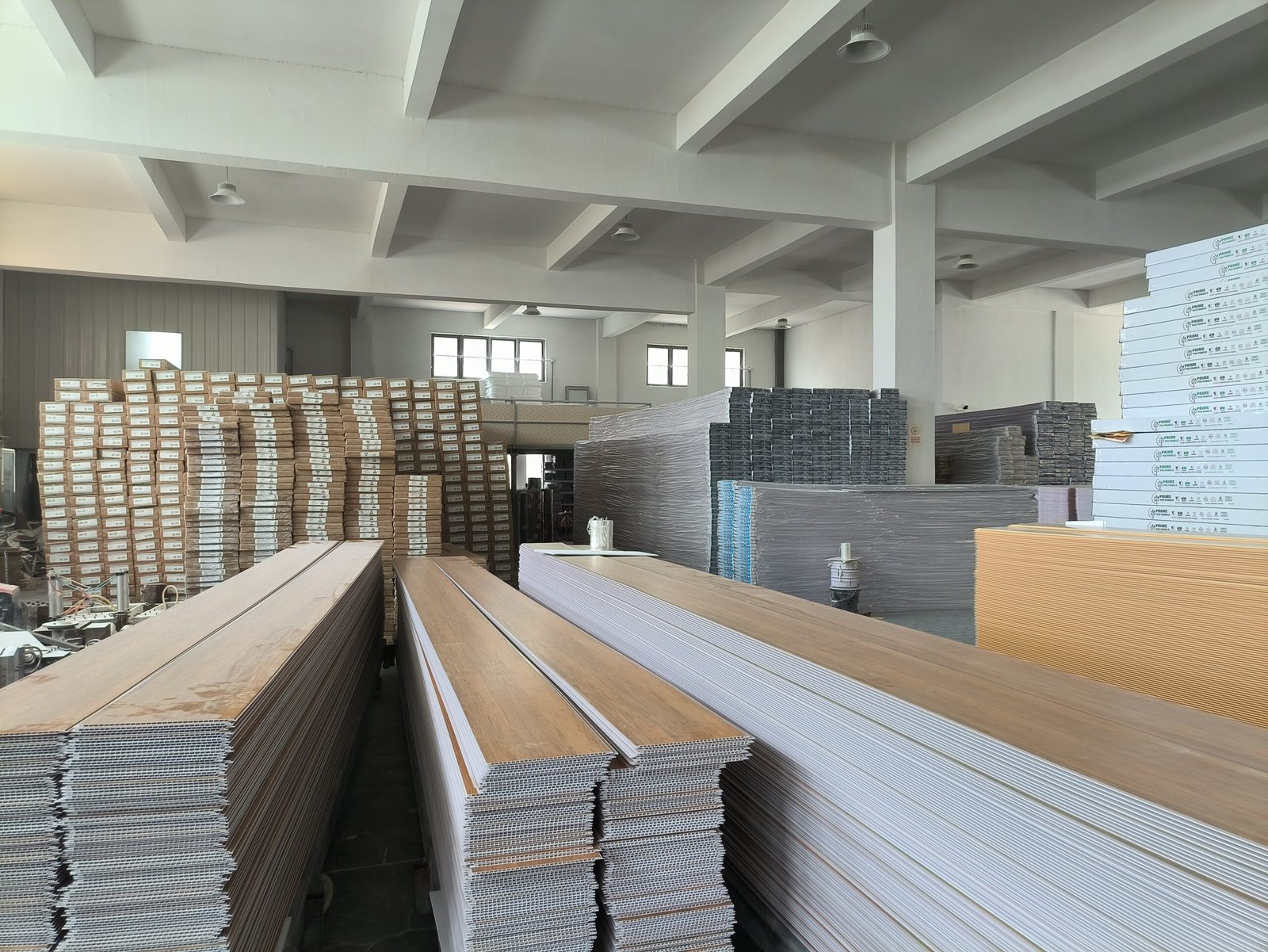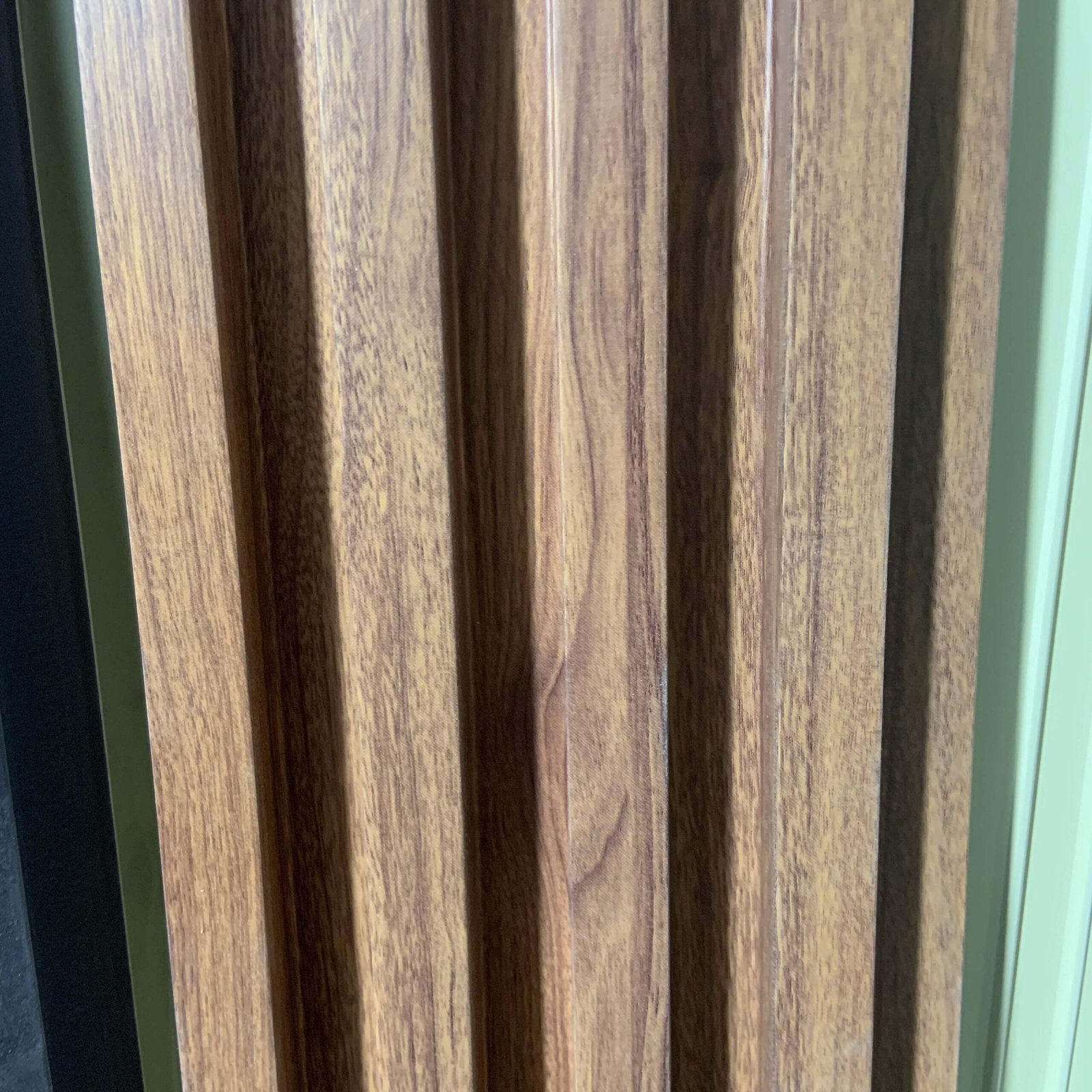
In recent years, the demand for eco-friendly, durable, and aesthetically pleasing materials in the home renovation and construction industries has continued to grow. wpc board for wall have emerged as a popular choice for wall decor due to their unique advantages. If you are planning to renovate your home or seeking a practical yet stylish wall solution for a commercial project, this guide will provide a comprehensive overview of wpc board for wall and detailed installation instructions.
What Are wpc board for wall?
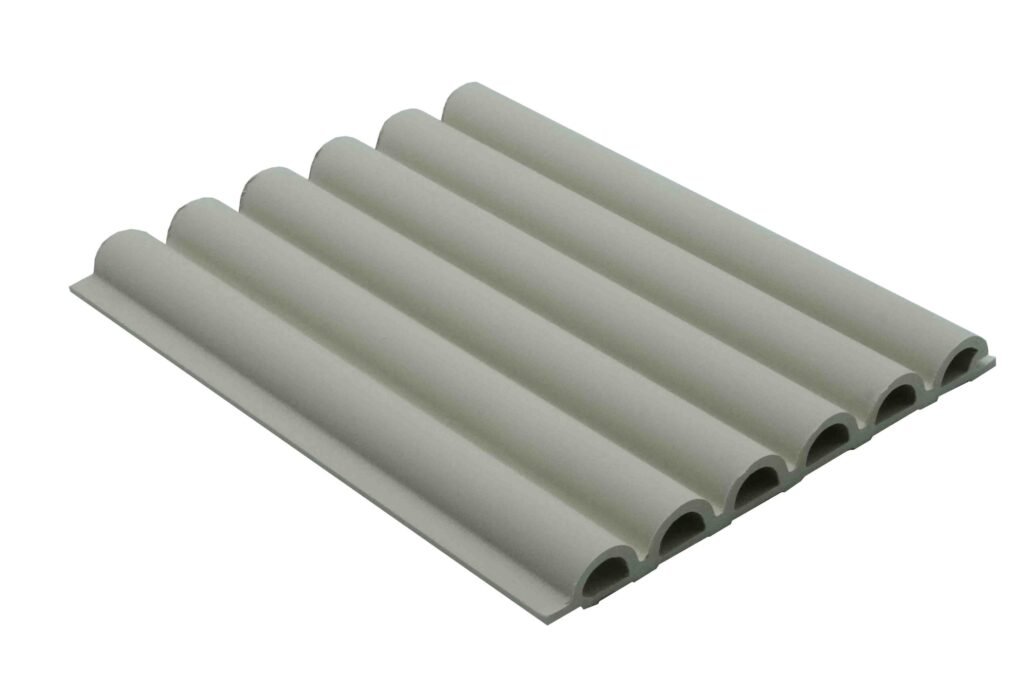
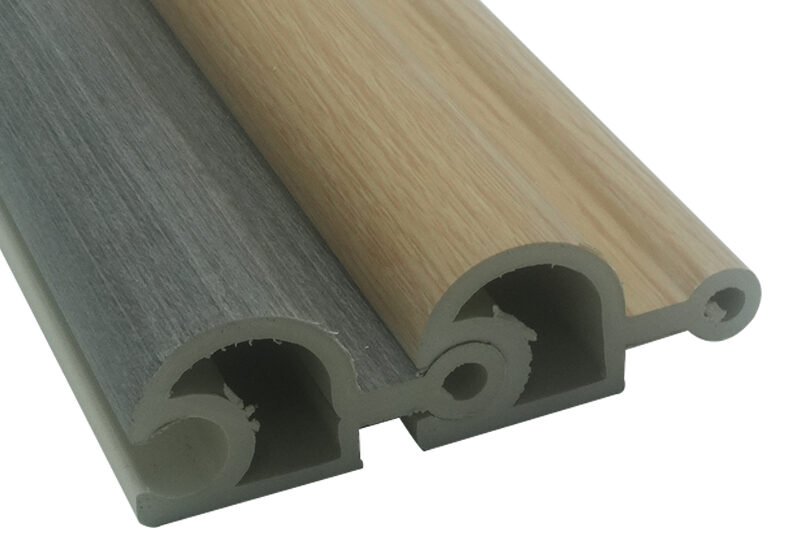
wpc board for wall are innovative building materials made primarily from wood fibers and recycled plastic, combined through high-temperature and high-pressure processes. They retain the natural texture of wood while incorporating the waterproof and anti-corrosion properties of plastic, making them an ideal alternative to traditional wood, PVC panels, and even tiles.
According to statistics, the global WPC market reached approximately $8 billion in 2023, with an annual compound growth rate of over 12%. Wall applications account for nearly 30% of this share, highlighting their broad prospects.
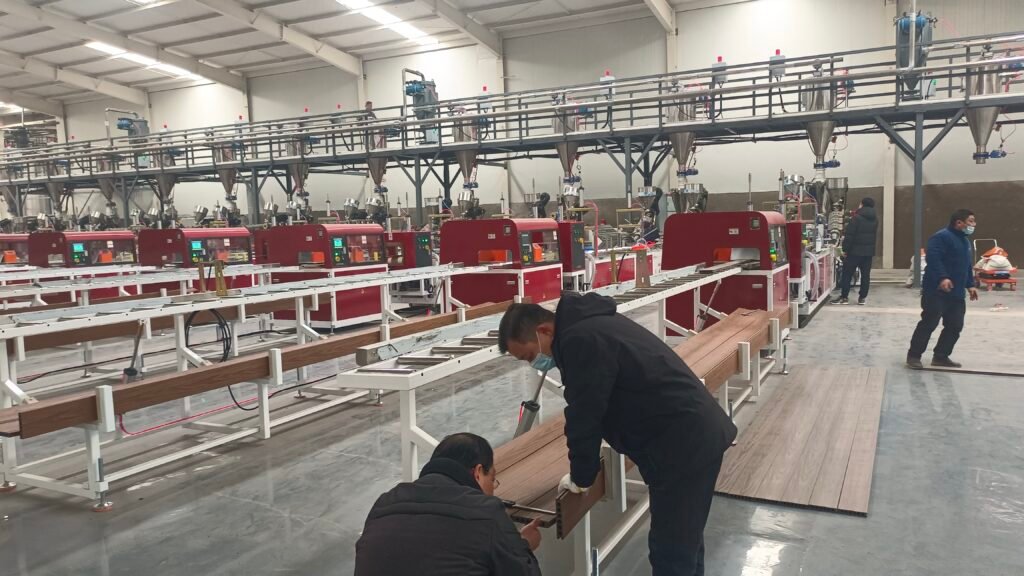
Why Choose wpc board for wall? Data-Backed Advantages
- Eco-Friendly and Sustainable
The wood fibers in WPC often come from wood processing residues or recycled resources, while the plastic component frequently incorporates recycled materials. Using one ton of WPC wall panels reduces wood consumption by about 1.5 tons and plastic waste by 0.8 tons, significantly lowering the carbon footprint compared to traditional building materials. - High Durability
Experimental data show that WPC wall panels remain stable in humid environments, with a water absorption rate of less than 0.5%, far lower than that of ordinary wood (approximately 8%-12%). Their UV-resistant coating extends their lifespan to over 15 years even outdoors. - Aesthetic Appeal and Design Versatility
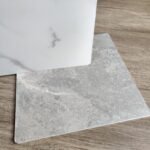
Modern WPC wall panels can mimic the textures of various materials such as wood, stone, and metal, offering more than 50 color and surface treatment options to suit styles ranging from minimalist modern to rustic natural. - Cost-Effectiveness
Although the initial investment is slightly higher than that of PVC panels, WPC wall panels require minimal maintenance—no regular painting or pest treatment—resulting in long-term savings of about 30% on upkeep costs.
Pre-Installation Preparation: Planning and Tools
Material Calculation
Start by measuring the wall area. It is advisable to purchase 5%-10% more material to account for cutting waste. For example, if the wall area is 20㎡, order 21-22㎡ of WPC panels.
Tool Checklist:
- Spirit level, tape measure, pencil
- Hand saw or electric cutting machine
- Specialized WPC installation clips and adhesive
- Expansion screws (stainless steel required for outdoor installation)
- Cleaning cloth and neutral cleaner
Environmental Adaptation
WPC panels should be acclimated to the installation environment for 48 hours to adjust to temperature and humidity, preventing expansion or contraction later.
Step-by-Step Installation Guide
Step 1: Base Layer Treatment
The wpc board for wall surface must be flat, dry, and free of oil stains. Uneven areas should be leveled with cement mortar, and humidity must be below 10%. For outdoor installation, adding a waterproof layer is recommended.
Step 2: Install Framing (Optional)
For uneven walls or scenarios requiring enhanced insulation/soundproofing, install light steel or wood framing first, typically spaced 40-50 cm apart.
Step 3: Panel Installation
- Indoor Installation: Often uses a “click-lock” system. Start from the corner, ensuring the first panel is perfectly vertical, then sequentially connect subsequent panels along the grooves.
- Outdoor or Wet Areas: Use both clips and specialized adhesive to ensure sealing. Leave a 3-5 mm expansion gap between panels.
Step 4: Edging and Detailing
Use specialized edge trims for internal and external corners. Precisely measure and cut openings for switches and sockets, sealing edges with waterproof adhesive if necessary.
Frequently Asked Questions
Q1: Can wpc board for wall Be Used in Bathrooms or Kitchens?
Yes. Choose WPC panels with a density of ≥1.2g/cm³ and a waterproof surface coating. It is recommended to additionally seal joints with silicone.
Q2: Is Cleaning and Maintenance Complicated?
Not at all. Daily cleaning can be done with a damp cloth. Stubborn stains can be treated with neutral cleaners. No waxing or painting is required; simple annual maintenance will keep them looking new.
Q3: WPC vs. Aluminum-Plastic Panels: How to Choose?
WPC is more eco-friendly and has a tactile feel closer to natural wood, with better sound and thermal insulation. Aluminum-plastic panels are lighter and more fire-resistant but typically 20% more expensive.
Q4: What Are the Current Market Trends?
New products in 4 incorporate “smart surface” technologies, such as integrated antibacterial coatings and thermochromic effects, making them particularly suitable for medical spaces and high-end commercial designs.


 903 Yuntong Building, 3285 Shengxin Road, Shanghai, China