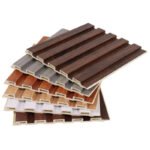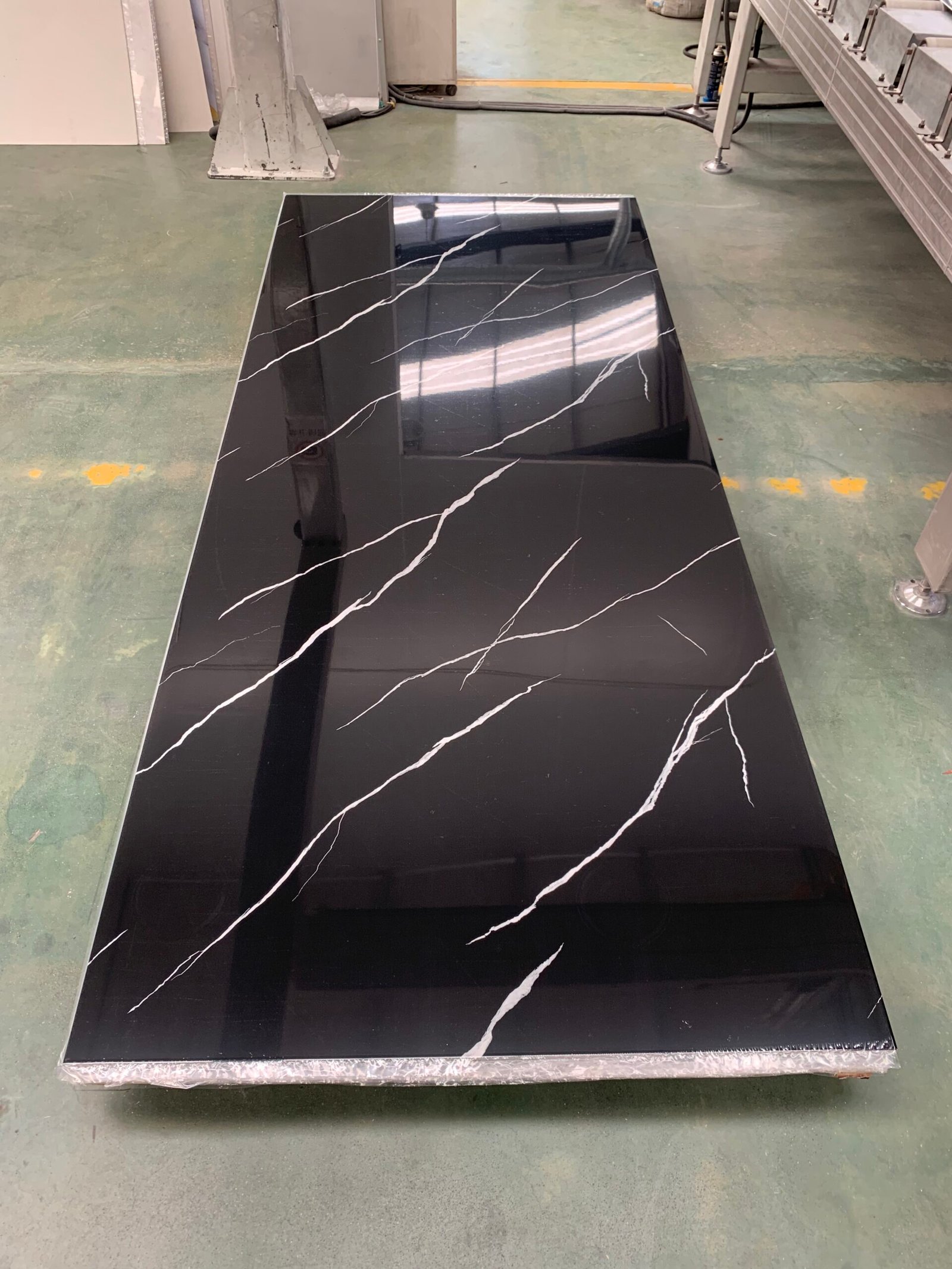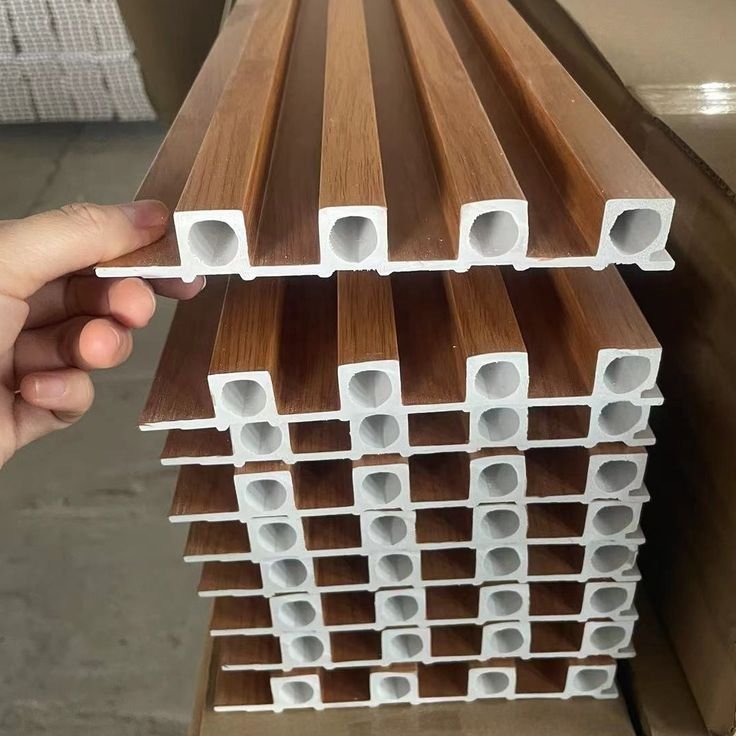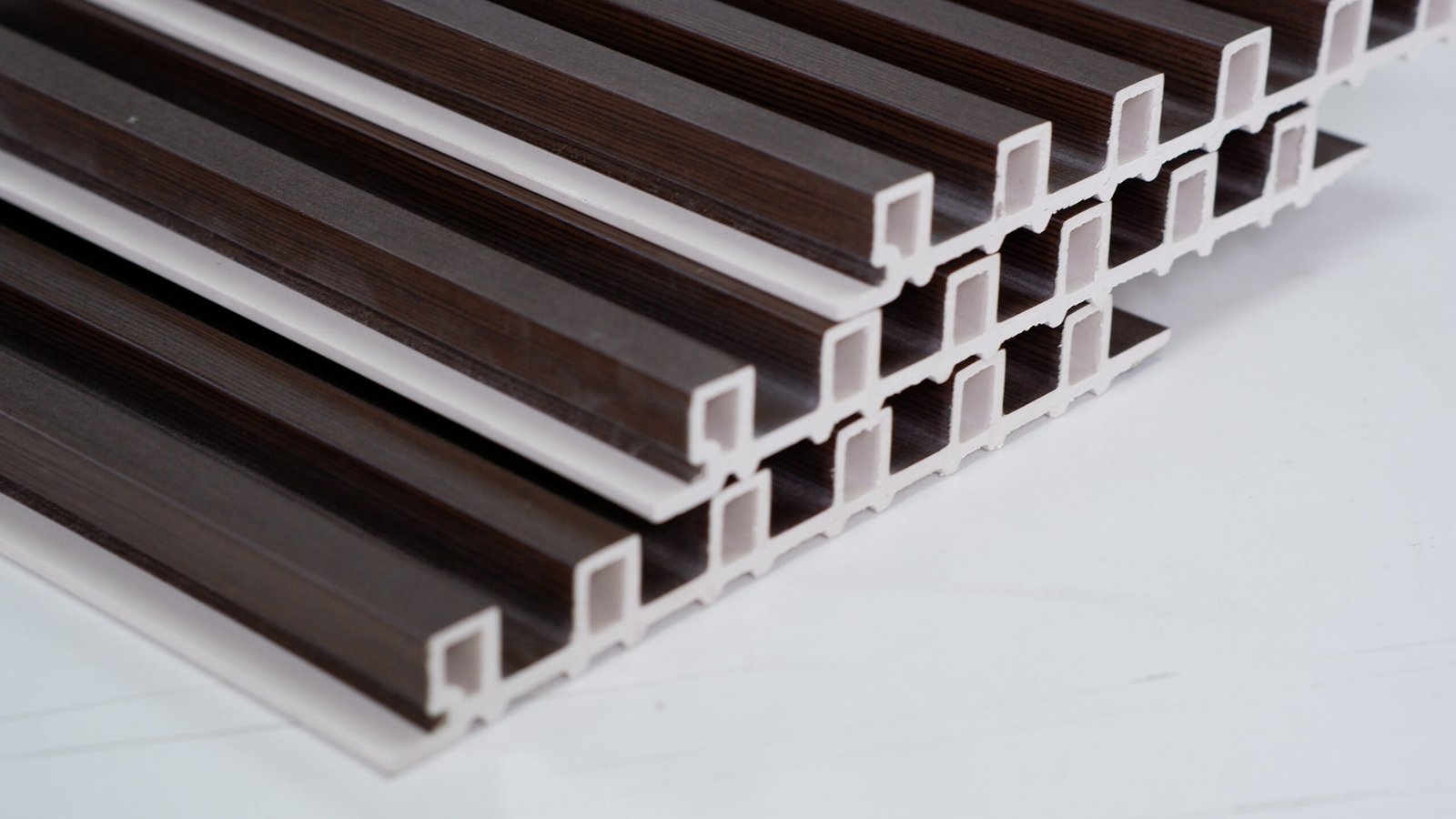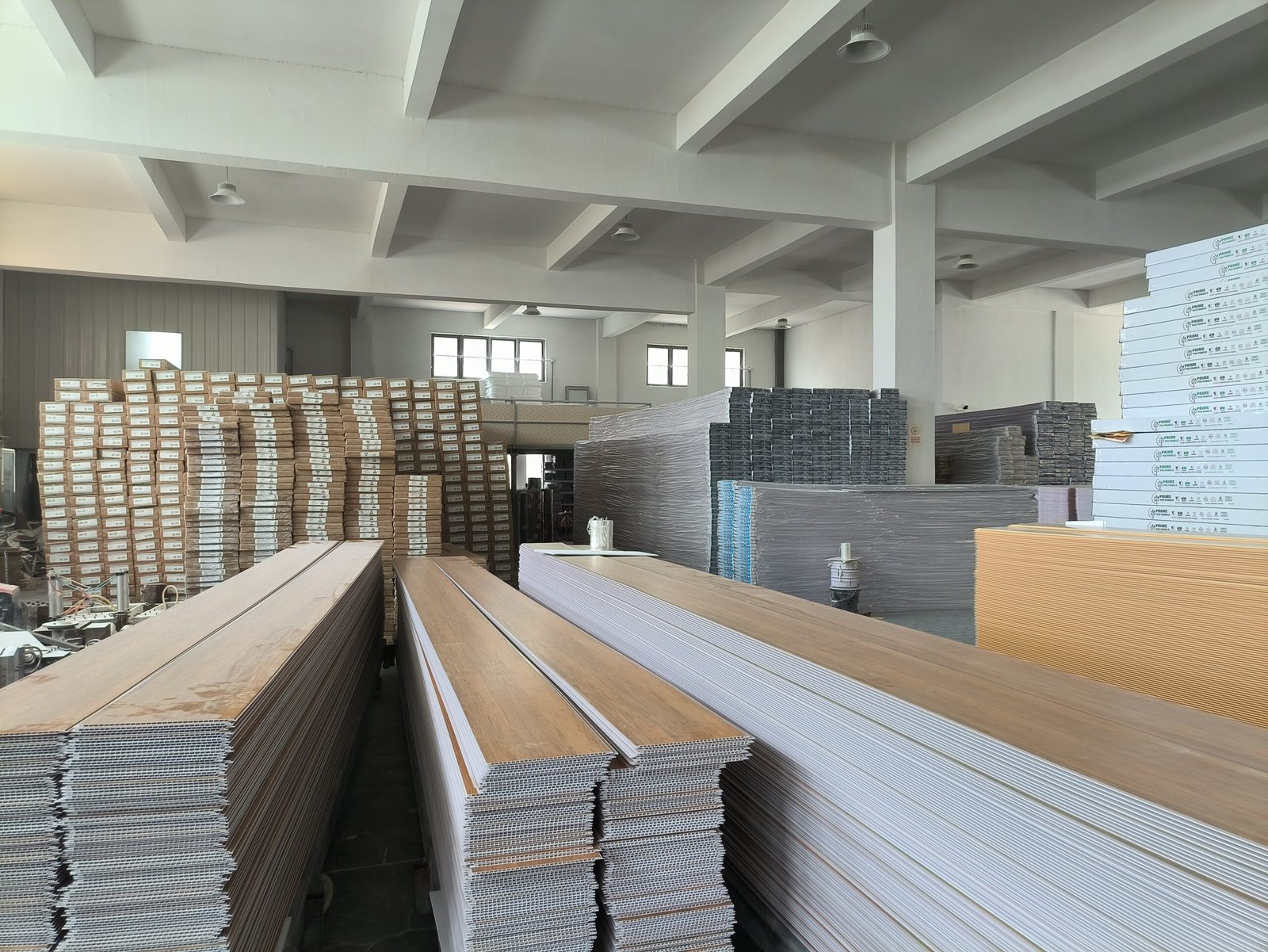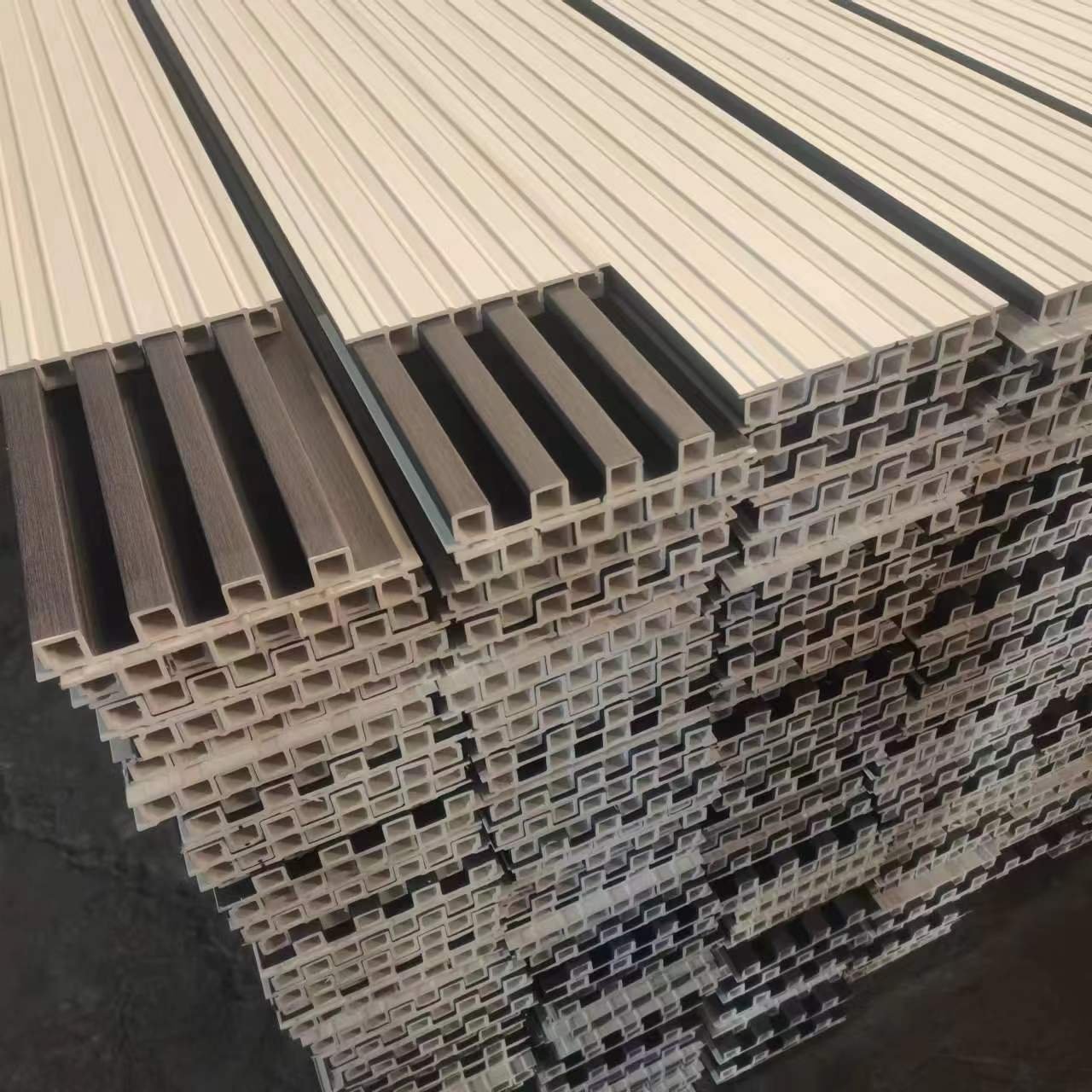
In the world of modern architecture and interior design, wall and floor cladding have evolved far beyond mere functional elements. They are now central to defining the aesthetic, ambiance, and performance of a space. Among the myriad of options available, WPC great wall panels have emerged as a superstar, offering a unique blend of durability, beauty, and sustainability.
But with terms like Indoor WPC great wall panels, Outdoor WPC Wall Panels, WPC Flooring, and 3D MDF Acoustic Panels, how do you determine which is right for your project? This comprehensive guide is designed to be your one-stop resource, helping you navigate the key differences, applications, and selection criteria for these innovative building materials.
Part 1: Understanding the Core Material – What is WPC?
Before we dive into the specifics, it’s crucial to understand the material that powers most of these products: WPC (Wood Plastic Composite).
WPC is a revolutionary material made from a blend of wood fibers/flour and thermoplastics (like PE, PP, or PVC), combined with a small amount of chemical additives. This fusion creates a product that boasts the best qualities of both wood and plastic:
- The Natural Aesthetic of Wood: It can be manufactured to have the authentic look, texture, and warmth of real wood.
- The Durability of Plastic: It is highly resistant to moisture, rot, insects, and cracking.
- Low Maintenance: Unlike natural wood, it doesn’t require regular painting, staining, or sealing.
- Eco-Friendly: It often utilizes recycled wood and plastic materials, reducing waste.
This fundamental composition makes WPC an exceptionally versatile material, perfectly suited for both interior and exterior applications.
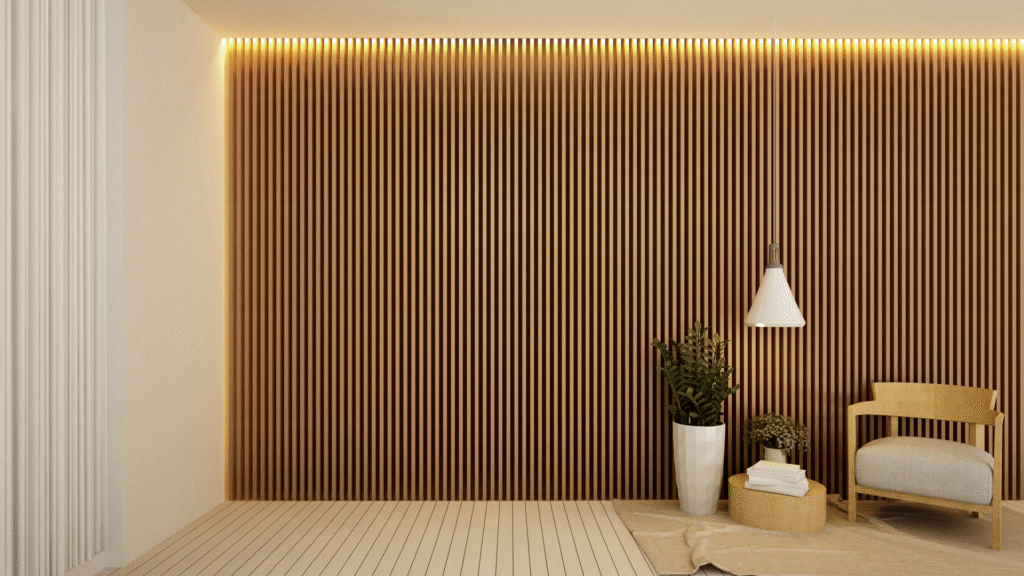
Part 2: Indoor WPC great wall panels – Beauty and Practicality for Interiors
Indoor WPC great wall panels are designed to enhance the interior spaces of your home or commercial property, such as living rooms, bedrooms, kitchens, bathrooms, and offices.
- Moisture proof: Suitable for high humidity areas such as kitchens and bathrooms. They are not easy to crack.
- Aesthetic Variety: Available in a vast array of colors, wood grains (oak, walnut, teak), and even modern solid colors to match any design scheme.
- Easy Installation: Most feature a tongue-and-groove or click-lock system, allowing for quick DIY or professional installation over existing walls, saving time and money on prep work.
- Easy to clean: Simply wipe gently with a damp cloth to keep it as new.
- Insulation: They provide a degree of thermal and acoustic insulation, adding comfort to your space.
How to Choose Indoor WPC great wall panels:
- Style & Color: Match the panel’s aesthetic to your desired interior design—be it rustic, modern, Scandinavian, or industrial.
- Room Function: For high-moisture areas, ensure the panels have a high water resistance rating.
- Surface quality: Look for panels with high-resolution printing layers and sturdy wear-resistant topcoats that can prevent scratches and fading.
- Density and Thickness: Higher density panels feel more substantial and offer better impact resistance.
Part 3: Outdoor WPC great wall panels – Defying the Elements
Outdoor wood plastic great wall panels have specialized design processes to adapt to harsh outdoor conditions while maintaining their aesthetic appeal. They are an ideal choice for exterior walls, fence screens, balcony facades, and garden decorations.
- Superior Weather Resistance: Formulated with enhanced UV stabilizers and waterproofing agents to resist fading, staining, and moisture penetration from rain, snow, and sun.
- High Impact Strength: They are tough and can withstand physical knocks and temperature fluctuations without cracking.
- Mold & Mildew Resistance: Treated to inhibit the growth of fungi and algae, which is crucial for damp or shaded outdoor areas.
- Ventilation: Many outdoor WPC panel systems are designed with a cavity behind them, promoting airflow that helps to dry out moisture and keep the building structure healthy.
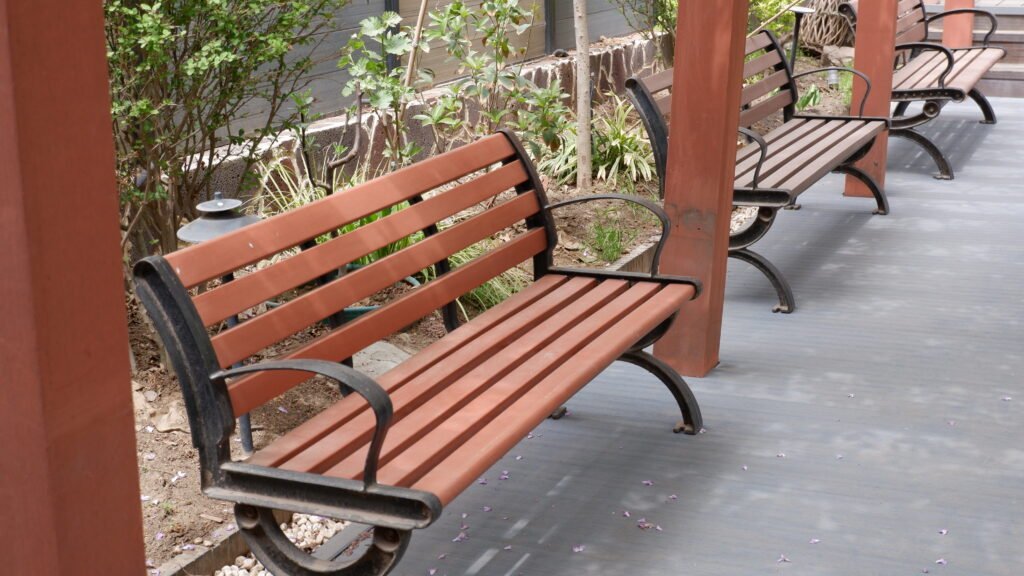
How to Choose Outdoor great wall panels:
- UV Protection: This is the most critical factor. Check the manufacturer’s specifications for UV resistance guarantees to ensure the color won’t fade quickly.
- Waterproof Rating: Look for a low water absorption rate (<1% is excellent).
- Fire Rating: For safety, especially in residential buildings, check the fire performance rating (e.g., Class B/B1).
- Structural Integrity: Ensure the panels are rigid enough for your specific application, especially if used in windy areas.
Part 4: WPC Flooring – The Durability Champion
While often discussed separately, WPC Flooring is a close relative of great wall panels and shares many of the same benefits. It’s a type of rigid core luxury vinyl flooring that uses a WPC core.
- 100% Waterproof: The WPC core is completely impervious to water, making it perfect for any room in the house, including basements.
- Underfoot Comfort: The composite core provides a softer, more comfortable feel underfoot compared to stone or ceramic tile.
- Durability: Highly resistant to dents, scratches, and wear from foot traffic, making it great for homes with pets and children.
- Easy Installation: Features a click-lock system for floating floor installations.
How to Choose WPC Flooring:
- Wear Layer Thickness: This transparent top layer determines durability. For residential use, a 12-20 mil wear layer is good for most areas; higher traffic areas may require 20+ mil.
- Design Realism: Choose a design with embossed textures that match the wood or stone grain for a more authentic look.
- AC Rating: For commercial use, check the Abrasion Class (AC) rating (AC3 for residential heavy traffic, AC4-AC5 for commercial).
Part 5: 3D MDF Acoustic Panels – The Sound Solution
While not made from WPC, 3D MDF Acoustic Panels are a fantastic complementary product often used alongside wall panels to create stunning feature walls with added functionality.
- Sound Absorption: These panels are designed with perforations and a 3D structure that traps and dampens sound waves, reducing echo and noise levels in a room.
- Aesthetic Drama: They create incredible visual depth and texture, serving as a focal point in any interior.
- Customization: Can be painted any color to fit the design theme.
- Material: Made from Medium-Density Fibreboard (MDF), an engineered wood product known for its smoothness and versatility.
How to Choose 3D MDF Acoustic Panels:
- NRC Rating: The Noise Reduction Coefficient (NRC) measures sound absorption. A higher NRC (e.g., 0.7-1.0) means better acoustic performance.
- Design Pattern: Choose a 3D pattern that complements the style of the room—geometric for modern, organic for natural, etc.
- Fire Safety: Ensure the MDF panels have a treated fire-retardant (FR) rating if required for your project.
- Installation: Consider whether they are pre-finished or require on-site painting and the method of installation (adhesive vs. mechanical fixing).
Part 6: The Selection Checklist – Your Step-by-Step Guide
Use this checklist to make an informed decision:
- When selecting the appropriate paneling, begin by clearly defining the application: determine whether it is intended for indoor or outdoor use and whether it will be installed on a wall or a floor. For an indoor wall, the optimal choice is an Indoor great wall panels, which combines aesthetic appeal with practical moisture resistance. If the project involves an outdoor wall, an Outdoor great wall panels is essential, as it is specifically engineered to withstand harsh weather conditions and UV exposure. For flooring applications, whether indoor or outdoor, WPC Flooring offers a durable, completely waterproof, and comfortable underfoot solution. Lastly, if the goal is to enhance an indoor wall while also achieving sound control, the ideal product is a 3D MDF Acoustic Panel, which provides both dramatic visual texture and functional noise reduction.
- Set Your Performance Requirements:
Moisture: Will it be in a wet area? (Choose WPC with a high waterproof rating).
Sunlight: Will it be exposed to direct sun? (Choose Outdoor WPC with UV stabilizers).
Sound: Do you need to reduce echo? (Choose perforated MDF Acoustic Panels).
Durability: What level of traffic will it endure? (Check wear layer for floors, density for walls).
- Choose Your Aesthetic: Select the color, texture, and pattern that aligns with your design vision. Order samples to see how the material looks and feels in your actual space with its lighting.
- Verify Quality and Certifications: Look for reputable suppliers that provide product specifications, warranties, and relevant certifications for fire safety (e.g., ASTM E84), environmental standards, and quality management (e.g., ISO 9001).
- Consider Installation: Evaluate if the installation system is DIY-friendly or if you need a professional. Factor this into your overall budget.
Conclusion: Building Beautifully and Smartly
The world of cladding materials offers incredible possibilities to transform any space. WPC Wall Panels (both indoor and outdoor) and WPC Flooring provide a robust, low-maintenance, and beautiful solution that merges the best of nature and technology. When paired with the dramatic and functional 3D MDF Acoustic Panels, you have a powerful toolkit to create spaces that are not only visually stunning but also comfortable and durable.
By understanding the unique properties and ideal applications of each product, you can make confident choices that ensure your project is a resounding success, both in form and function. Invest in the right materials, and enjoy the beauty and benefits for years to come.


 903 Yuntong Building, 3285 Shengxin Road, Shanghai, China