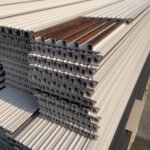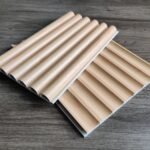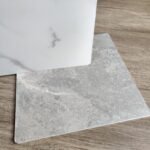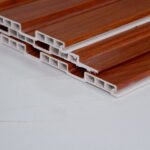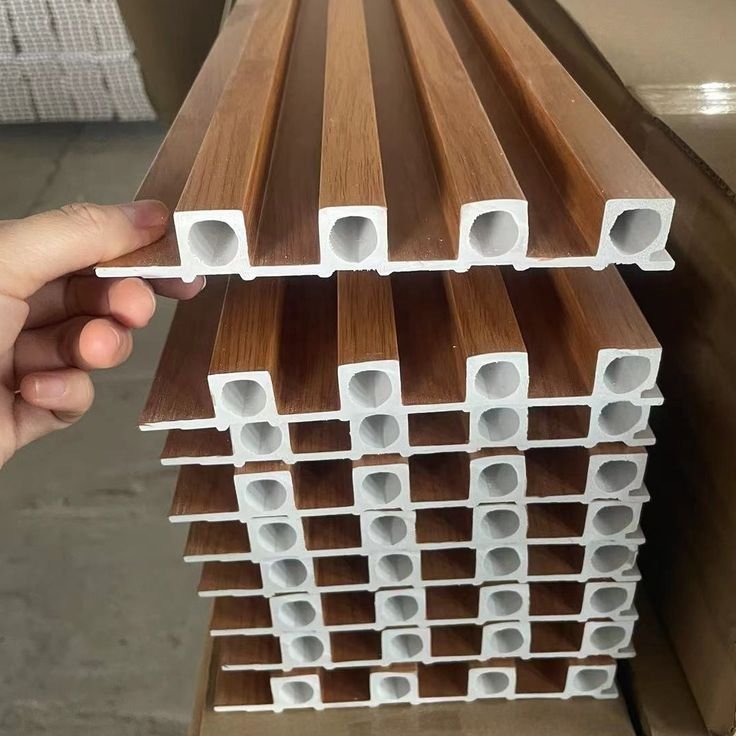
In today’s rapidly evolving construction and interior design landscape, innovation continues to reshape our built environments. Among the most exciting developments in recent years is the emergence of Wood Plastic Composite (WPC) wall panels as a premier cladding solution. This revolutionary material combines the best properties of wood and polymer to create a product that outperforms traditional options in nearly every category.
Whether you’re an architect, contractor, homeowner, or property developer, understanding the advantages of WPC wall panels is essential for making informed decisions about your projects. Here are seven compelling reasons why WPC wall panels should be your top choice for interior and exterior applications.
1. Exceptional Durability and Longevity
WPC wall panels are engineered to withstand the test of time, offering superior performance compared to traditional wood or pure plastic alternatives. The unique composition of wood fibers and thermoplastics creates a material that resists many common issues that plague other wall covering options.
Unlike natural wood, WPC panels won’t rot, decay, or splinter over time. They’re impervious to insect damage, including termites and wood-boring beetles that can compromise structural integrity and appearance. This resistance to biological degradation makes WPC particularly valuable in humid climates or applications where moisture exposure is inevitable.
The durability of WPC extends to impact resistance as well. These panels maintain their structural integrity when subjected to accidental impacts that would dent aluminum or crack vinyl siding. This toughness translates to reduced maintenance costs and longer intervals between replacements, providing excellent lifetime value.
2. Superior Moisture Resistance
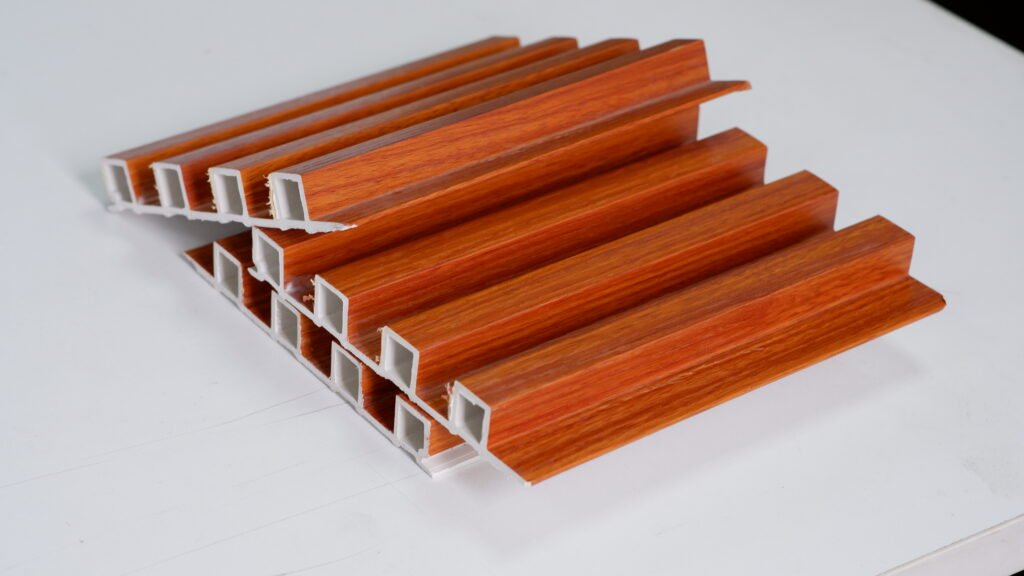
One of the most significant advantages of WPC wall panels is their exceptional performance in wet environments. Traditional wood products absorb moisture, leading to swelling, warping, mold growth, and eventual deterioration. WPC panels, by contrast, feature extremely low water absorption rates—typically less than 1% compared to 10-30% for untreated wood.
This moisture resistance makes WPC ideal for bathrooms, kitchens, laundry rooms, saunas, and exterior applications in rainy climates. The material won’t support mold or mildew growth, contributing to healthier indoor air quality and reducing allergens in the living environment.
For commercial applications such as swimming pool enclosures, spas, or food processing facilities, WPC’s moisture resistance proves particularly valuable. The panels maintain their dimensional stability and appearance even when exposed to constant high humidity and direct water contact.
3. Minimal Maintenance Requirements
The low-maintenance nature of WPC wall panels represents a significant advantage over traditional materials. Unlike wood, which requires regular painting, staining, or sealing to maintain its appearance and protection, WPC panels need only occasional cleaning with soap and water to look their best.
The color consistency of WPC throughout the material eliminates concerns about scratches revealing a different substrate color underneath. Many WPC products feature co-extruded protective layers that shield against UV damage, preventing fading and ensuring the color remains vibrant for years without additional protective coatings.
This minimal maintenance requirement translates to substantial time and cost savings over the life of the installation. Property owners can avoid the recurring expense of repainting or resealing, while contractors can recommend a product that won’t generate callbacks for maintenance issues.
4. Environmental Sustainability
In an era of increasing environmental awareness, WPC wall panels offer compelling ecological advantages. Most WPC products incorporate recycled materials, including reclaimed wood fibers and post-consumer or post-industrial plastics that would otherwise enter landfills.
The manufacturing process for WPC typically consumes less energy than producing alternative materials like vinyl siding or aluminum panels. Additionally, WPC’s longevity means reduced replacement frequency, further diminishing its environmental footprint over time.
Unlike wood harvesting, which can contribute to deforestation, WPC production relies on fast-growing plantation wood or waste wood products, helping to preserve old-growth forests. Many manufacturers have implemented closed-loop water systems and energy-efficient production methods to minimize environmental impact further.
At the end of their long service life, WPC panels can often be recycled again, contributing to a circular economy model that reduces waste and conserves resources.
5. Versatile Aesthetic Applications
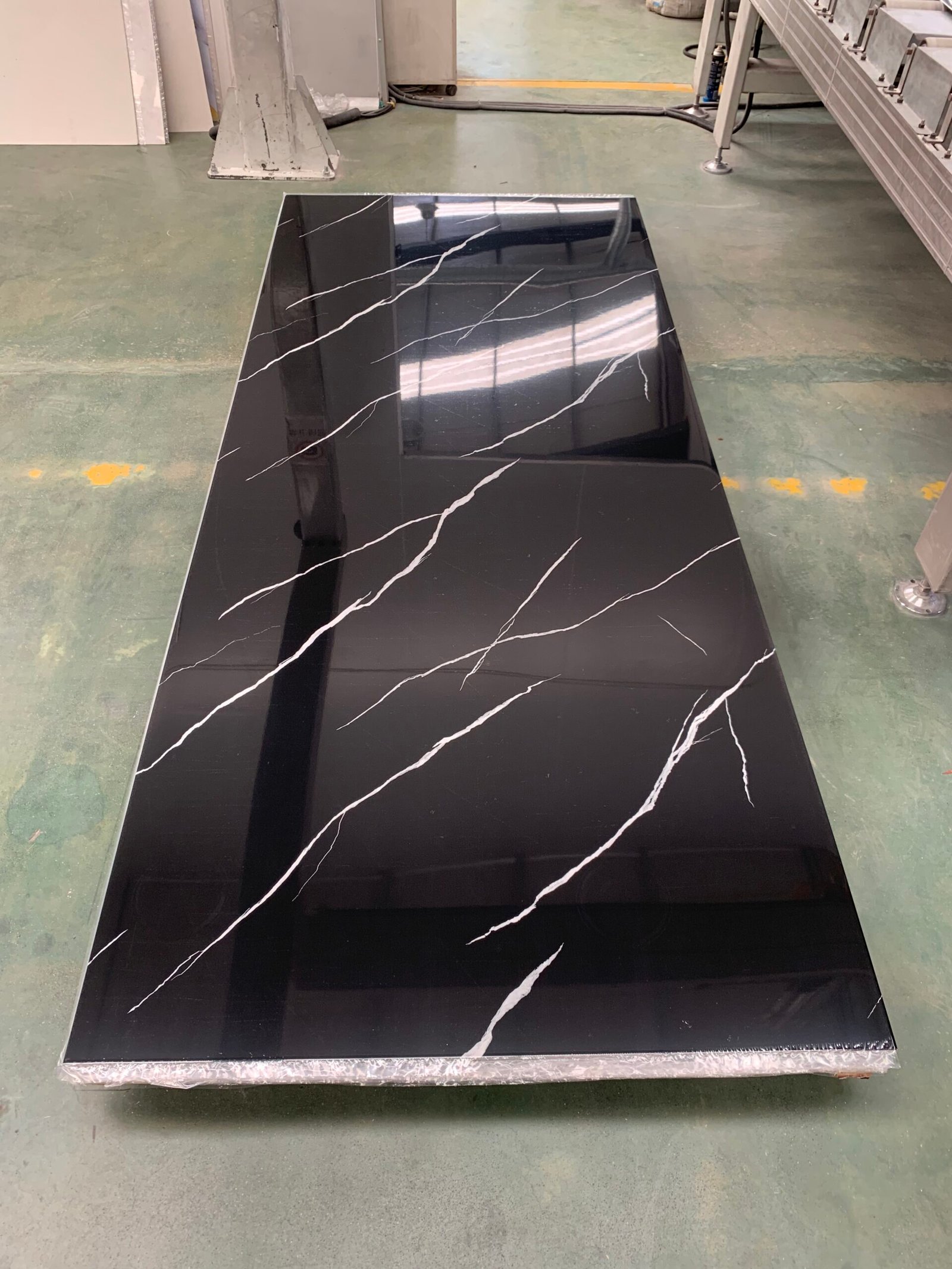
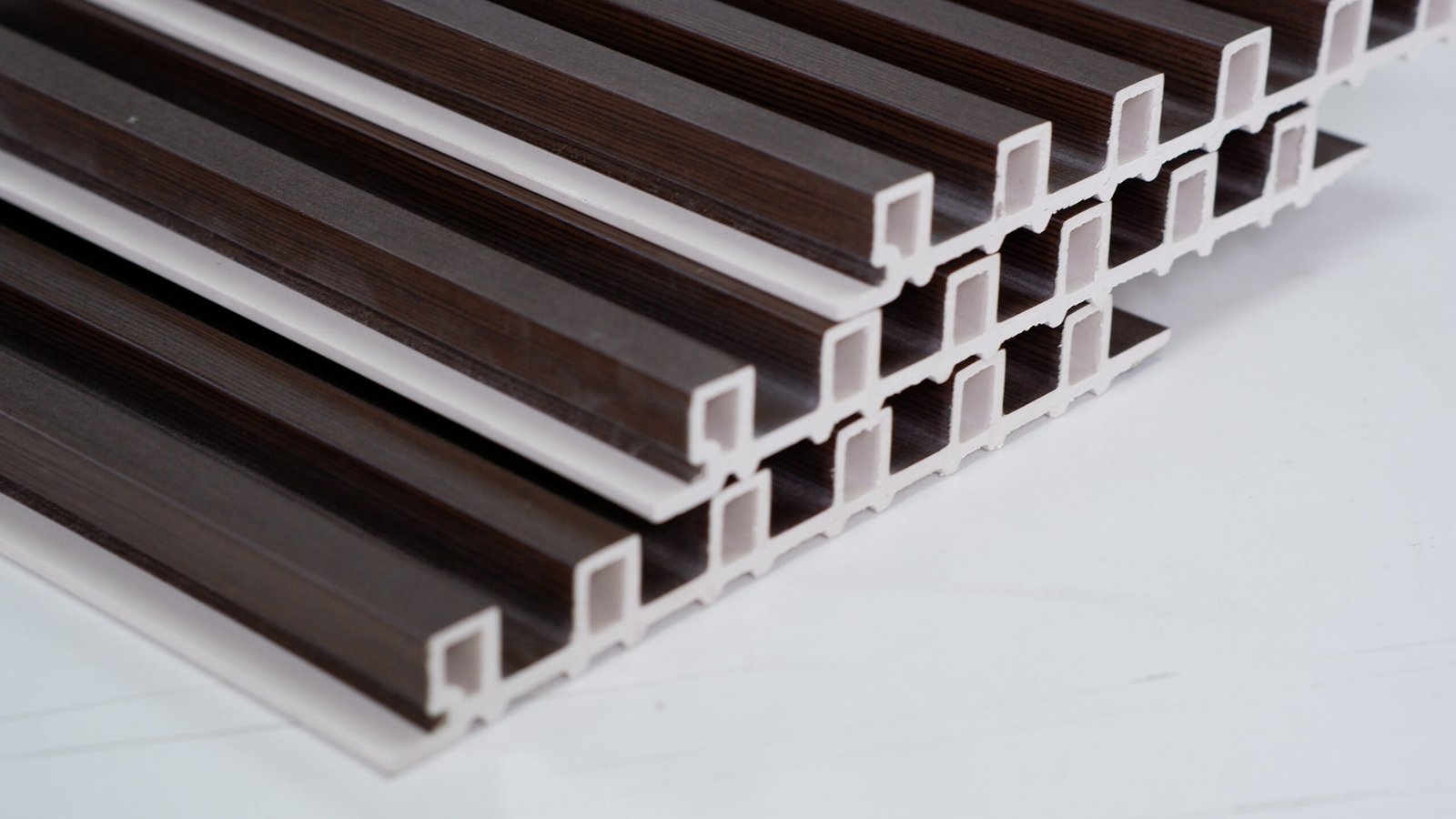
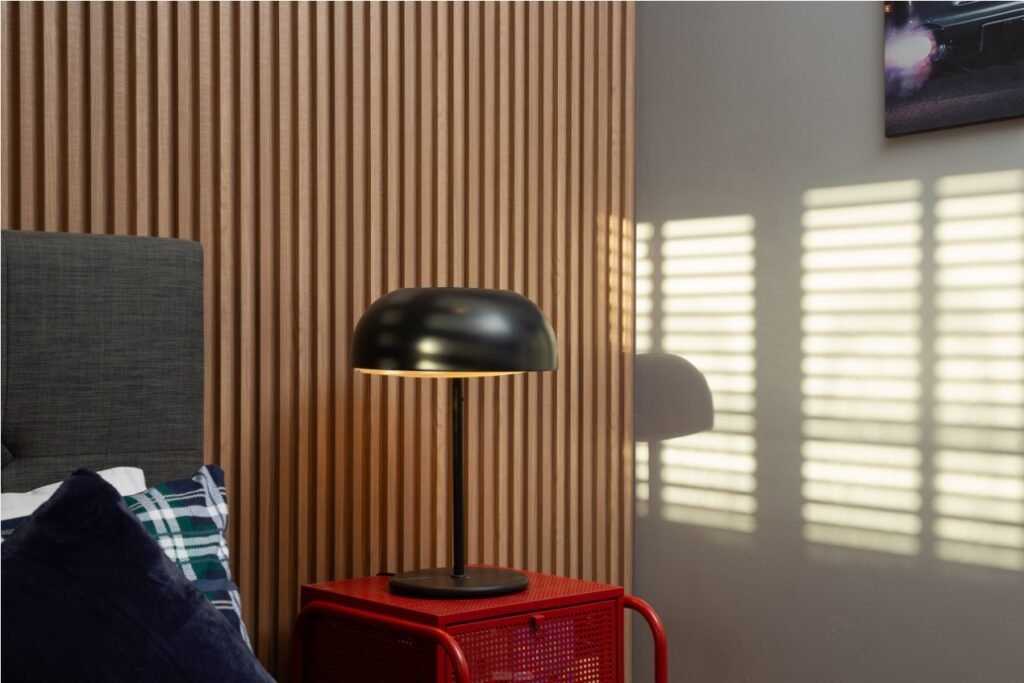
WPC wall panels offer remarkable design flexibility, available in a wide range of colors, textures, and profiles to suit diverse architectural styles. Advanced manufacturing techniques allow for realistic wood grain patterns that closely mimic expensive hardwoods without the maintenance concerns.
The consistency of WPC products ensures uniform appearance across batches, eliminating the color variations sometimes encountered with natural products. This consistency simplifies large projects where multiple production runs might be necessary.
Designers can choose from various installation systems, including tongue-and-groove, shiplap, or panel-to-panel connecting systems that create seamless appearances. The panels can be installed vertically, horizontally, or even diagonally to create unique visual effects.
For commercial spaces requiring specific aesthetic appeals, many manufacturers offer custom color matching services, allowing WPC to integrate seamlessly with brand colors or design schemes.
6. Easy and Efficient Installation
WPC wall panels are designed with installation efficiency in mind. Many systems feature interlocking mechanisms that simplify alignment and secure attachment without specialized tools or skills. The lightweight nature of WPC compared to traditional materials like brick, stone, or cement board reduces structural support requirements and makes handling easier.
The precision manufacturing of WPC panels ensures consistent dimensions, eliminating the fitting issues sometimes encountered with natural materials that may vary slightly from piece to piece. This consistency speeds up installation and reduces waste from mis-cuts or fitting problems.
For retrofit applications, WPC panels can often be installed directly over existing surfaces in many cases, eliminating demolition and disposal costs. The installation process typically generates less dust and debris than many alternatives, making it particularly advantageous for occupied facilities.
7. Excellent Thermal and Acoustic Properties
Beyond their visual and protective functions, WPC wall panels offer functional benefits that enhance comfort and efficiency. The composite structure provides better thermal insulation than many traditional siding materials, contributing to energy efficiency in buildings.
This thermal resistance helps maintain consistent interior temperatures, reducing heating and cooling costs. In extreme climates, this property can significantly impact energy consumption and comfort levels.
WPC panels also offer superior acoustic performance compared to many thin wall coverings. The density and composition of the material help dampen sound transmission, making it valuable for reducing noise pollution in urban environments or creating quieter interior spaces in commercial and multi-family residential buildings.
Applications Across Industries
The diverse benefits of WPC wall panels make them suitable for numerous applications:
The diverse benefits of WPC wall panels make them suitable for a wide range of applications across various environments and industries. Their unique combination of durability, aesthetic flexibility, moisture resistance, and ease of installation allows them to meet both functional and decorative demands in numerous settings.
In residential contexts, WPC wall panels are extensively used for exterior siding and cladding due to their weather-resistant properties and minimal maintenance requirements. They are also a popular choice for interior applications such as feature walls, where their realistic wood-like appearance enhances visual appeal without the drawbacks of natural wood. Additionally, they are ideal for high-moisture areas like bathrooms and kitchens, where their resistance to water and humidity prevents warping and mold growth. Beyond interior and exterior walls, WPC panels are commonly employed for balcony and patio enclosures, as well as for fencing and privacy screens, providing long-lasting and aesthetically pleasing solutions for outdoor living spaces.
Within commercial environments, WPC wall panels offer both practical and aesthetic advantages. In the hospitality industry, they are frequently used in hotel lobbies and corridors, where their durability withstands high foot traffic while maintaining an upscale appearance. Restaurants utilize these panels for both interior and exterior surfaces, benefiting from their ease of cleaning and resistance to moisture and odors.
Retail spaces often incorporate WPC in display fixtures and store interiors, taking advantage of their design versatility to create branded environments. Office buildings use them for exterior cladding and interior partitions, combining functionality with modern aesthetics. Healthcare facilities also benefit from the hygienic, non-porous surfaces of WPC panels, which are resistant to moisture and easy to sanitize, making them suitable for walls in patient rooms, corridors, and common areas.
WPC panels also serve specialized installation needs where conventional materials may fall short. In marine environments such as poolside areas and docks, their exceptional resistance to water, salt, and UV exposure ensures longevity and retains appearance despite constant exposure to harsh conditions. They are equally valuable in high-humidity processing facilities where moisture resistance and structural integrity are critical. For temporary or semi-permanent applications, such as exhibition stands and temporary structures, WPC panels provide a lightweight yet durable solution that is easy to install and dismantle. Furthermore, their inherent density and composition make them effective as sound barriers along transportation corridors, helping to reduce noise pollution in urban and residential areas adjacent to highways and railways.
The Future of WPC Technology
The WPC industry continues to innovate, with developments focusing on enhanced performance characteristics and expanded applications. Recent advancements include:
– Improved UV stabilizers for even better color retention
– Antimicrobial additives for healthcare and food service environments
– Enhanced fire retardant properties for better safety performance
– Texturing technologies that more closely replicate natural materials
– Integration with building information modeling (BIM) systems for easier specification
As manufacturing processes become more refined and sustainable, we can expect WPC products to continue displacing traditional materials across an expanding range of applications.
Conclusion: The Smart Choice for Modern Construction
WPC wall panels represent a convergence of aesthetics, performance, and sustainability that makes them an increasingly preferred choice for discerning architects, contractors, and property owners. Their unique combination of durability, low maintenance, environmental benefits, and design flexibility positions them as a superior alternative to traditional wall covering materials.
By choosing WPC panels for your next project, you’re not just selecting a wall covering—you’re investing in long-term performance, reduced lifetime costs, and enhanced environmental responsibility. As the construction industry continues to prioritize materials that offer multiple benefits without compromise, WPC wall panels stand out as a solution that delivers on all fronts.
Whether you’re renovating a single room or designing a large commercial complex, consider how WPC wall panels can help you achieve your aesthetic vision while meeting practical performance requirements. This innovative material truly represents the future of surfacing solutions—beautiful, durable, and designed for the demands of modern living.


 903 Yuntong Building, 3285 Shengxin Road, Shanghai, China