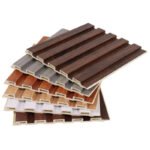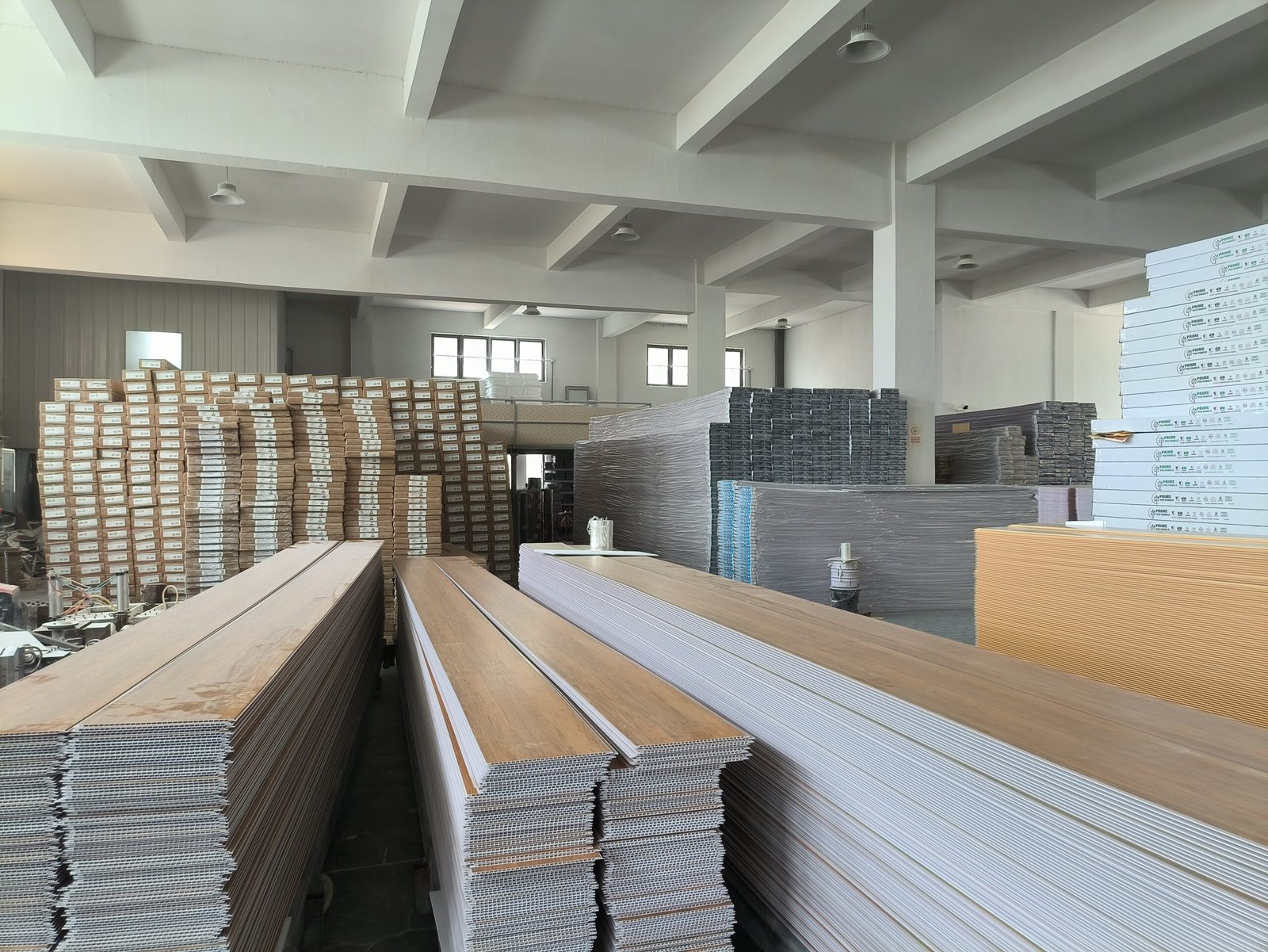
As a budget-conscious international buyer, importer, or construction project manager, you have likely encountered a perplexing phenomenon when sourcing Wood-Plastic Composite wall panels: seemingly similar products come with vastly different price tags. The price range can be incredibly wide, from a few dollars to several dozen dollars per square meter. What is the reason behind this? Are suppliers arbitrarily setting prices?
The answer is no. The price of WPC wall panels is not plucked from thin air; it is precisely determined by a series of complex and interconnected factors. Understanding these factors will not only help you make more informed purchasing decisions and avoid “low-price traps” but also allow you to precisely identify the best product that meets your project needs and budget.
This article will provide an in-depth analysis of the seven core factors that determine the price of WPC wall panels, taking you through the entire process from raw materials and production technology to logistics services, enabling you to fully understand the secrets behind the pricing.
Factor One: Raw Material Costs – The Foundation of Price
Raw materials constitute the most core part of WPC wall panels costs, typically accounting for 50% to 70% of the total cost. The ratio and quality of its main components directly determine the base price of the product.
Type and Proportion of Plastic Components:
- Virgin vs. Recycled Material: This is the biggest price differentiator. WPC boards produced using virgin high-density polyethylene or polypropylene offer uniform color, high strength, and long lifespan, but at a significantly higher cost. Using recycled plastic (e.g., from packaging bags, bottles) can substantially reduce costs but may lead to color inconsistency, performance variations, and potential odor.
- Plastic Type: PE (Polyethylene) and PP (Polypropylene) are common choices. PVC (Polyvinyl Chloride) based WPC is a higher-end category, generally offering better fire resistance, weather resistance, and surface finish, hence commanding a higher price.
Quality and Processing of Wood Flour/Wood Fibers:
- Wood Species: Commonly used materials include wood flour, bamboo flour, rice husk, etc. The fineness, purity, and fiber length of the wood flour affect the final product’s mechanical properties and surface texture. Fine, sieved pure wood flour costs more than rough, mixed wood flour.
- Moisture Control: Wood flour must undergo strict drying processes before production to reduce moisture content to very low levels (e.g., 1%-2%). Improperly treated wood flour can cause product blistering and deformation, while advanced drying equipment adds cost.
Additive Formulations – The “Secret Sauce”:
- Coupling Agents: These are key additives used to improve the bonding force between hydrophobic plastic and hydrophilic wood flour. High-quality coupling agents are expensive but significantly enhance the product’s strength, water resistance, and anti-aging properties.
- Foaming Agents: Used to create a microcellular structure, making the board lighter and more flexible. Imported foaming agents offer stable performance but at a higher cost.
- Antioxidants, UV Stabilizers, Colorants, etc.: These additives determine the product’s weather resistance, fade resistance, and color stability. Top-tier WPC wall panels for outdoor use must contain sufficient high-quality UV inhibitors, a cost that should not be underestimated.
Factor Two: WPC Wall Panels Technology and Equipment – The Forge of Quality
“The mechanic, who wishes to do his work well, must first sharpen his tools.” The same formula, with different equipment and processes, can result in finished products with vastly different performance and appearance.
Extrusion Equipment and Technology:
- Parallel Twin-Screw vs. Conical Twin-Screw: Parallel twin-screw extruders offer more uniform mixing, higher output efficiency, and are suitable for high-quality WPC production, but require huge equipment investment. Conical twin-screw extruders have a lower cost but slightly inferior mixing effect and output stability.
- Vacuum Calibration and Cooling Systems: Advanced vacuum calibration tables and segmented cooling systems ensure precise board dimensions, low internal stress, and reduced warping. Simple cooling methods increase the risk of product deformation.
Mold Precision:
Molds are core to imparting the final shape and surface texture to WPC wall panels. High-precision, wear-resistant alloy steel molds have extremely high initial costs but can produce panels with clear, realistic wood-like textures and have a long lifespan. Cheap molds wear out quickly, leading to smooth surfaces and blurred textures on the product.
Surface Treatment Processes:
- Co-extrusion Technology: This is the hallmark of high-end WPC wall panels. By co-extruding a layer of pure plastic or a specially formulated wear-resistant layer onto the substrate, a fully encapsulated protective film is created. This film greatly enhances the product’s scratch resistance, stain resistance, and weather resistance, and offers a richer choice of colors and textures, but the process is complex and adds significant cost.
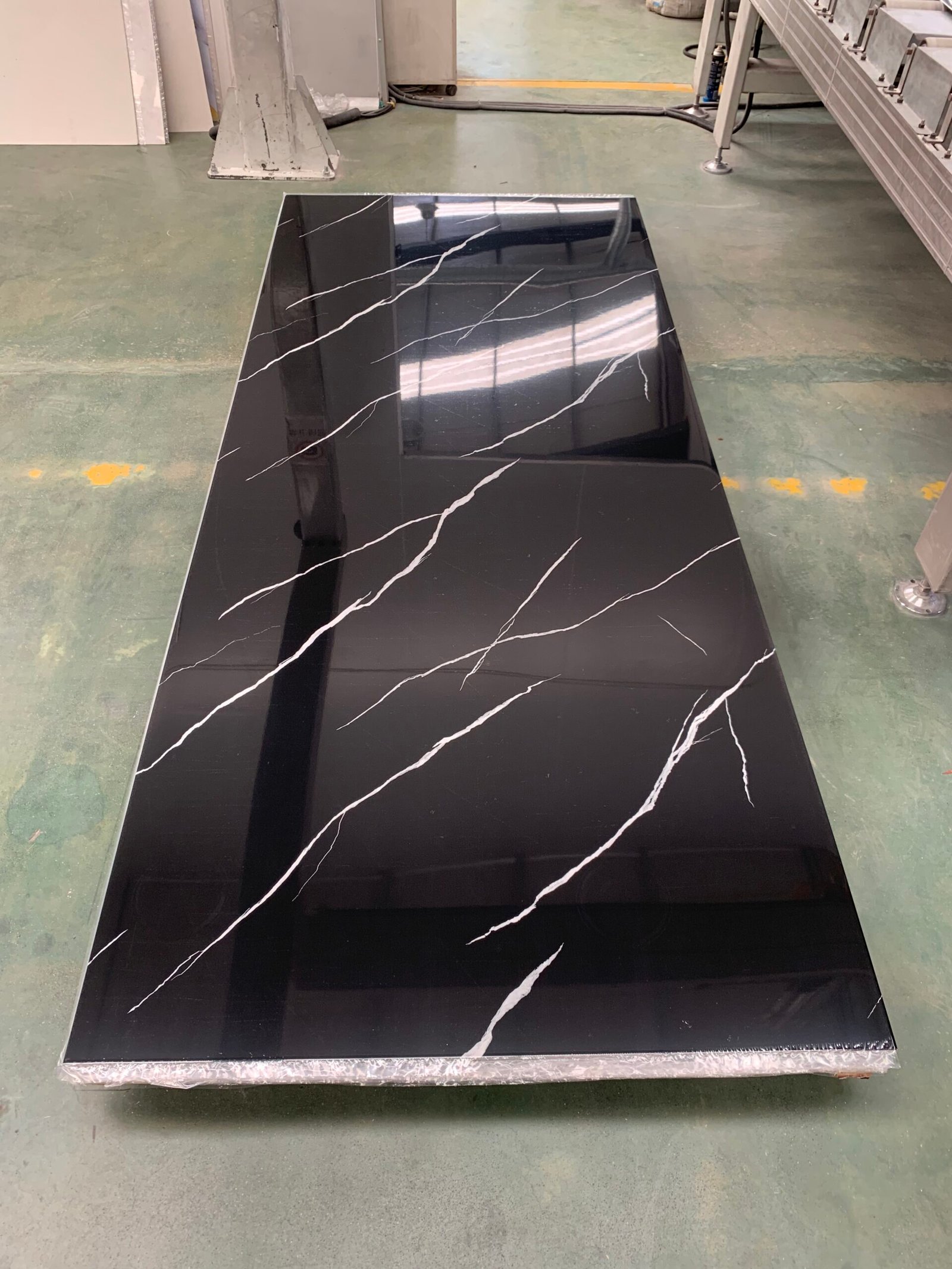
- Lamination Technology: Applying a PVC/PET decorative film to the formed panel can imitate various effects like wood grain and stone patterns. The quality of the film (thickness, UV resistance grade) directly affects the price and durability.
- Brushing/Embossing: Simple surface embossing or brushing treatments are relatively low-cost.
Factor Three: WPC Wall Panels Specifications and Design – The Visual Representation of Value
The physical attributes and aesthetic design of the product are directly linked to its application scenarios and price positioning.
Panel Size and Thickness:
Thicker, wider, and longer panels consume more raw materials, naturally leading to a higher price. For example, a 12mm thick board will certainly be more expensive than an 8mm thick one.
Hollow Structure vs. Solid Structure:
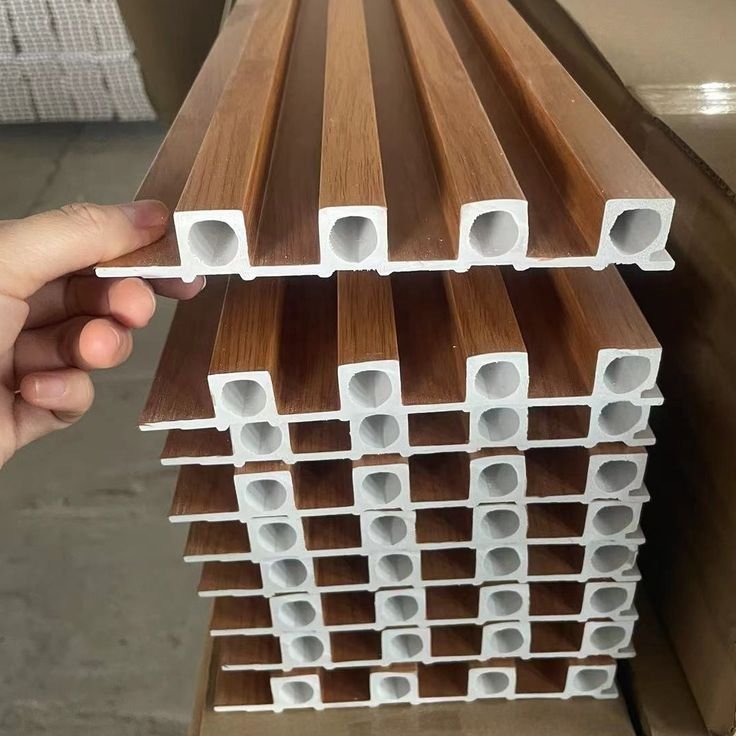
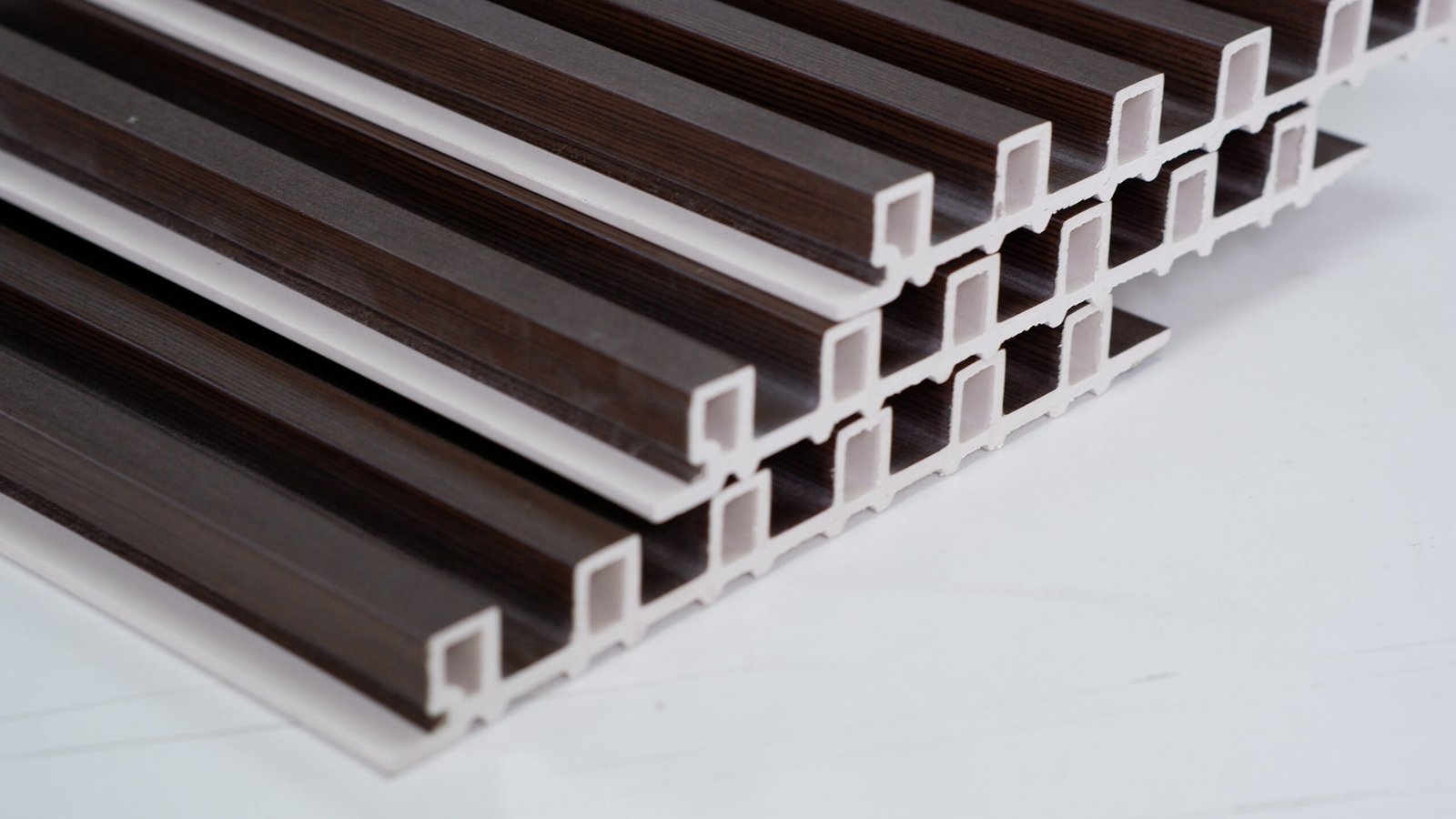
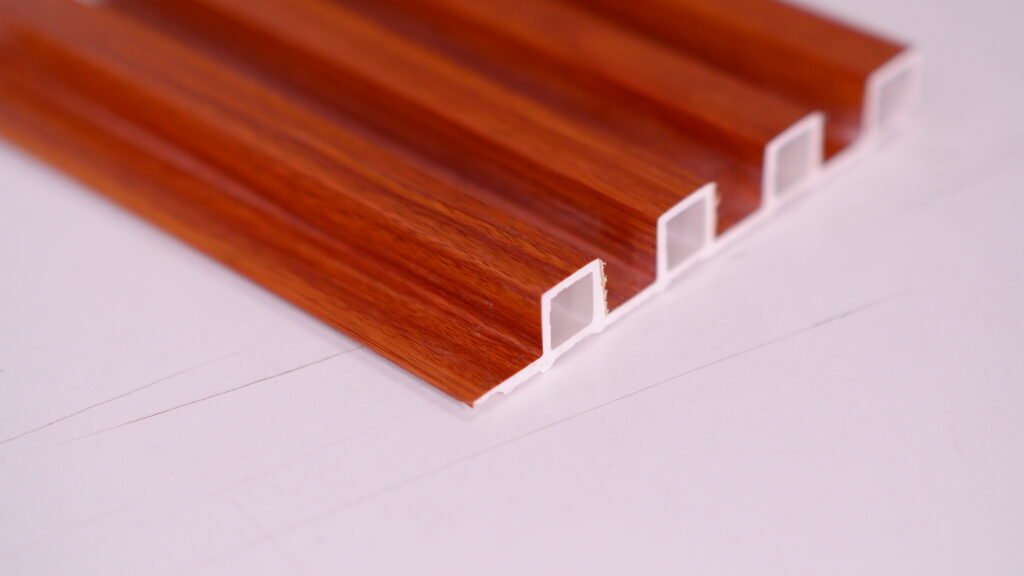
Multi-chamber hollow structures save material, are lightweight, and easy to install, resulting in lower costs. Solid or micro-foamed solid structures feel more substantial, offer better sound insulation, higher strength, and are also more expensive.
Design Complexity and Intellectual Property:
Unique antique, 3D, or special-shaped designs require complex molds and R&D investment. Branded products with independent design patents have prices that include design value, far exceeding those of commonly available designs.
Factor Four:WPC Wall Panels Brand and Certifications – The Guarantee of Reputation
For buyers focused on long-term cooperation and project quality, brand and certifications are premium factors that cannot be ignored.
- Brand Value: Well-known brands invest more in R&D, quality control, and after-sales service. Their products offer guaranteed reliability and consistency, and the price naturally includes a brand premium.
- International Certifications: Such as US ICC-ES evaluation reports, the EU’s CE marking, the UK’s UKCA marking, and green building certifications like LEED. Obtaining these certifications requires rigorous third-party testing and factory audits, a process that is time-consuming and costly. However, they are “passports” for products entering high-end markets, especially in Europe and America, and can significantly enhance product value.
Factor Five: Order Quantity and Supply Chain – The Economies of Scale
This is a classic principle of economics in foreign trade procurement.
- Order Quantity (MOQ): Large-volume orders can amortize costs related to mold amortization, equipment setup, per-unit management, and production costs. Therefore, suppliers usually offer highly competitive unit prices for large orders.
- Supply Chain Stability: Factories with long-term stable cooperative relationships with upstream raw material suppliers can obtain better purchase prices and effectively resist market price fluctuations, thus offering more stable quotations to customers.
Factor Six: Logistics and Trade Terms – The Hidden Costs
Logistics costs are a significant component of the final landed price, from the factory to the job site.
Shipping Method:
- Sea Freight vs. Air Freight: WPC wall panels are bulky and not lightweight, so sea freight is commonly used. Sea freight costs are calculated per container and are greatly affected by shipping routes, fuel prices, and peak/off-peak seasons. Air freight is extremely costly and only suitable for very small quantities of urgent samples.
Packaging Method:
- Sturdy cartons, pallets, and stretch film packaging effectively protect products from damage during long-distance transportation but increase packaging costs. Simple packaging carries higher risks.
International Commercial Terms (Incoterms):
- EXW (Ex Works): The price is lowest, but the buyer is responsible for all costs and risks from collecting the goods at the factory onwards.
- FOB (Free On Board): The seller covers costs to get the goods to the port of shipment; the buyer is responsible for the main carriage (sea freight) and freight cost.
- CIF (Cost, Insurance and Freight): The price includes the cost of goods, insurance, and freight to the named port of destination. This is one of the most common terms; the price appears higher, but it offers convenience and certainty to the buyer.
- DDP (Delivered Duty Paid): The price is highest; the seller is responsible for all costs and risks, including customs clearance and taxes at the destination port, delivering the goods directly to the buyer’s named place.
Factor Seven: Market and Exchange Rates – Macroeconomic Fluctuations
The global macroeconomic environment also influences your procurement costs.
- Raw Material Market Prices: Fluctuations in oil prices directly affect the cost of virgin plastic pellets. Wood flour supply is influenced by forestry policies and seasons.
- Exchange Rate Fluctuations: If you are sourcing from manufacturing hubs like China, changes in the exchange rate between the Renminbi and your local currency (e.g., USD, EUR) will directly impact your final payment amount.
- Supply-Demand Dynamics and Policies: Global real estate market conditions, tightening environmental policies, and tariff changes can all affect the market price of WPC wall panels at a macro level.
Practical Advice for International Buyers
Define Requirements, Procure Accordingly: Don’t just chase the lowest price. First, clarify your project’s application scenario (indoor/outdoor, commercial/residential), budget, and durability requirements. Indoor decoration might not need top-tier UV inhibitors, while exterior walls for a beachfront villa must choose co-extruded, weather-resistant products.
Request Detailed Quotations: Ask suppliers to provide itemized quotes, including unit price, packaging fee, freight costs, etc., for clear comparison.
Request Samples: “Seeing is believing.” Samples provide the most direct reflection of the product’s texture, color, weight, and workmanship. Conduct comparative tests on samples at different price points, such as water immersion, sun exposure, and scratch tests.
Verify Factory Qualifications and Certifications: Inquire about the factory’s production capacity, whether they have relevant certifications for your target export market, and even consider requesting a video factory audit.
Establish Long-Term Cooperative Relationships: Building a long-term partnership with a reliable supplier not only secures more stable prices and priority production capacity but also yields greater support in product development and after-sales service.
WPC Wall Panels Conclusion
The price of WPC wall panels is a multi-faceted prism, reflecting everything from the micro-level raw material formulation to the macro-level market environment. A low price might mean compromises have been made where you can’t see them, while a high price represents guarantees of quality, technology, and service. As a professional international buyer, your task is not to find the cheapest product, but to find the solution with the highest cost-performance ratio for your specific needs.


 903 Yuntong Building, 3285 Shengxin Road, Shanghai, China