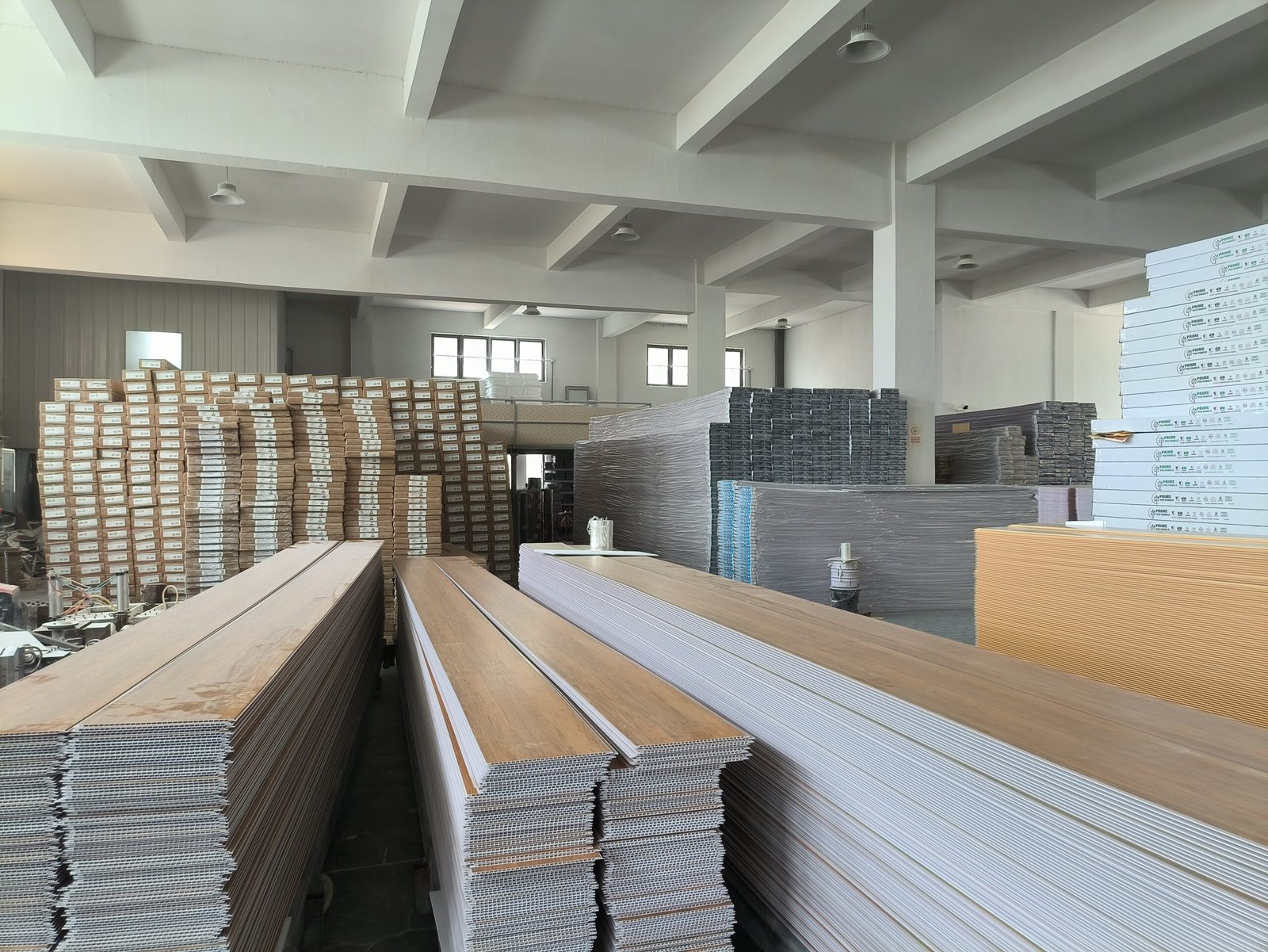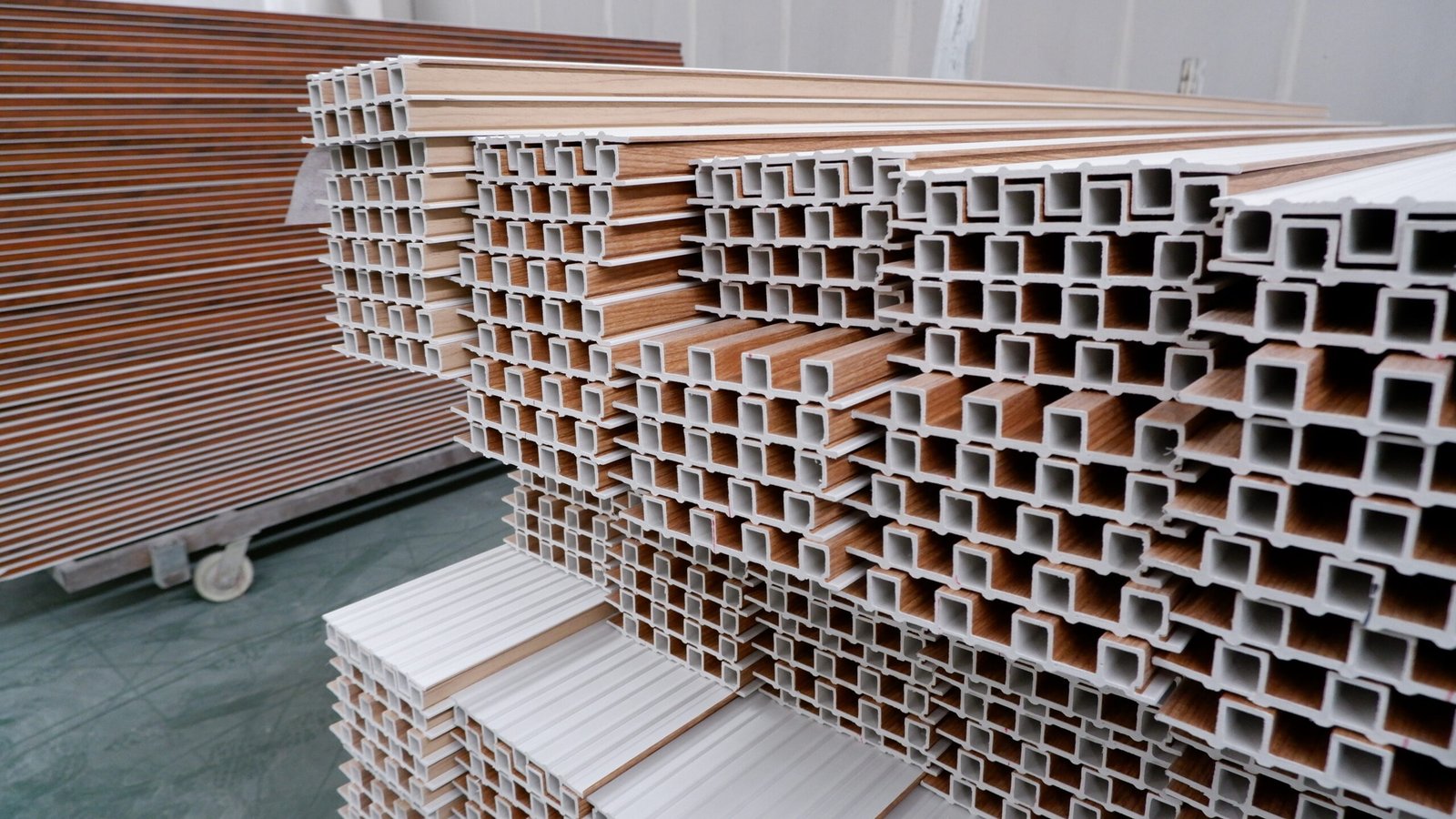
In the grand narrative of contemporary architecture, the façade is no longer merely a barrier against the elements. It has evolved into a central medium for architectural expression, environmental interaction, and brand identity. In the pursuit of a fusion between aesthetics, performance, and sustainability, a system known as WPS wall wpc wood is emerging as a preferred solution for architects and developers alike. But what exactly are they, and how are they revolutionizing modern construction? This article delves deep into the world of wall wpc wood, analyzing their definition, advantages, applications, and future trends.
Chapter 1: What Are wall wpc wood? – A Building Skin Beyond Definition
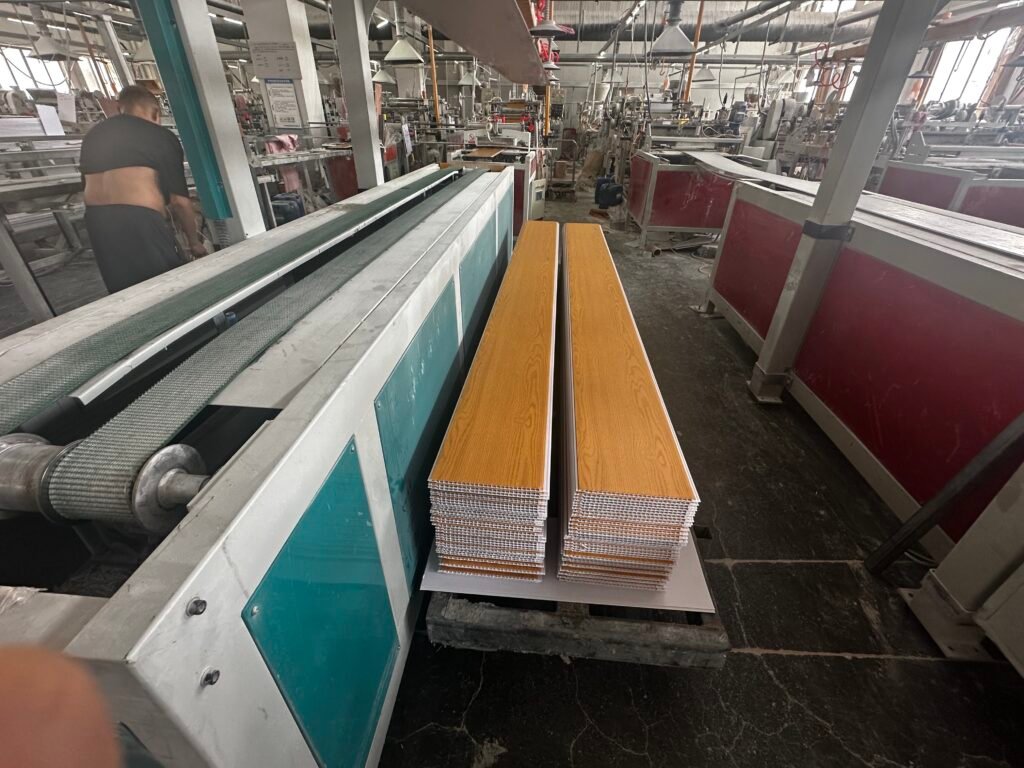
wall wpc wood is a prefabricated, modular exterior wall solution that integrates support structure, cladding panels, insulation, and weather-resistant barriers. Unlike traditional sequential on-site construction (like bricklaying or plastering), wall wpc wood are manufactured with precision in a controlled factory environment, transported as complete units to the construction site, and then hoisted and directly fixed to the building’s structure.
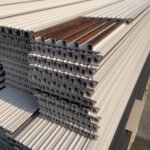
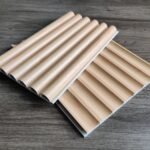
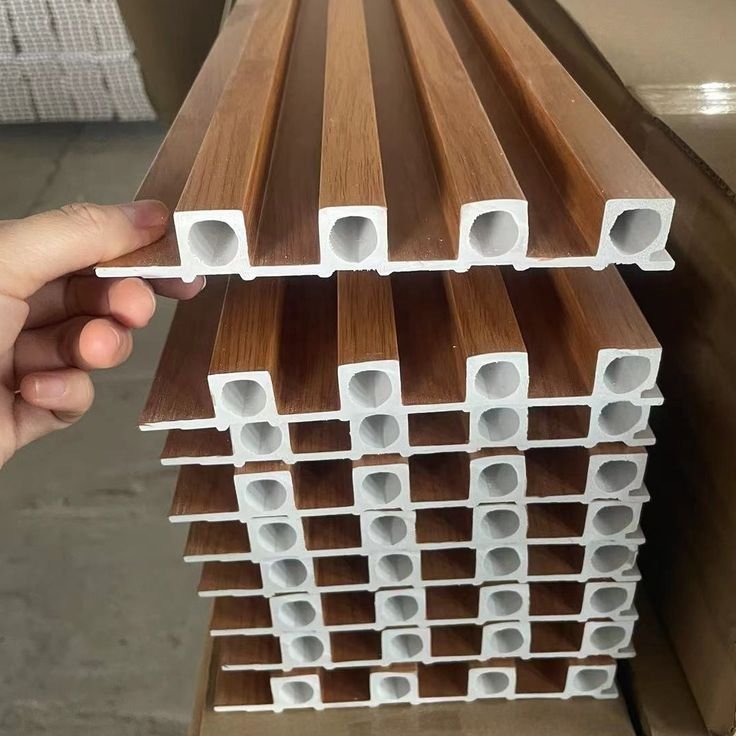
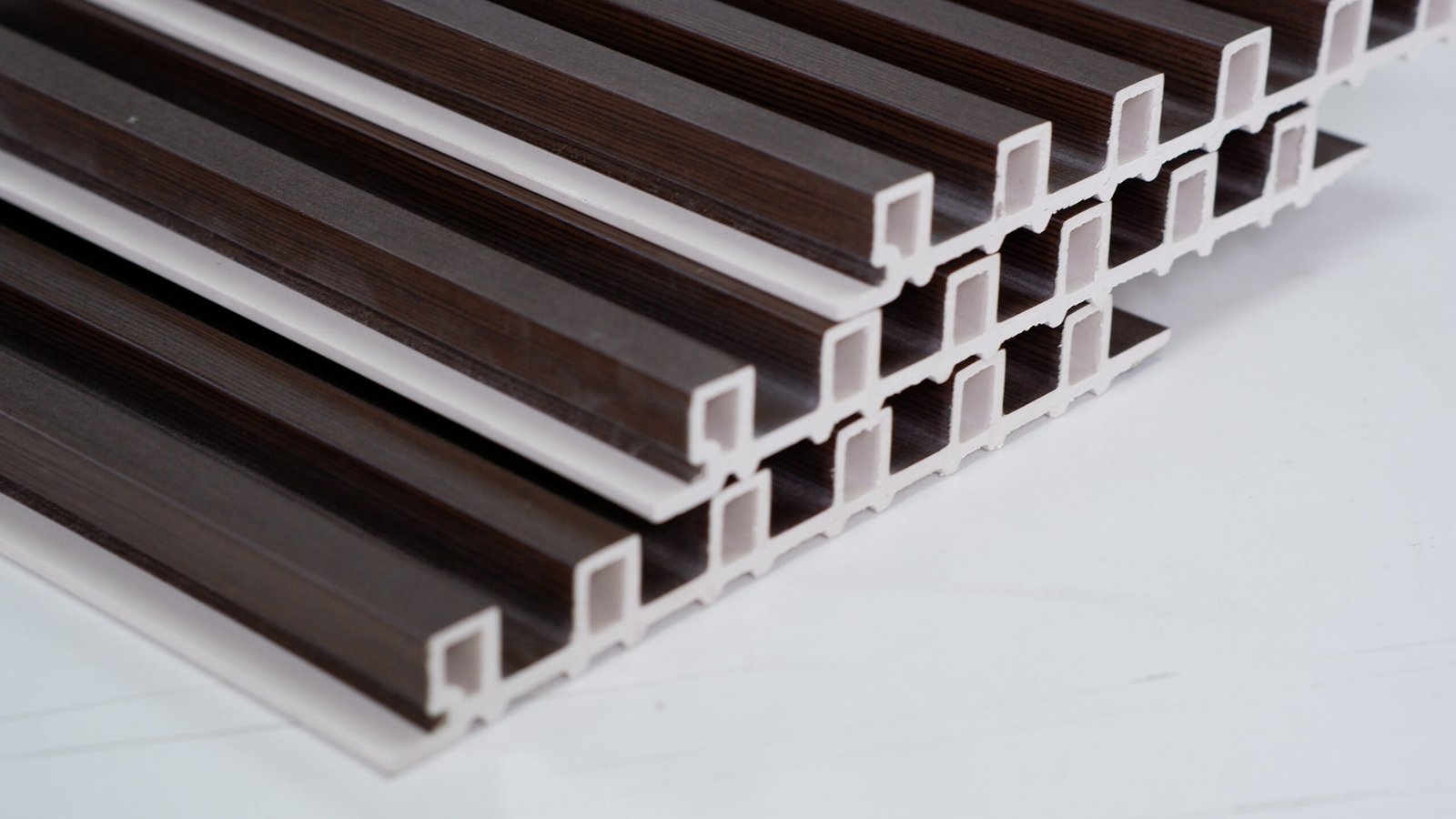
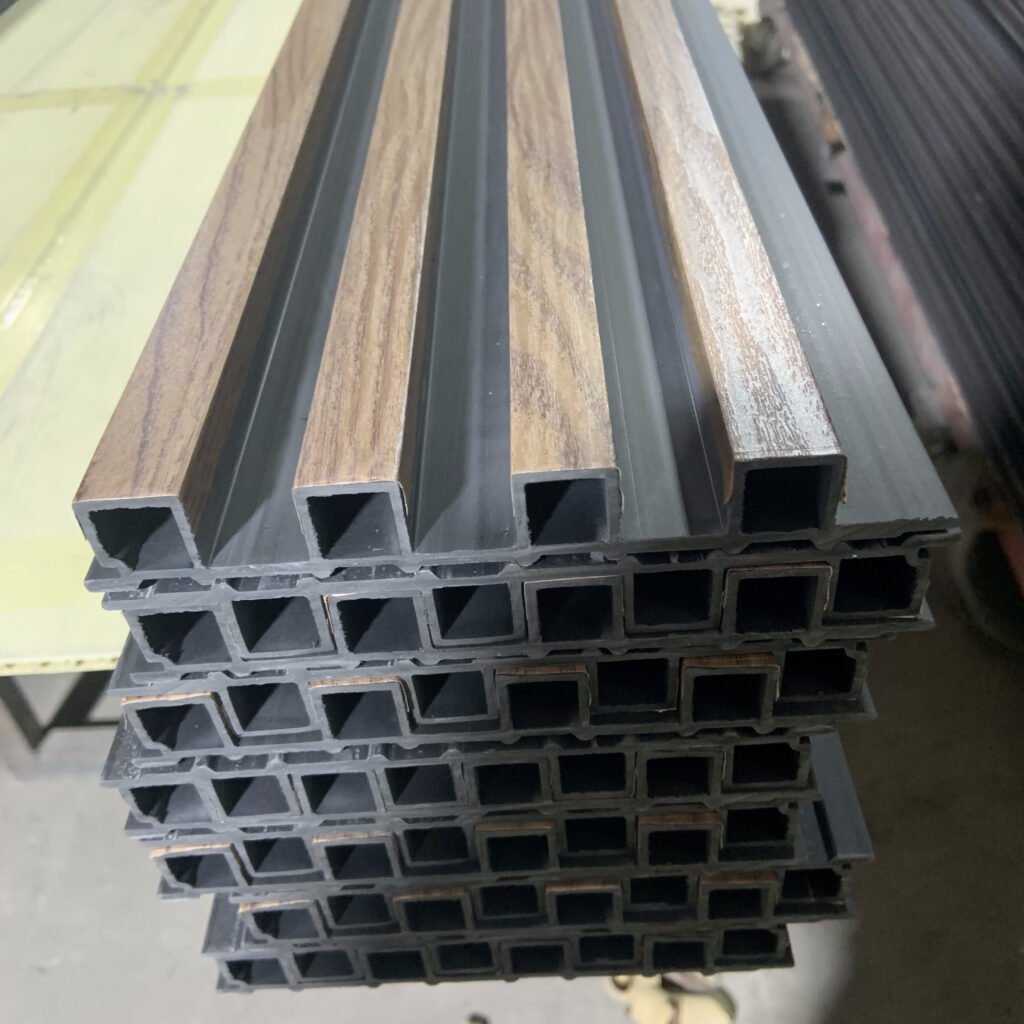
More specifically, wall wpc wood often refer to grating or plate-style panel systems made from materials like metal (aluminum, steel), fiber cement, aluminum composite material (ACM), or high-performance ceramics. The core concept is “systemization”—it is not a single material but a complete ecosystem encompassing a substructure (grid framework), connectors, sealing components, and the wall wpc wood themselves. This method ensures the installation accuracy, long-term maintainability, and excellent overall performance of the product.
Chapter 2: Why Choose WPS? – Seven Unmatched Core Advantages
The popularity of wall wpc wood is no coincidence; it’s backed by a host of exceptional benefits that address the challenges of modern construction.
1. Exceptional Aesthetics and Design Flexibility
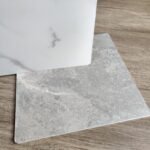
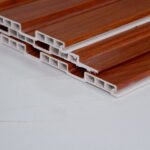
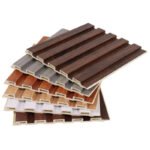
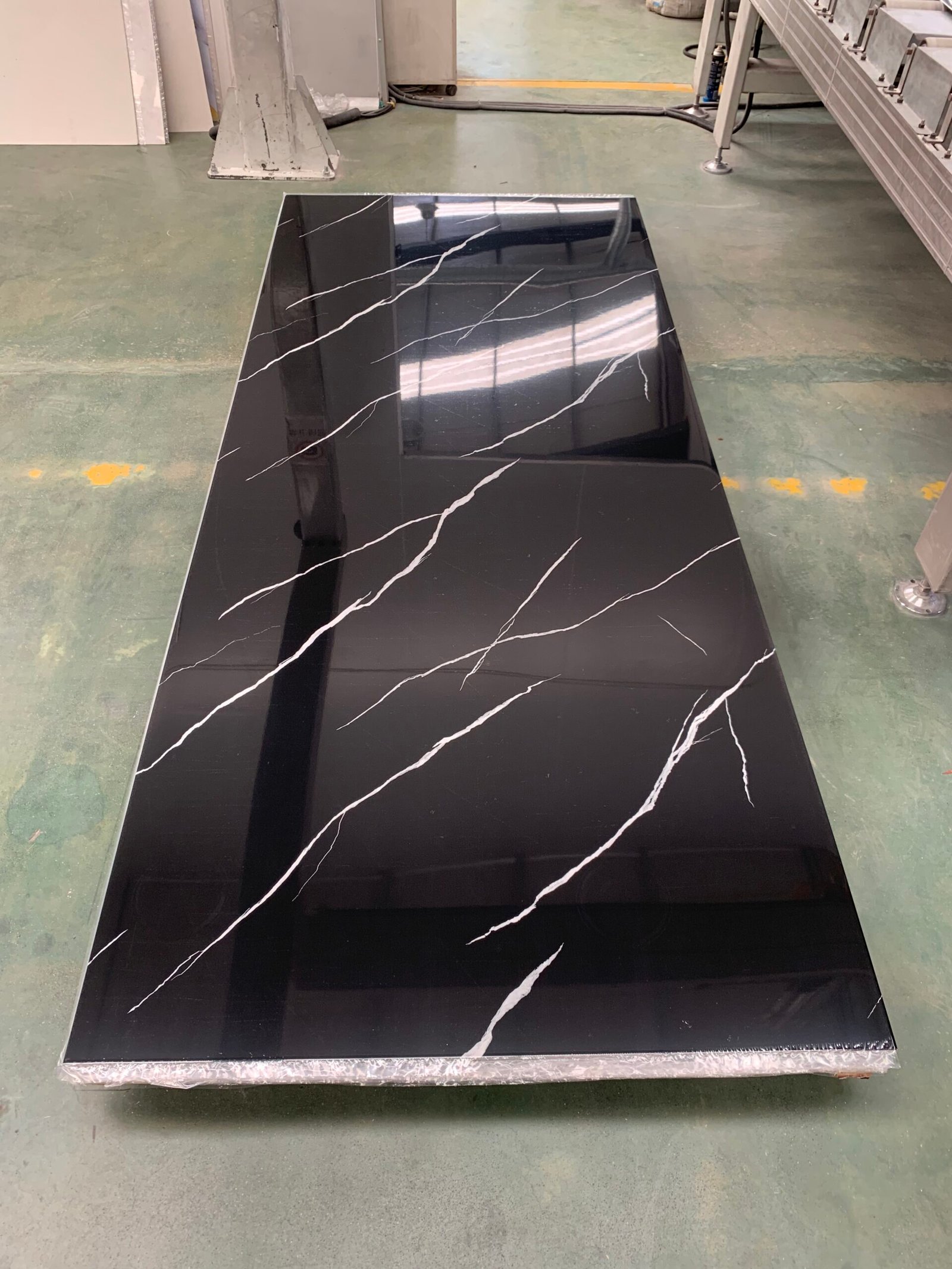
This is the most significant advantage of the WPS system.. Architects can use it to realize almost any conceivable form—from classic flat surfaces to complex curves and sharp angles. wall wpc wood can be customized in a vast array of colors, sizes, shapes, and finishes (such as anodized, powder-coated, woodgrain, or stone-effect). Grille-style designs are particularly popular, creating rich plays of light and shadow. As the sun’s angle changes throughout the day, the building façade takes on a dynamic, living quality, greatly enhancing the visual depth and artistic appeal of the structure.
2. Maximum Construction Efficiency and Reduced Timelines
“Time is money” is a mantra that holds especially true in construction. The dry construction method of WPS panels has changed the traditional wet industry method. The majority of the work is completed in the factory, with on-site activities limited to installation, which is minimally affected by weather. This can reduce the exterior cladding construction schedule by 50% or more, significantly lowering time-related and financial costs and allowing projects to become operational much faster.
3. Superior Integrated Performance: Insulation, Weatherproofing, and Airtightness
A WPS is a high-performance assembly. High-grade insulation materials (like rock wool or polyurethane) can be seamlessly integrated within the system, drastically improving the building’s energy efficiency. Simultaneously, systematic sealant design and drainage pathways (drained and vented cavities) create a powerful “rainscreen” cladding that effectively defends against wind and rain, prevents water infiltration, ensures a dry and comfortable interior environment, and fundamentally eliminates the leakage problems common in traditional walls.
4. Outstanding Durability and Low Maintenance Costs
WPS systems utilizing high-quality materials (such as PVDF-coated aluminum panels) offer exceptional weather resistance, able to withstand UV radiation, acid rain, and salt spray while maintaining color and structural stability over the long term. They are resistant to fading, staining, and impact. Their smooth, often self-cleaning surfaces mean that occasional rainwater or a simple wash is enough to keep them looking new, dramatically reducing maintenance costs over the building’s lifecycle.
5. Sustainability and Environmental Benefits
WPS systems align perfectly with green building principles. First, their superior insulating properties directly reduce the energy required for heating and cooling. Second, factory prefabrication minimizes on-site waste, noise, and dust pollution. Many panel materials are themselves recyclable (aluminum has a very high recycling rate), allowing for disassembly and reuse at the end of the building’s life, adhering to circular economy principles.
6. Structural Safety and Lightweight Nature
Compared to heavy stone or concrete cladding, metal-based wall wpc wood are significantly lighter. This reduces the dead load on the primary structure, making them ideal for high-rises or renovation projects. Furthermore, rigorously engineered support structures and seismic designs ensure the system’s safety and stability under various loads.
7. Ease of Integration and Future-Proofing
The WPS system provides an ideal platform for integrating other façade functions. It can easily accommodate ventilation louvers, concealed windows, and lighting systems (creating stunning media façades or light shows). It can even include pre-prepared bases for mounting solar photovoltaic panels, building in the potential for future technological upgrades.
Chapter 3: Applications – Where wall wpc wood Excel
The versatility of wall wpc wood makes them suitable for a wide range of building types:
Commercial & Office Buildings: Corporate headquarters, office towers, and shopping centers use their modern, professional appearance to project a strong brand image.
Public & Cultural Facilities: Airports, stadiums, museums, and theaters benefit from their sculptural quality and expressive power, which perfectly complement their role as cultural landmarks.
Industrial & Logistics Buildings: Modern factories and warehouses utilize WPS systems to improve their appearance, accelerate construction, and meet insulation needs.
Multi-Unit Residential & Apartment Buildings: They provide high-quality, durable façades for residential projects, enhancing the project’s档次 (grade/class) and living experience.
Building Renovation & Retrofitting: They can give old structures a completely new, high-performance “skin” without demolishing the original building, enabling a value rebirth.
Chapter 4: Selection and Considerations – A Decision-Maker’s Guide
When selecting a WPS wall panel system, the following factors must be considered:
Budget: The initial investment may be higher than traditional materials, but its value should be assessed from a whole-lifecycle cost perspective (energy savings, maintenance, reduced construction time).
Supplier & Manufacturer: Choosing a reliable supplier with extensive experience, technical expertise, and a proven track record is crucial. Their design support, quality control, and comprehensive after-sales service are vital for project success.
Material Selection: The choice of panel material (e.g., cost-effective aluminum, fire-resistant fiber cement, flat ACM) should be based on project budget, desired aesthetic, durability requirements, and local climate conditions.
Codes & Certification: Ensure the system complies with local building codes, fire rating requirements, wind load performance, and seismic standards.
Chapter 5: Future Trends – The Evolution Towards Smart and Green
The future of WPS systems is imaginative, moving towards greater integration and intelligence:
Smart Façades: Integrating WPS with IoT sensors to monitor temperature, humidity, and structural health in real-time.
Energy-Generating Skins: Incorporating more efficient flexible thin-film solar cells, turning the building skin from an energy consumer into a producer.
Dynamic Responsive Grilles: Developing intelligent grilles that can automatically adjust their angle or open/close in response to sunlight and temperature, enabling passive climate adaptation.
Advanced Eco-Materials: Utilizing more recycled materials and lower carbon-footprint manufacturing processes to push the construction industry toward net-zero goals.
Conclusion
WPS Wall Panels are far more than a decorative cladding. They represent an advanced architectural philosophy—a systematic thinking that deeply integrates aesthetics, performance, efficiency, and sustainability. They provide architects with a powerful tool to shape skylines, offer developers a reliable path to value maximization, and create more comfortable, healthy, and energy-efficient spaces for end-users. As technology continues to advance, WPS systems will keep pushing boundaries, shaping the contours and substance of our future cities, and becoming an indispensable component of defining contemporary architecture.
Choosing WPS for a building’s exterior is not just a design choice; it is a commitment to the future.


 903 Yuntong Building, 3285 Shengxin Road, Shanghai, China