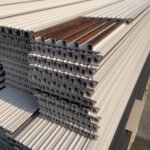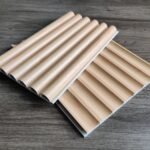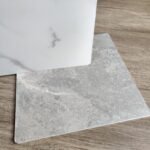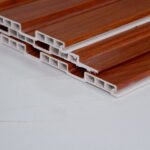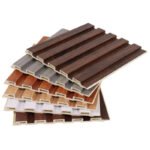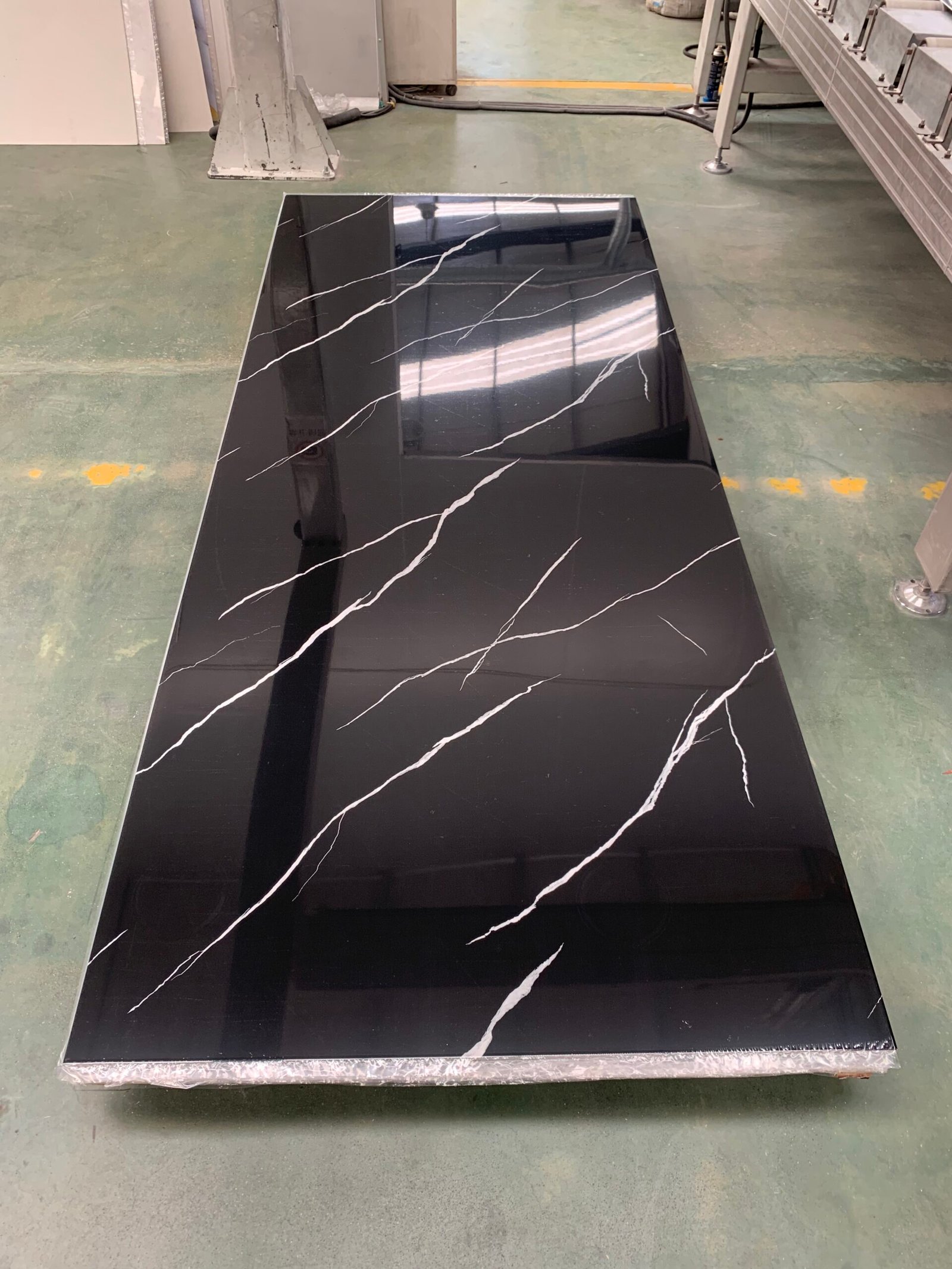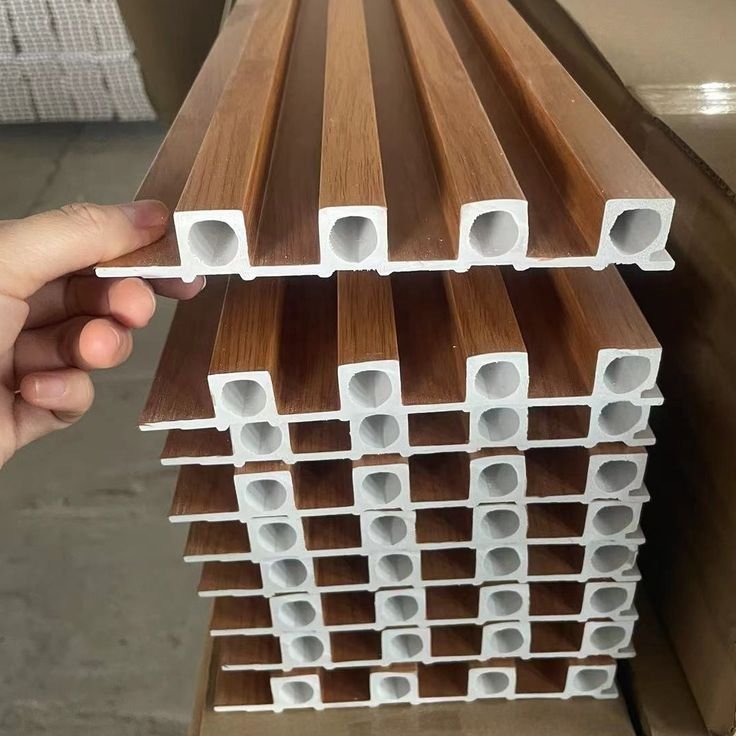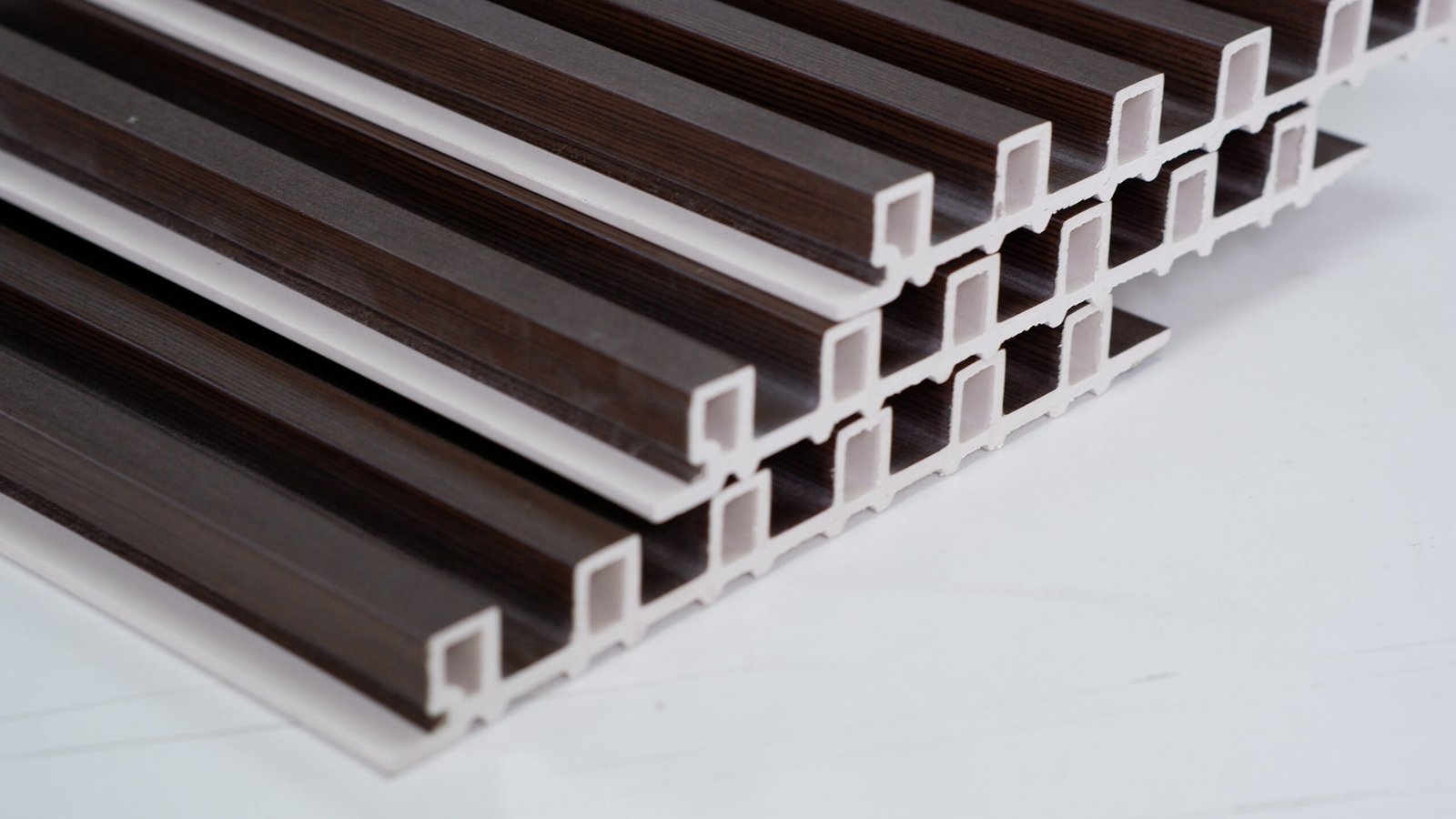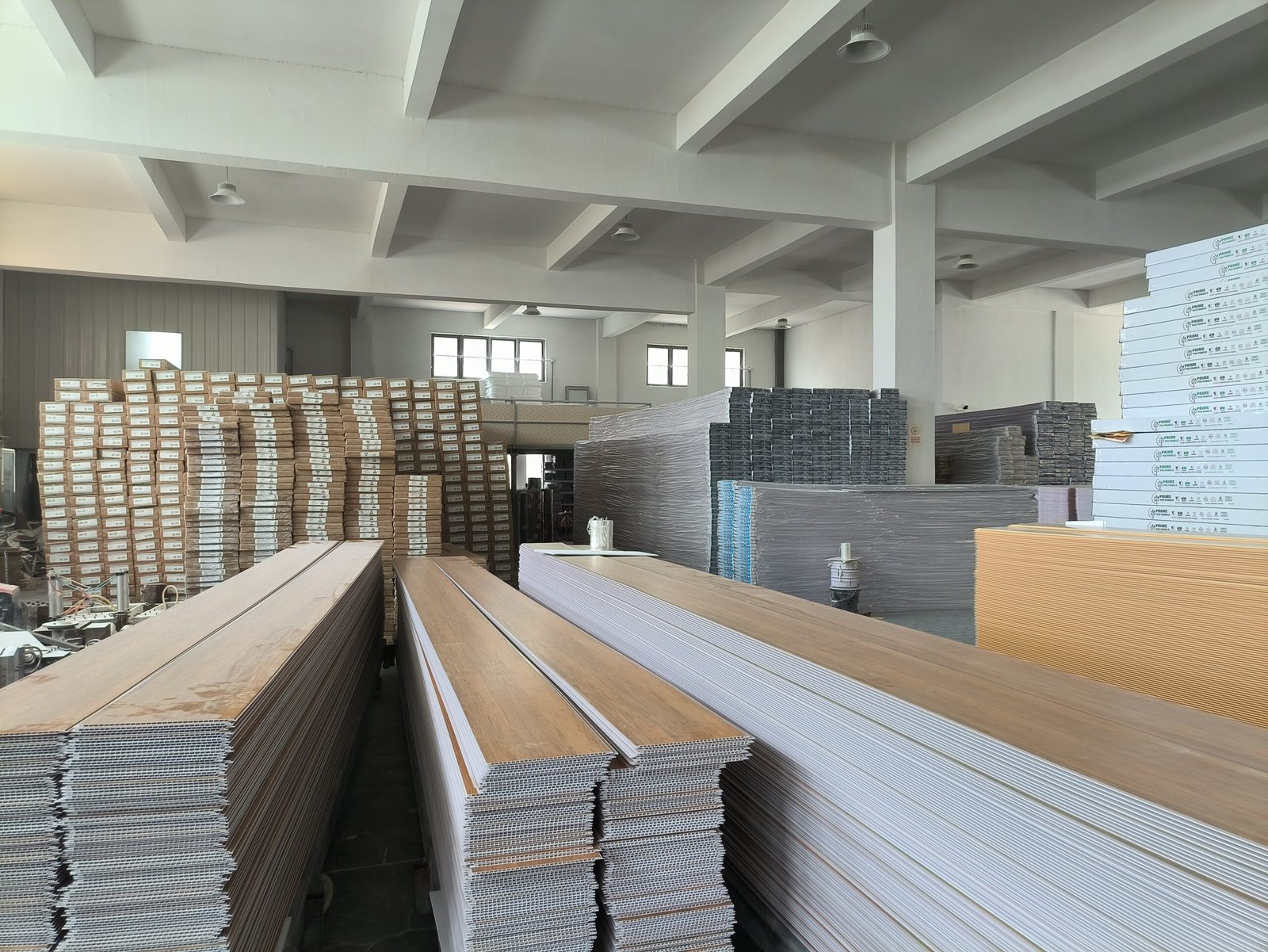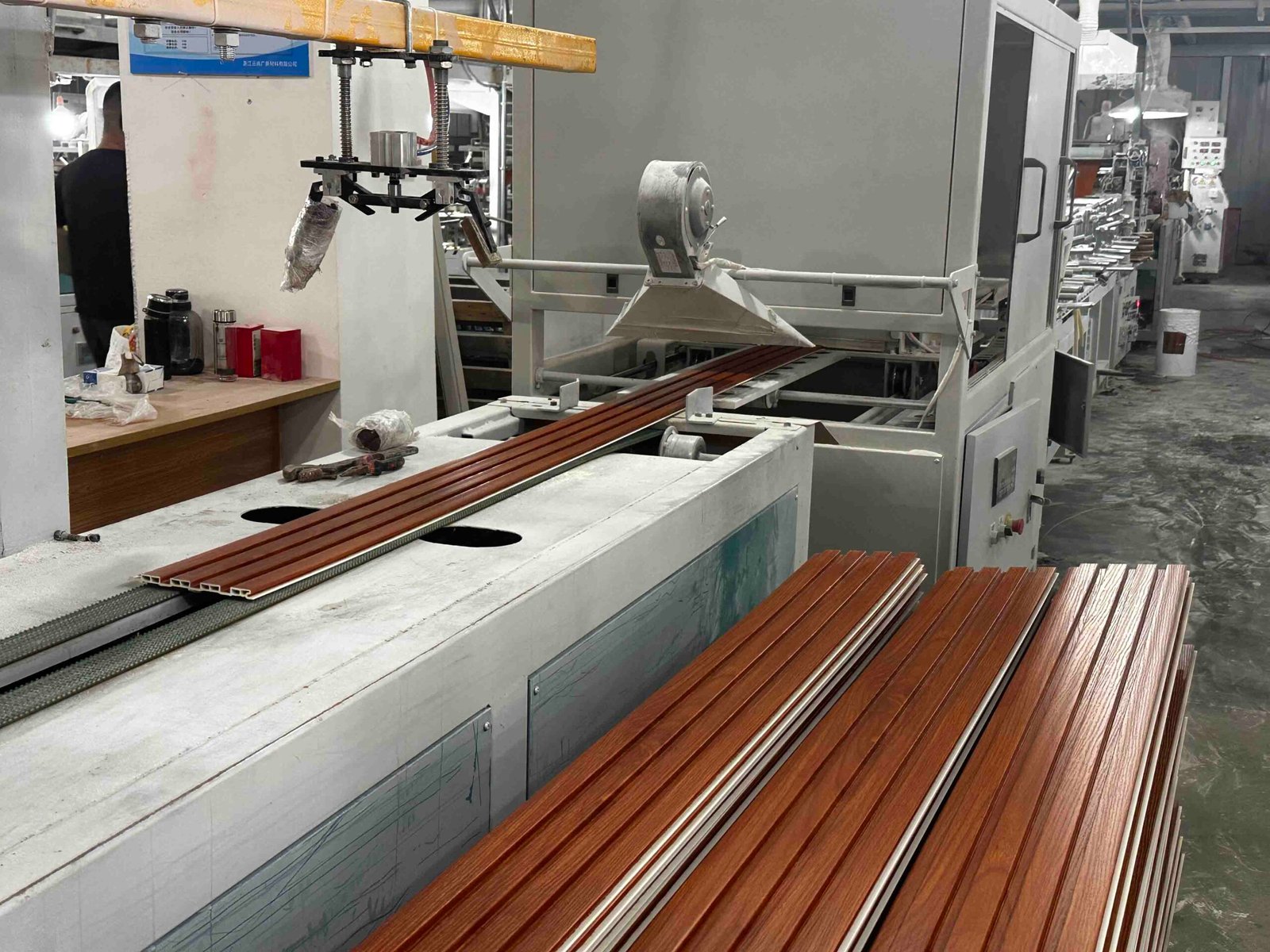
In the ever-evolving world of construction and interior design, WPC wall panel board vs. Traditional Materials have emerged as a innovative alternative to traditional materials. These composite panels typically consist of approximately 60% wood powder, 30% high-density polyethylene (HDPE), and 10% additives. This unique composition combines the best qualities of both wood and plastic, creating a material that challenges conventional options in terms of durability, aesthetics, and functionality. As we explore the comparison between WPC wall panels and traditional materials, we’ll examine how this modern solution performs across various critical parameters including strength, appearance, installation processes, and long-term value.
1 What Are WPC wall panel board?
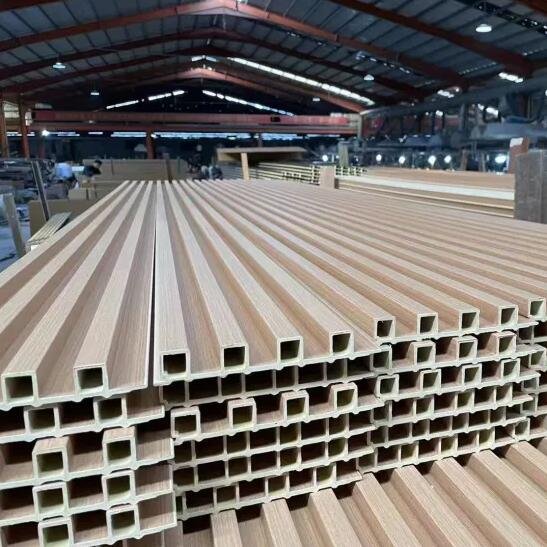
WPC wall panel board are composite materials that blend wood fibers or flour with thermoplastics through an extrusion or compression process6. The resulting product offers the natural appearance of wood with enhanced durability characteristics typically associated with plastics6. Standard WPC panels often measure 2m × 1m with thicknesses around 10mm, though they can vary based on application requirements.
These WPC wall panel board incorporate UV-resistant properties and are completely waterproof, making them suitable for diverse environments. Their surface often features realistic wood grain patterns and textures achieved through advanced manufacturing techniques, providing the warmth of natural wood without its inherent limitations.
The installation system for WPC wall panel board represents a significant advancement over traditional materials, with many featuring click-lock mechanisms that simplify the process while ensuring a secure fit. With a density typically around 0.55g/cm³ to 1.2 g/cm³ (depending on specific composition), these panels offer substantial structural integrity while remaining manageable in weight.
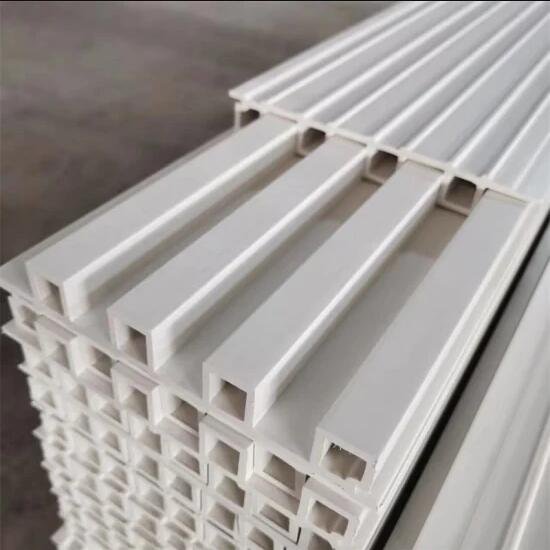
Durability Comparison
Weather Resistance
WPC wall panel board demonstrate exceptional resilience to environmental factors, performing reliably in temperatures ranging from -20°C to 60°C. The material’s composition and manufacturing process create a dense, impermeable structure that resists moisture absorption, preventing warping, cracking, or rotting that commonly affects natural wood3. Unlike traditional wood that swells and deteriorates when exposed to moisture, WPC wall panel board maintain their structural integrity due to their non-porous nature and low moisture content (typically around 0.5%)
UV Stability
The incorporation of UV-resistant polymers and advanced inhibitors ensures that WPC wall panel board retain their color vibrancy over time. With a UV stability rating of approximately 4.5 and protection against 99% of sunlight’s damaging effects, these panels can maintain their appearance for 15-25 years without significant fading. This represents a substantial improvement over traditional wood, which typically requires regular staining or sealing to prevent UV degradation.
Physical Durability
WPC wall panel board exhibit remarkable resistance to daily wear and tear:
- Scratch resistance: Surface hardness of approximately 80 Shore D protects against scratches
- Impact resistance: With impact strength of 20 kJ/m², they withstand physical impacts better than many traditional materials
- Pest resistance: The composite structure resists insects, termites, and fungi that commonly damage natural wood
Table: Durability Comparison Between WPC and Traditional Materials
| Durability Factor | WPC wall panel board | Traditional Wood |
|---|---|---|
| Lifespan | 20-30 years | 10-15 years7 |
| Moisture Resistance | High (0.5% moisture content) | Low (absorbs water, swells)7 |
| UV Resistance | High (15-25 years without fading) | Low (requires regular protection) |
| Pest Resistance | High (resists insects/fungi) | Low (vulnerable to termites)7 |
| Impact Strength | 20 kJ/m² | Variable (often lower) |
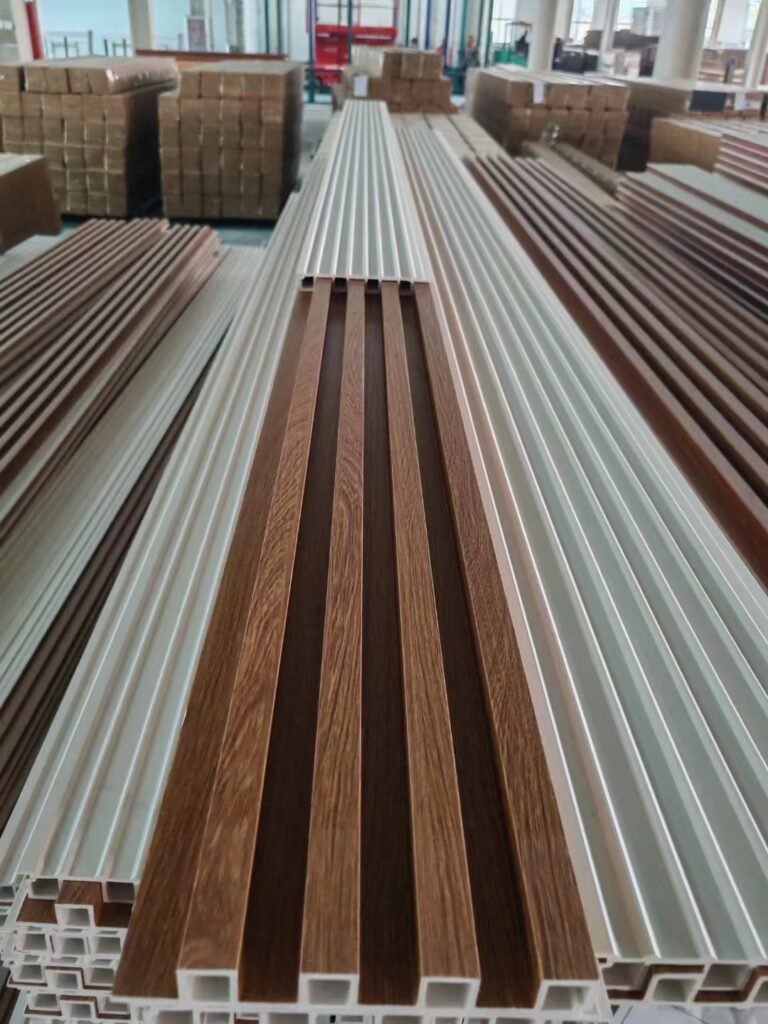
Aesthetic Advantages
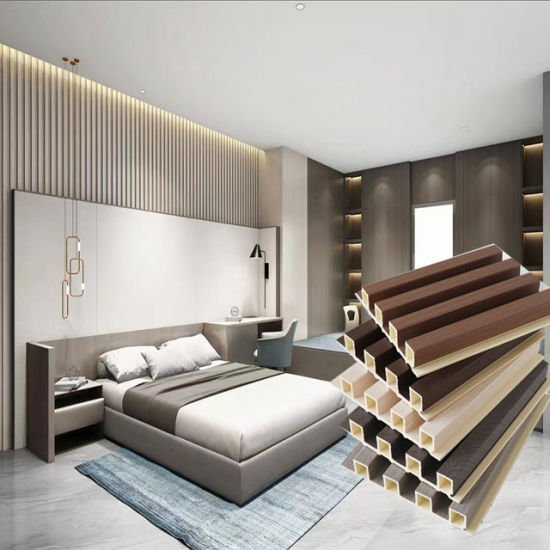
WPC wall panel board offer unprecedented versatility in design possibilities, overcoming many limitations associated with traditional materials.
Visual Appeal
The manufacturing process of WPC allows for extensive customization with over 50 color shades available, all featuring UV-resistant pigments that maintain their vibrancy. Advanced printing technologies enable realistic replication of wood grain patterns including oak, maple, and pine, providing the authentic appearance of natural wood without its inconsistencies
Texture and Finish
WPC wall panel board are available in diverse textural options:
- Smooth, rough, and wood-like surfaces
- 3D textures through advanced embossing techniques
- Gloss finishes with UV coatings that enhance reflectivity and maintain shine
- Custom textures to match specific design requirements
Design Flexibility
Unlike traditional materials limited by their natural properties, WPC panels can be manufactured in:
- Various thicknesses (typically 8mm-25mm) for different applications
- Custom sizes and shapes through CNC routing or laser cutting
- Innovative designs with sleek lines and contemporary profiles
- Combinations with other materials like ACM boards or glass for creative applications
Performance in Different Environments
Humidity and Moisture Resistance
WPC wall panel board demonstrate exceptional performance in high-humidity environments, withstanding up to 80% humidity without damage. Their waterproof nature makes them ideal for areas prone to moisture exposure, including bathrooms, kitchens, basements, and laundry rooms. The material’s resistance to moisture absorption prevents swelling, warping, and mold growth—common issues with traditional wood products
Thermal Stability
With a thermal expansion coefficient of 0.001 and ability to withstand temperatures up to 120°C, WPC wall panel board maintain structural integrity across diverse climate conditions. The thermal conductivity (K-factor) of 0.05 W/mK contributes to energy efficiency by providing insulation benefits
Fire Resistance
WPC panels incorporate fire-retardant additives that make them self-extinguishing in case of fire1. They exhibit a low flame spread index and minimal emission of toxic gases when exposed to flames, enhancing building safety compared to many traditional materials
Acoustic and Thermal Insulation
The composite structure of WPC wall panel board provides noise reduction coefficients (NRC) of up to 0.70-0.80, significantly reducing sound transmission compared to many traditional materials. Their insulating properties (R-value approximately 3.0) contribute to energy efficiency by reducing heat transfer
Installation Process
The installation of WPC wall panels represents a significant advancement over traditional materials in terms of efficiency and simplicity.
Simplified Installation
WPC wall panel board feature innovative installation systems that reduce time and labor requirements:
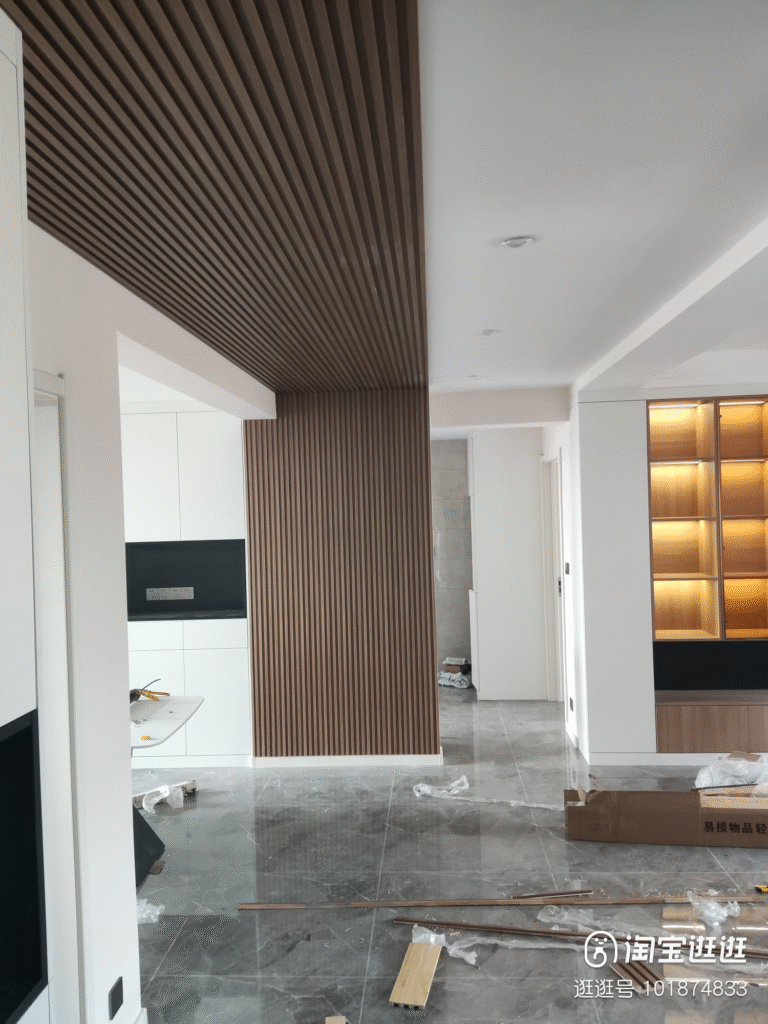
- Click-lock systems for quick assembly without specialized tools
- Interlocking edges that create seamless fits without visible joints
- Lightweight construction (approximately 7kg per panel) for easy handling
- Minimal tool requirements—typically only basic tools like screwdrivers and drills
Traditional vs. WPC Installation
Table: Installation Comparison Between WPC and Traditional Materials
| Installation Factor | WPC Wall Panels | Traditional Wood |
|---|---|---|
| Skill Requirement | Low (suitable for DIY) | High (requires skilled carpentry)7 |
| Time Requirement | Low (quick assembly) | High (time-consuming)7 |
| Adhesives Needed | None (mechanical fasteners only) | Often required |
| Specialized Tools | Not required | Often required |
| Labor Costs | Lower due to faster installation | Higher due to longer installation time7 |
Flexibility in Application
The installation flexibility of WPC panels allows for:
- Application over existing surfaces without extensive preparation
- Simple modifications using basic tools due to material workability8
- No drying or curing time required after installation
- Accessibility for retrofitting projects without major disruptions
Maintenance Requirements
Minimal Maintenance Needs
WPC wall panels require significantly less maintenance than traditional materials7. Their maintenance involves primarily regular cleaning with mild soap and water, without the need for painting, staining, or sealing4. The non-porous surface resists stain absorption, allowing most spills to be easily wiped away without leaving permanent marks
Long-Term Maintenance Comparison
Traditional wood requires ongoing maintenance including sanding, polishing, painting, and applying anti-termite treatments7. Without this regular upkeep, wood quickly deteriorates, loses its aesthetic appeal, and becomes susceptible to damage7. In contrast, WPC panels maintain their appearance and structural integrity for 20-30 years with minimal maintenance7.
Cleaning and Care
Proper maintenance of WPC panels involves:
- Regular dust removal with a soft-bristle brush or microfiber cloth
- Cleaning with mild detergent and warm water solution
- Prompt addressing of stains using appropriate cleaners (tested in inconspicuous areas first)
- Occasional mold removal in damp environments using water-vinegar solution
Cost-Effectiveness Analysis
Initial Investment vs. Long-Term Value
While WPC wall panels typically have a higher initial cost (approximately $10-$40 per square meter) compared to some traditional materials, they offer superior long-term value9. The reduced maintenance requirements, longer lifespan, and elimination of recurring costs make them a economically sound choice over time7.
Total Cost of Ownership
| Cost Factor | WPC Wall Panels | Traditional Wood |
|---|---|---|
| Material Cost | $15-$35/sqm | $20-$50/sqm |
| Installation Cost | $18-$45/sqm | $25-$55/sqm (higher labor time) |
| Annual Maintenance | Minimal (cleaning only) | Significant (staining, sealing, repairs) |
| Replacement Frequency | 20-30 years | 10-15 years |
| Total 20-Year Cost | Lower (no maintenance/replacement) | Higher (multiple maintenance cycles + possible replacement) |
Additional Economic Benefits
WPC panels provide indirect economic advantages:
- Energy savings through improved thermal insulation
- Reduced repair costs due to higher durability
- Lower insurance premiums in some cases due to fire resistance
- Increased property value through enhanced aesthetics and functionality
Environmental Impact
Sustainability Credentials
WPC wall panels offer significant environmental advantages over traditional materials:
- Contains 70% recycled wood fibers in many formulations
- Utilizes recycled plastics (HDPE, PP, PVC) that might otherwise end up in landfills
- Reduces deforestation pressure by decreasing demand for virgin timber
- Fully recyclable at end of life, supporting circular economy principles
Eco-Friendly Properties
Specific environmental benefits include:
- Low emissions: Minimal VOC (Volatile Organic Compound) emissions, contributing to better indoor air quality
- Formaldehyde-free: Unlike some composite wood products, WPC wall panel board typically contain no formaldehyde or other harmful chemicals
- Energy-efficient production: Manufacturing processes generally consume less energy than traditional material production
- Biodegradable components: Some formulations incorporate biodegradable materials
Certifications and Standards
Many WPC wall panel board comply with international environmental standards:
- GREENGUARD certification for low emissions
- FSC certification for responsibly sourced wood fibers
- REACH compliance for chemical safety
- ASTM standards for material performance and safety
Health and Safety Considerations
Non-Toxic Properties
WPC panels offer significant health advantages over some traditional materials:
- Formaldehyde-free composition, eliminating off-gassing concerns
- No harmful chemicals like benzene, with significantly low VOC emissions
- Anti-bacterial properties in some formulations, inhibiting microbial growth
- Smooth surfaces that resist allergen accumulation
Safety Features
Enhanced safety characteristics include:
- Fire retardancy: Self-extinguishing properties and low smoke emission
- Slip resistance: Textured surfaces provide better traction, especially in wet areas
- No sharp edges: Manufactured with rounded or smooth edges for safety
- Structural stability: Resistance to warping prevents creating hazardous conditions
Indoor Air Quality Benefits
The use of WPC wall panel board contributes to healthier indoor environments by:
- Reducing mold growth due to moisture resistance
- Minimizing chemical emissions that can affect respiratory health
- Eliminating need for chemical treatments required for wood preservation
- Providing easy-to-clean surfaces that reduce allergen accumulation
Applications and Use Cases
Ideal Applications for WPC wall panel board
WPC wall panels excel in numerous applications where traditional materials might fail:
- Bathrooms and wet rooms: Perfect for high-humidity environments due to 100% waterproof properties
- Kitchens: Resistant to splashes, spills, and stains, while being easy to clean
- Basements: Withstand damp conditions without warping or mold growth
- Exterior cladding: withstand outdoor conditions without deteriorating or warping
- Commercial spaces: Withstand high traffic while maintaining appearance with minimal maintenance
Comparative Suitability by Application
| Application | WPC Wall Panels | Traditional Wood |
|---|---|---|
| High-Moisture Areas | Excellent (waterproof) | Poor (absorbs water, swells) |
| High-Traffic Areas | Excellent (scratch/impact resistant) | Fair (requires frequent maintenance) |
| Exterior Applications | Excellent (UV/weather resistant) | Fair (requires protective coatings) |
| Food Preparation Areas | Excellent (hygienic, easy clean) | Fair (can harbor bacteria) |
| Budget-Constrained Projects | Good (long-term value) | Variable (initial cost may be lower) |
Conclusion: Making the Right Choice
The comparison between WPC wall panel board and traditional materials reveals a clear advantage for WPC in most applications. While traditional wood might offer initial cost savings in some cases and possesses inherent natural beauty, WPC panels provide superior performance in terms of durability, maintenance requirements, longevity, and overall value.
When to Choose WPC wall panel board:
- For high-moisture environments where traditional materials would fail
- When seeking minimal maintenance and long-term durability
- For projects requiring consistent aesthetics and design flexibility
- When environmental sustainability is a priority
- For applications where health and safety are paramount considerations
When Traditional Materials Might Suffice:
- In limited-budget projects where initial cost is the primary consideration
- For applications where authentic natural wood appearance is irreplaceable
- In controlled environments without moisture, temperature, or pest challenges
- For historical restoration projects where material authenticity is required
The evolution of WPC technology continues to bridge the gap between natural aesthetics and performance requirements. As manufacturing processes improve and costs decrease, WPC wall panel board are becoming increasingly accessible for diverse applications. For most contemporary construction and renovation projects, WPC wall panels represent the superior choice, combining the beauty of natural materials with the resilience of modern composites.
Ultimately, the decision between WPC and traditional materials should be based on specific project requirements, environmental conditions, budget considerations, and long-term performance expectations. However, for an increasing number of applications, WPC wall panels offer an compelling combination of benefits that make them the preferred choice for forward-thinking designers, builders, and homeowners.
Thank you for contacting C&C Panel.
To provide you with the most accurate quote, please fill out the form below. Our professional team will provide you with detailed pricing and plans within 6 hours.
If you need immediate communication or your inquiry is urgent, please call our sales hotline:
+86-15618525178 (weekdays: 9:00 AM – 18:00 PM)


 903 Yuntong Building, 3285 Shengxin Road, Shanghai, China