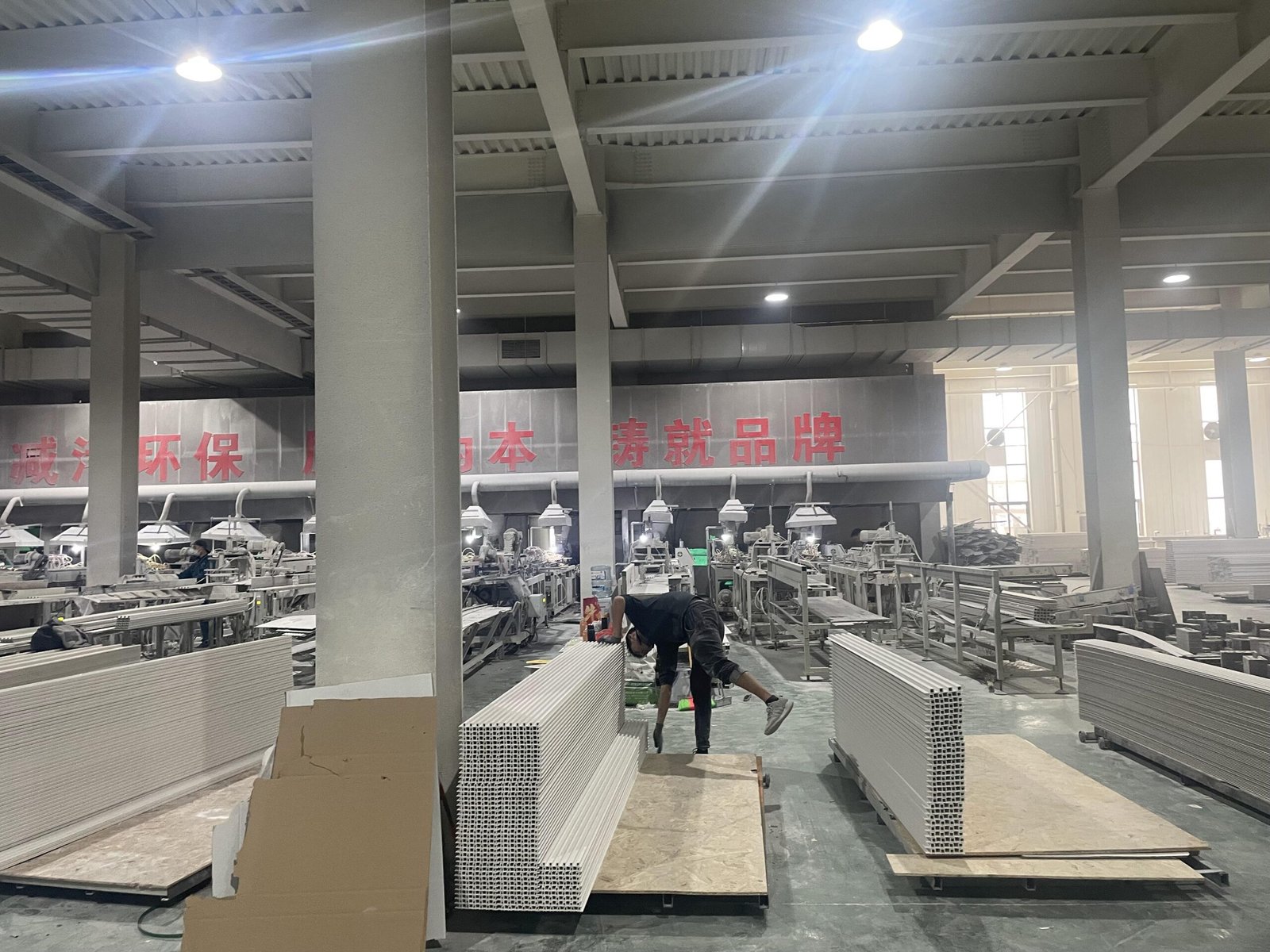
The Rise of WPC Wallboard in Modern Design
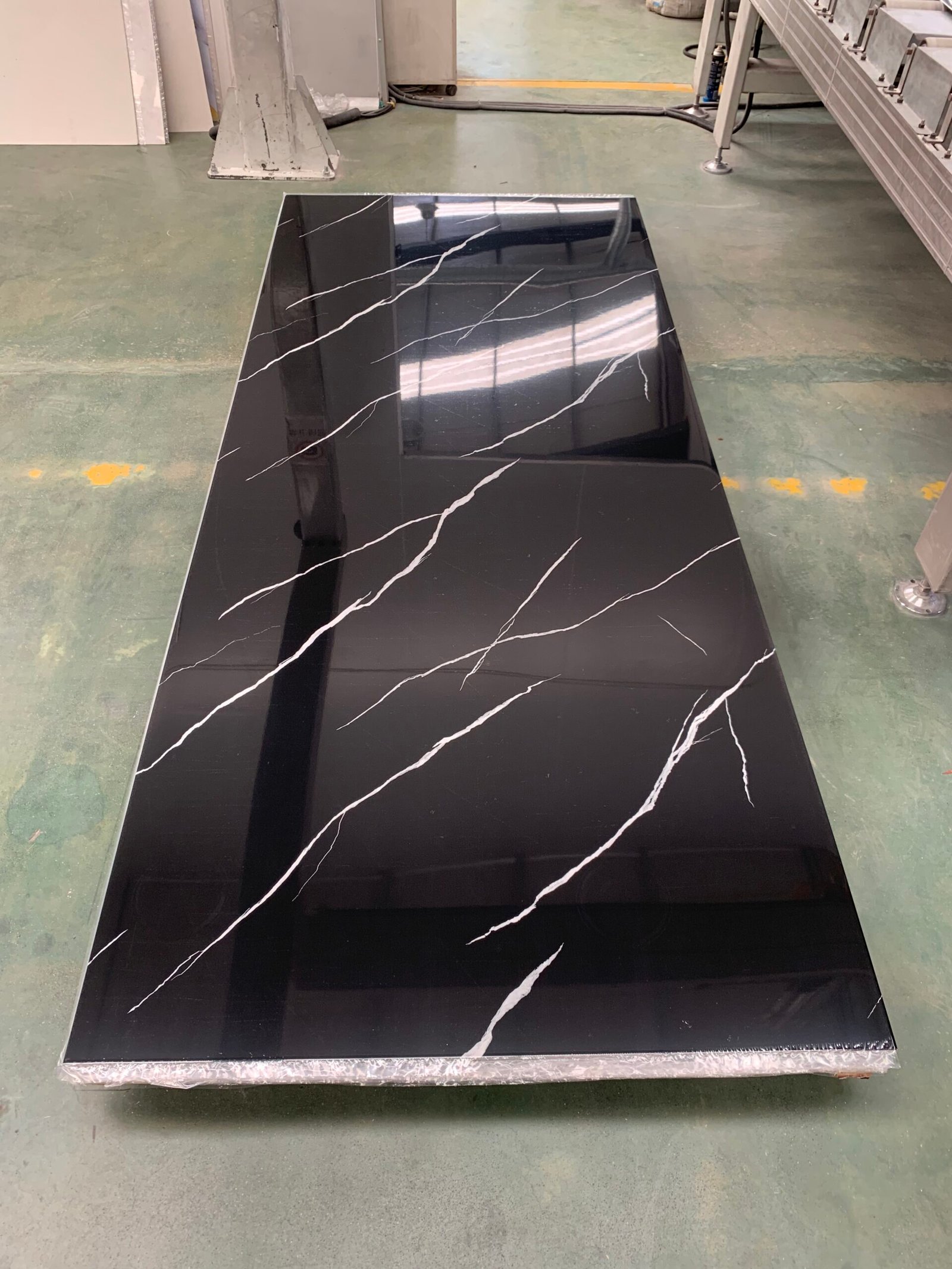
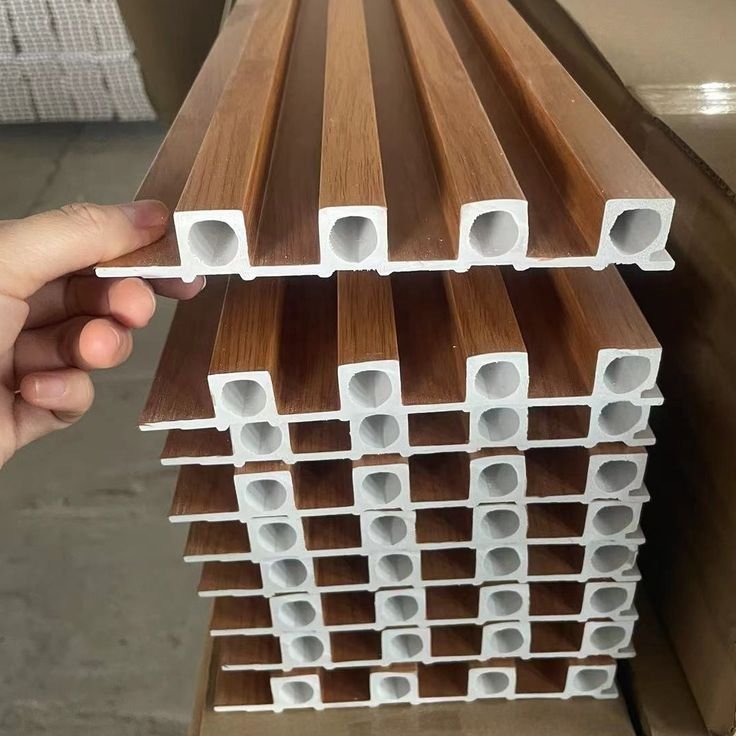
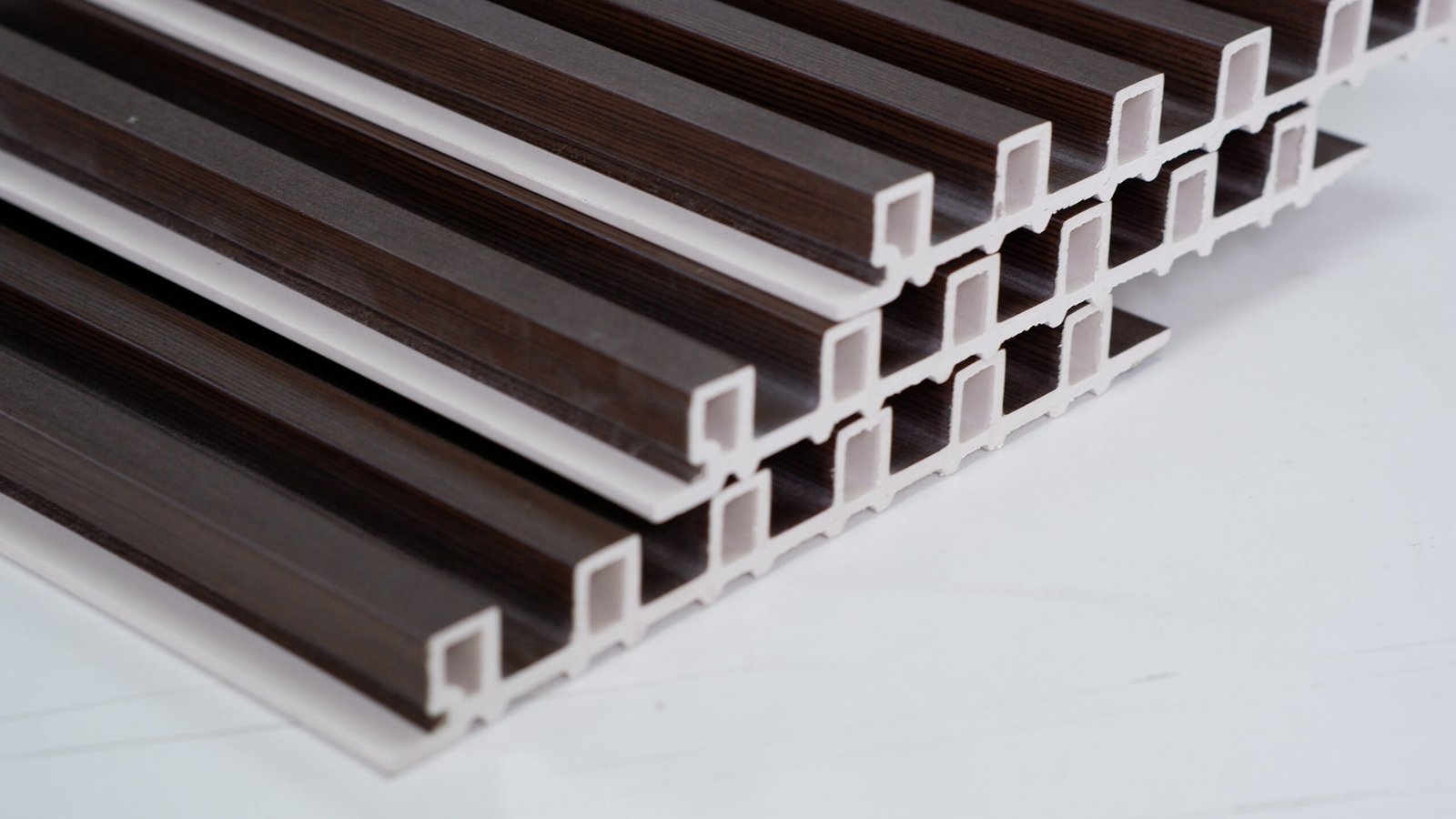
In an era where sustainability meets sophistication, wpc wallboard have revolutionized both interior and exterior design. Combining the natural charm of wood with the resilience of polymer, WPC wallboard offers unmatched versatility, eco-conscious appeal, and durability. Whether renovating a cozy home or designing a commercial space, these panels deliver aesthetic flexibility and functional performance. This guide dives deep into everything you need to know about WPC wallboard in 2023—from installation best practices to material comparisons and design trends.
Optimal Spacing for WPC Wallboard Installation
A flawless installation hinges on one often-overlooked detail: spacing. Proper gap sizing isn’t just a technicality—it’s essential for aesthetic consistency and long-term performance.
A. Why Spacing Matters
WPC wallboard, like all materials, responds to environmental changes. Temperature and humidity cause expansion and contraction. Without adequate spacing, panels may warp, buckle, or develop visible imperfections over time. A well-planned gap ensures structural integrity and visual harmony.
B. The Ideal Gap Size
Industry experts recommend a gap between 1/8 and 1/4 inch (3–6 mm). This range accommodates natural material movement while maintaining a clean, seamless look. For instance, in regions with high humidity or seasonal temperature swings, leaning toward the wider end of the spectrum can prevent future issues.
C. Pro Tips for Perfect Spacing
- Pre-Installation Planning: Sketch a layout plan, accounting for corners, outlets, and architectural features.
- Spacer Tools: Use plastic spacers for uniform gaps. They’re inexpensive and ensure consistency row after row.
- Check as You Go: Measure gaps at regular intervals to correct misalignment early.
- Follow Manufacturer Guidelines: Specific WPC products may have unique requirements. Always consult the installation manual.
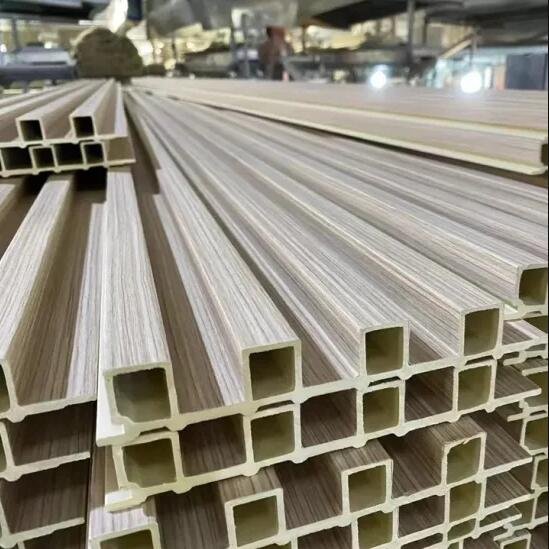
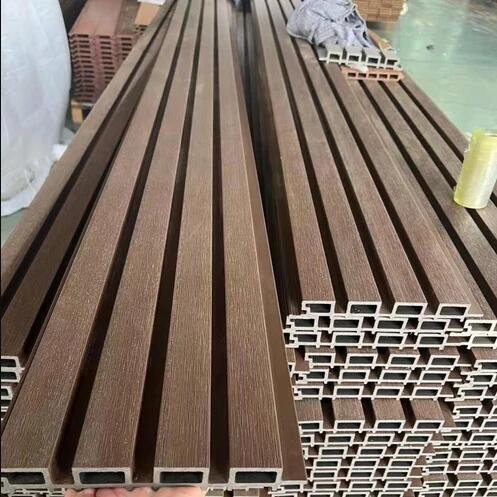
Can WPC Wallboard Be Used on Exterior Walls?
While WPC wallboard is renowned for indoor applications, advancements in material engineering now make exterior use a reality—under the right conditions.
A. Interior vs. Exterior Use
Most standard WPC wallboard is designed for interior settings—perfect for feature walls, kitchens, or bathrooms. However, specially formulated exterior-grade WPC panels are treated with UV inhibitors, water-resistant coatings, and enhanced stabilizers to withstand outdoor conditions.
B. Key Considerations for Outdoor Installation
- Weather Resistance: Look for panels rated for moisture exposure and temperature extremes.
- UV Protection: Sunlight can cause fading; choose panels with UV-resistant layers.
- Installation Techniques: Use corrosion-resistant fasteners and ensure drainage paths are maintained.
- Maintenance: Although low-maintenance, exterior WPC may require occasional cleaning to preserve appearance.

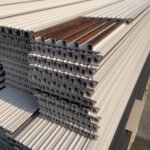
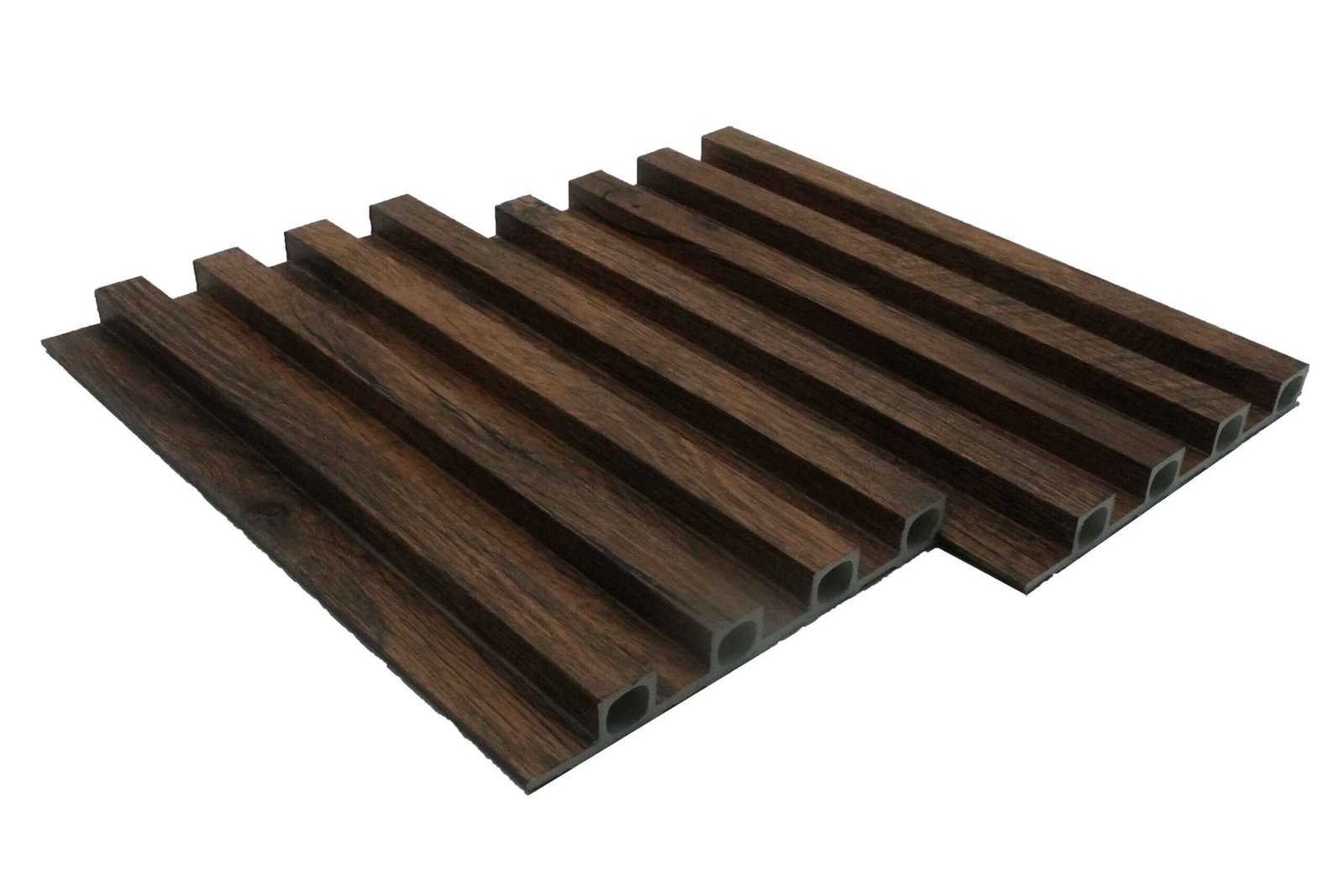
wood plastic composite panel GW16
wood panel wpc GW30


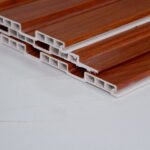
wall panel wpc GW70
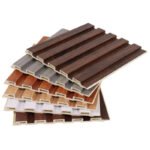
easy to install wpc panel GW16
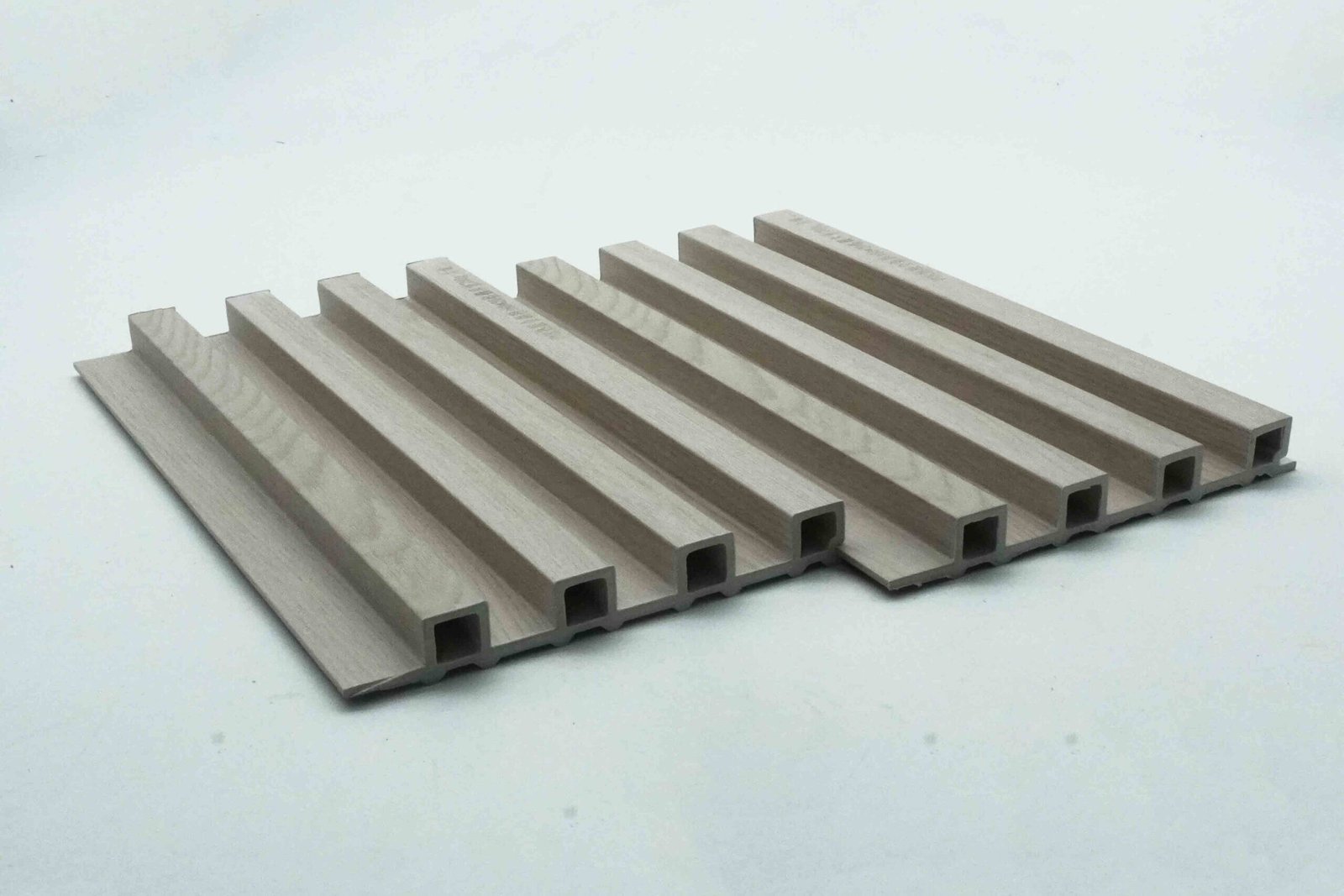
WPC vs. PVC Wall Panels: Which Is Right for You?
While often compared, WPC and PVC wall panels serve different needs. Here’s how they stack up:
A. Material Composition
- WPC: Blends recycled wood fibers and thermoplastics. Offers a warmer, wood-like texture.
- PVC: Made from polyvinyl chloride—100% plastic. Provides a synthetic look and feel.
B. Key Advantages of WPC
- Eco-Friendliness: WPC uses up to 60% recycled content, reducing environmental impact.
- Durability: More resistant to impact and moisture than many PVC products.
- Aesthetics: Mimics real wood grain and texture, enhancing visual authenticity.
C. Where PVC Might Win
- Cost: PVC is often cheaper upfront.
- Water Resistance: Full plastic composition offers slightly better wet-environment performance in some cases.
However, for those seeking a sustainable, high-end look without sacrificing performance, WPC wallboard is the definitive choice.
Choosing the Right Length for WPC Wallboard
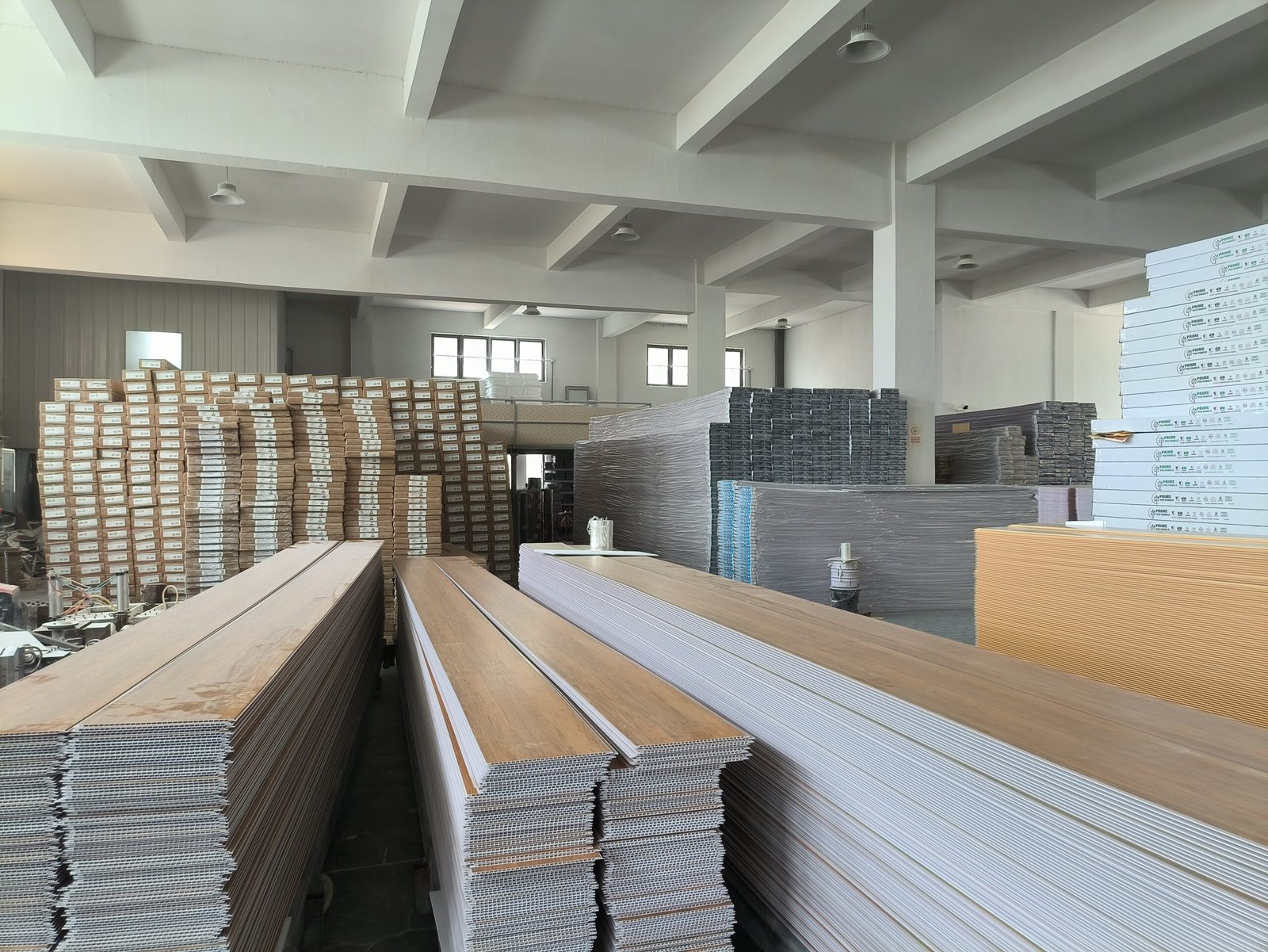
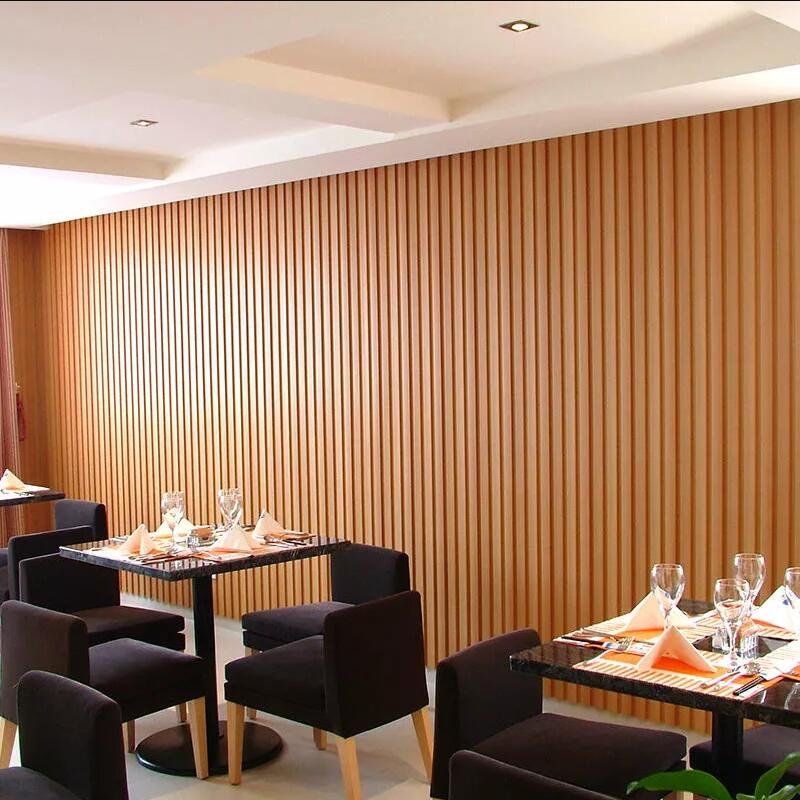
WPC panels are available in a range of lengths, typically from 8 to 14 feet. Selecting the optimal size involves both practical and aesthetic considerations.
A. standard Sizes and Custom Options
Most manufacturers offer panels in 8 ft, 10 ft, 12 ft, and 14 ft lengths. Custom sizes are also available for large-scale or non-standard projects.
B. How to Choose
- Ceiling Height: Use longer panels in rooms with high ceilings to reduce visible seams.
- Visual Flow: Longer panels create a modern, streamlined appearance.
- Ease of Installation: Longer panels may require more hands during installation but can speed up the process.
C. Consult Your Supplier
Always discuss project specifics with your WPC wallboard supplier. They can advise on optimal lengths, waste reduction, and design coherence.
How to Layout WPC Wallboard like a Pro
A well-planned layout is the difference between an amateur and a professional finish.
A. Start from the Center
Locate the center of your wall and plan panel alignment from there. This ensures symmetry, especially around windows, doors, and fixtures.
B. Dry-Fit Before You Commit
Lay out panels without adhesive or fasteners to visualize the final result. Adjust as needed to avoid awkward cuts or misaligned patterns.
C. Account for Features
Integrate electrical outlets, light switches, and décor elements into your layout. Use trim pieces for a polished transition around obstacles.
Designing Your Space with WPC Wallboard
WPC wallboard represents where modern design is headed: sustainable, versatile, and visually compelling. By considering factors such as spacing, application environment, material differences, panel size, and layout strategy, you can achieve a flawless finish—whether indoors or out.
Embrace the blend of nature and innovation. With WPC wallboard, you’re not just installing panels—you’re crafting an experience.


 903 Yuntong Building, 3285 Shengxin Road, Shanghai, China